
Introduction — A Shop Floor Scene, Some Numbers, One Question
I was knee-deep in a retrofit last month, watching a print operator squint through haze while calibrating a head unit — relatable, right? In that same bay we were testing fume extraction products and logging readings: the VOC spike hit 220 ppb during a single cure cycle, and average airflow velocity dropped by 18% over three hours. (Yes, those numbers matter.)
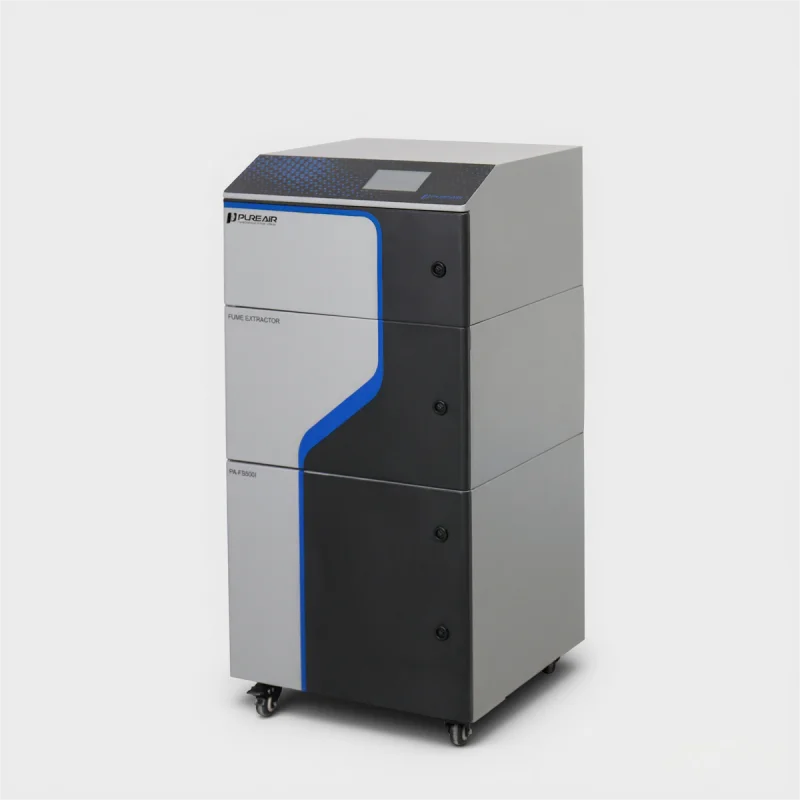
That little scene sums up a big problem: modern shops mix fast equipment with fragile air control. I’ve seen labs run UV ink printers next to aging ductwork and expect clean output — it doesn’t happen by accident. So what actually fixes this? How do we balance extraction capacity, filter life, and real operator comfort without breaking the bank? — onward to the nuts and bolts.
Part 2 — Why Old Fixes Fail: The Hard Truth About UV Curing and Extraction
UV curing systems pump out concentrated emissions during short bursts. Technically, the peak load matters more than the average load. Look, it’s simpler than you think: you can size a fan for steady-state operations and still fail at controlling peaks. I’ll break down the main flaws I keep seeing.
Why don’t traditional systems cope?
First, many setups rely on undersized fan motors and old ductwork. Those fans hit thermal limits and sputter when velocity must climb. Second, filter strategies are often reactive: operators wait for smell or visible haze before swapping HEPA filters or activated carbon cartridges. That’s backwards — by then the VOC sensors have already tripped alarms and productivity stalls. Third, modular processes like UV curing create transient loads that electrostatic precipitators or static collectors can’t handle well. Fans, filters, ductwork — they’re all part of a single chain. If one link is weak, performance collapses.
From my hands-on work, the most common user pain points are simple but brutal: noisy extraction that operators chase, high filter costs with unpredictable lifetime, and mismatched control logic that doesn’t talk to the printer or sensor arrays. I’ve seen teams add an inline scrubber without checking airflow balance — and the system made the environment worse. — funny how that works, right? We need smarter controls, not bigger boxes.
Part 3 — Moving Forward: Principles for Smarter Extraction Around UV Curing
What’s Next: start with principles, not panic buys. Modern fume solutions should pair real-time sensing with adaptive control. That means VOC sensors and airflow velocity monitors feed a controller that ramps fan speed and opens bypass dampers in milliseconds. I’m talking closed-loop logic that treats each UV curing pulse as a transient event. When designers adopt variable-speed drives and demand-based control, fan energy and filter wear drop substantially.
New tech also favors modular filtration stages — primary particle capture, HEPA filtration, then targeted activated carbon for VOCs — so maintenance is predictable. Integration with the printer’s job scheduler helps too: the extractor can pre-boost airflow ahead of a heavy cure job and coast down after. This reduces peak stress on fan motors and extends filter life. In practice, that leads to measurable uptime gains and more consistent print quality — but you have to test it in your space (no one-size-fits-all). Wait, that’s not all: smart dashboards give operators clear alarms and simple runbooks. Less mystery. Less finger-pointing.
How to evaluate new systems?
Here are three key metrics I use when advising teams:
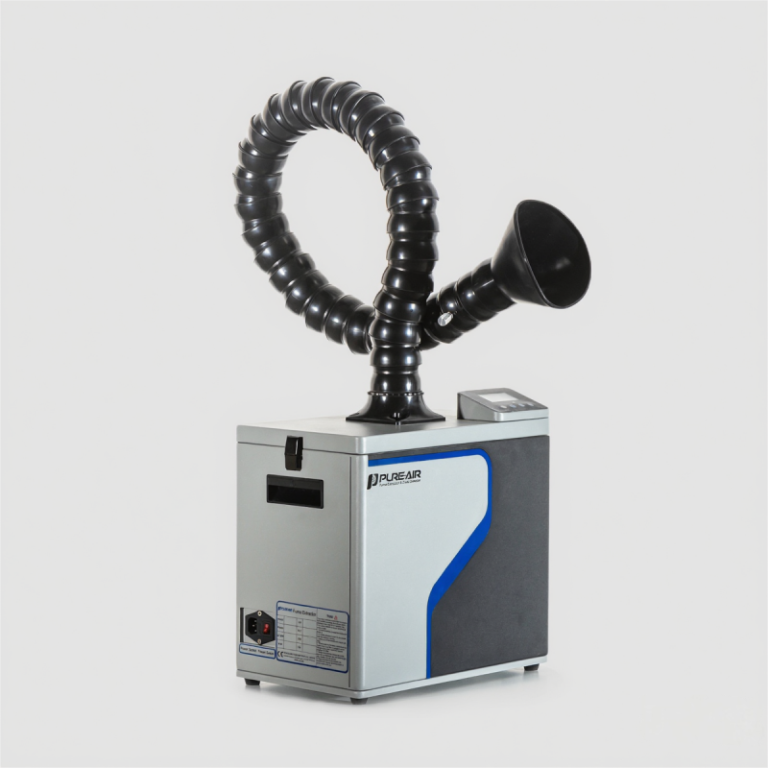
1) Dynamic capture ratio — does the extractor handle transient peaks during a UV curing pulse? 2) Effective filter service interval — can you predict when HEPA or activated carbon needs replacing based on real use, not a calendar? 3) System integration score — does the controller share data with printers, VOC sensors, and building management? Measure these and you’ll see choices that actually save time and money. I’ve recommended systems that cut downtime by 30% and halved unexpected filter expenses.
I’ll end with a plain opinion: invest in control logic more than raw horsepower. Mechanics matter, but intelligence matters more. We want quiet, efficient, and predictable extraction — and yes, you can get there without drama. For practical products and integration guidance, check out resources from trusted providers like PURE-AIR.