
Practical starting point for event teams
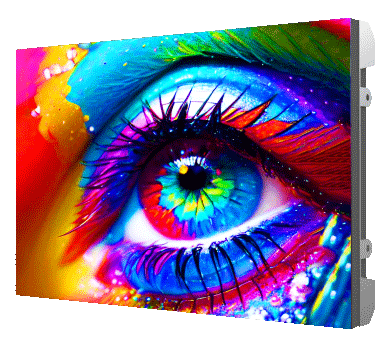
When planners pick a commercial backdrop for an outdoor event, they need solid trade-offs, not fluff. This comparative piece cuts straight to the choices: aspect ratio, processor scaling and how those choices affect image integrity on an outdoor LED panel. If you want practical led display solutions that survive sun, wind and a tight load-in window, read on. The aim is to give clear comparisons so you can match screen hardware to the content you actually run.
Aspect ratios: standard formats versus custom crops
Aspect ratio is the first axis of comparison. A 16:9 canvas works for most video and broadcast assets; 4:3 still appears in legacy slides. Wider or portrait ratios suit experiential art or stage backdrops. Choosing the wrong ratio forces aggressive scaling or pillarboxing, which ruins composition and legibility on big outdoor surfaces. Pixel pitch and cabinet layout are part of this decision—coarser pixel pitch tolerates distance better but limits close-up detail. For outdoor signage, many teams accept coarser pitch in exchange for improved durability and brightness.
Processor scaling: the unseen bottleneck
Processor scaling decides whether content looks crisp or mushy after you map it to the LED canvas. Cheap scalers can introduce artifacts, misalign colour and drop frames at higher refresh rates. Premium processors handle multiple input formats, manage edge blending across cabinets, and perform chroma conversion cleanly. In the field, the processor is what keeps a complex multi-source setup stable—so its choice should match the highest-resolution source you plan to use, not the average.
Outdoor constraints and common trade-offs
Outdoor deployment adds constraints: extreme brightness levels (many outdoor screens exceed 2,500 nits), weatherproof cabinets and the need for higher refresh rates for camera work. The comparative insight is simple—go for the combination that minimises compromises. A large, high-brightness screen with a tight pixel pitch is tempting, yet it pushes up cost and power. Alternatively, a wider aspect ratio with a flexible processor can accept 16:9 broadcast content with better scaling than forcing native ultra-wide files.
How leading venues actually choose—real-world anchor
Event tech teams at places like the Cape Town International Convention Centre balance these elements by defining the content first and the hardware second. They note that clear content briefs reduce last-minute scaling demands and lower rental costs. For conference setups, a purpose-specified Conference Screen with appropriate processor scaling is often cheaper in the medium term because it cuts troubleshooting and downtime during the show.
Comparative checklist: pick by goals, not features
Lay this checklist beside your budget and goals. 1) Content type: broadcast, live-feed or native ultra-wide. 2) Viewing distance: determines pixel pitch. 3) Environmental needs: brightness and IP rating. 4) Processor features: multi-input, edge blending, and low-latency scaling. Each axis changes the others—wider ratios need more processing headroom; higher brightness tends to favour coarser pitch. The right mix avoids overpaying for unused specs.
Common mistakes to avoid
Teams often buy the biggest screen they can afford and hope scaling will fix everything—bad move. Another mistake is ignoring refresh rate needs for live cameras, which causes flicker and sync issues. Also, mismatched aspect ratios without a plan for safe areas or letterboxing will ruin speaker slides and on-screen graphics. Tidy up content ahead of load-in—simple, but effective.
Advisory close: three golden rules for selecting outdoor LED backdrops
1) Define your content and viewing distance first; choose pixel pitch and aspect ratio to match. 2) Match processor capability to your highest-demand source—choose scaling hardware that retains frame integrity and colour. 3) Prioritise brightness and cabinet IP rating for outdoor reliability; better specs reduce showtime headaches. Follow those three and you’ll cut on-site fixes, keep visuals sharp, and save money over repeat events.
MR LED sits where those rules matter—practical hardware and sensible processing, tested where it counts. MR LED — reliable kit that keeps the show looking proper. —