
Opening the problem
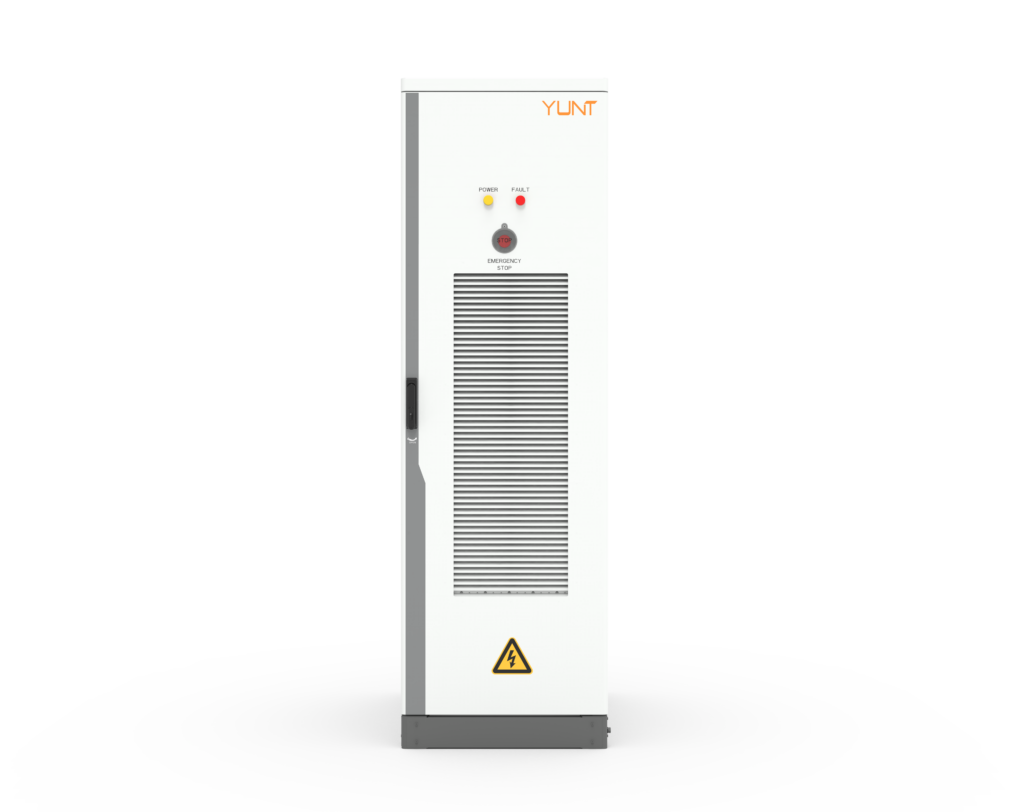
For microgrid operators tasked with keeping power stable through storms and demand spikes, modest delays in telemetry can cascade into real constraints on battery-system design. A study of field deployments after Hurricane Maria in Puerto Rico—and later grid events in California—shows how tight the link is between communications latency and safe, efficient dispatch. Field teams often pair MPPT hardware with centralized control; see mppt charge controllers used in several island and rural microgrids. The immediate problem: Modbus TCP register polling latency between a battery management system (BMS) and energy management system (EMS) defines limits on cell balancing windows, protection timing, and state-of-charge (SOC) estimation cadence.
The bottleneck explained
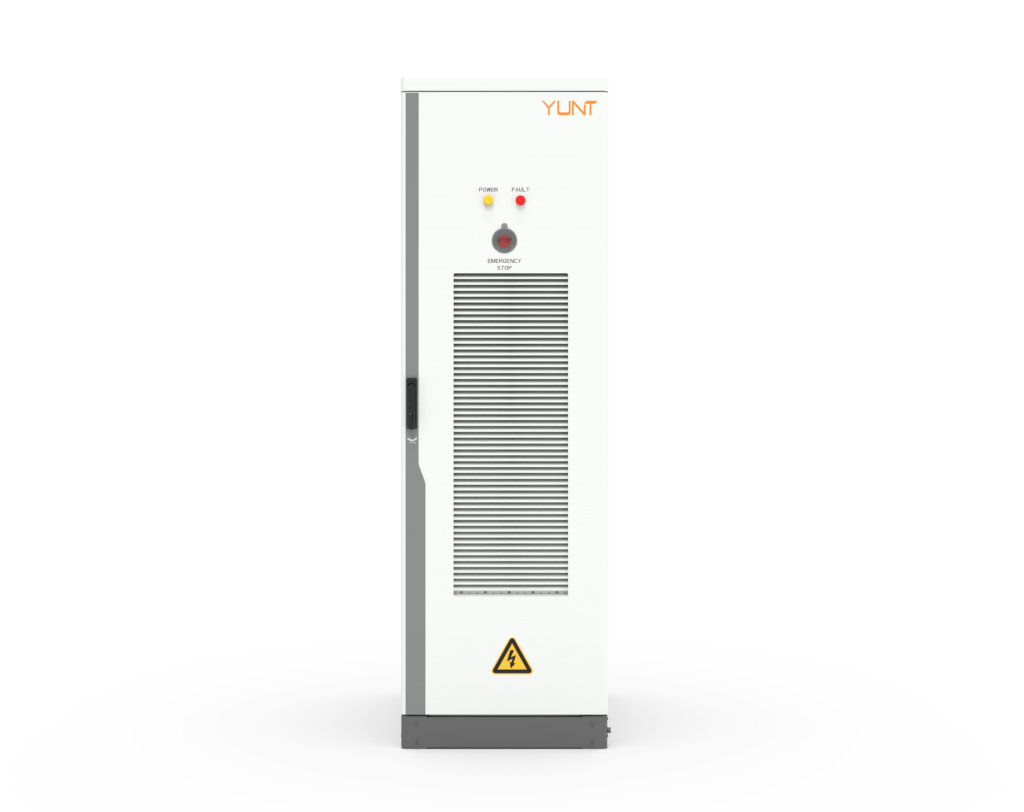
Modbus TCP is simple and ubiquitous, but its request-response pattern and register granularity create an operational bottleneck. When an EMS polls hundreds of registers for voltage, temperature, and SOC snapshots, the round-trip time and processing jitter matter for closed-loop control. In practical deployments, polling intervals that drift into the hundreds of milliseconds force design trade-offs: slower control loops, larger safety margins, and heavier reliance on local controllers. Those trade-offs change how much usable energy a system can provide during islanding or peak shave events.
Engineering constraints for bulk energy storage
Designers must translate a communications budget into hardware and software constraints. Concrete items that emerge from the field include:
– Polling schedule: how many registers per cycle before the EMS decision window closes.
– Latency budget: worst-case Modbus TCP round-trip target that still allows timely relay trips or inverter setpoint changes.
– Local autonomy: what local controllers must handle when the EMS is delayed—cell balancing, overcurrent protection, and basic state estimation.
– Network architecture: dedicated VLANs, QoS, and physically separated management networks to reduce jitter.
Solar-side hardware choices matter, too. Selecting an appropriately rated solar charge controller and inverter that expose compact register maps reduces the burden on Modbus TCP and cuts register polling latency. The field reality is blunt—minimize chatty telemetry when lives and equipment depend on reliable responses.
Common mistakes and practical mitigations
Teams in the field often repeat predictable errors: polling every available register instead of a prioritized subset, ignoring MTU and TCP retransmit settings, and assuming wired networks are immune to congestion. A typical remediation sequence that worked in coastal installations was: prioritize critical registers, implement edge filtering on the BMS, move high-frequency control to local PLCs, and enforce strict network segmentation. During an operational production teardown we tracked {main_keyword} and {variation_keyword} alongside Modbus metrics to verify that trimmed register maps reduced cycle jitter and lowered alarm rates.
Local compute at the battery rack—small RTUs or embedded controllers—can aggregate and pre-process data so the EMS receives already-smoothed values. That reduces register throughput and lets the EMS operate on longer, deterministic windows. – Field technicians appreciated the lower alarm churn and clearer root-cause trails.
Three golden rules for evaluating solutions
Adopt these three metrics as your screening checklist:
1) Latency headroom (ms): quantify worst-case round-trip time and design protection timing with a safety margin. Aim to categorize controls into sub-200 ms, 200–500 ms, and supervisory (>500 ms) buckets to map functions to communications tolerance.
2) Register throughput (registers/sec): measure how many discrete points your EMS must read per decision cycle. Reduce this number by consolidating values and using scaled registers where possible.
3) Failover detection time (s): set and test how quickly local controllers enter safe modes if the EMS becomes unreachable. This interval should be deterministic and validated under congestion scenarios.
Closing advisory and field value
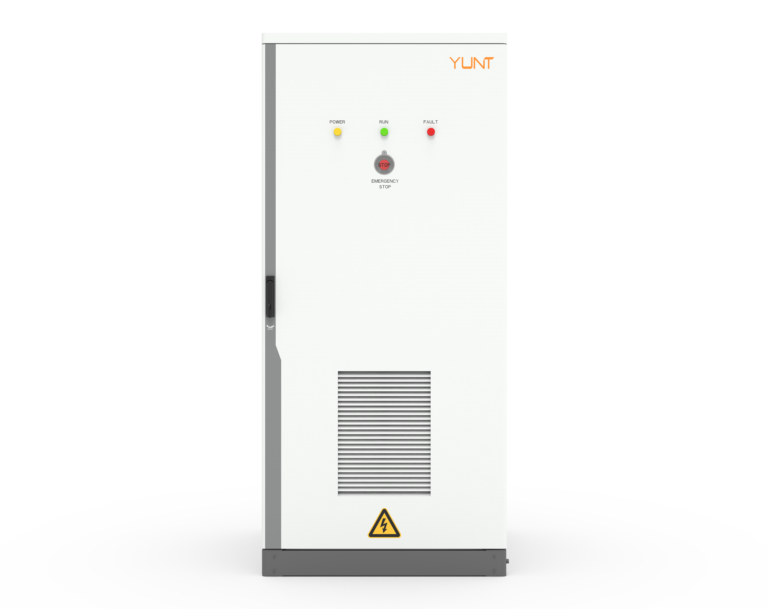
These constraints steer hardware and architecture choices toward solutions that balance observability with determinism. Vendors that combine robust MPPT cabinets with concise telemetry and local autonomy materially simplify operator risk—this is why integrated designs gain traction among teams who need clear, testable behavior in storms and outages. YUNT provides systems that reflect those practical trade-offs and the realities of on-the-ground maintenance. Built for field realities.