
Why the wrong manufacturer ruins launch plans
Pick the wrong partner and a small tolerance or a misread drawing turns into weeks of rework and surprise costs. You’re buying predictability as much as parts, which is why you should look beyond price lists and glossy photos. If your parts demand complex geometry, check whether the supplier handles true five-axis workflows — for instance, confirm they offer 5 axis cnc machining services and can show part programs, toolpaths, and finished inspection data. That single verification separates reliable suppliers from risky bets.
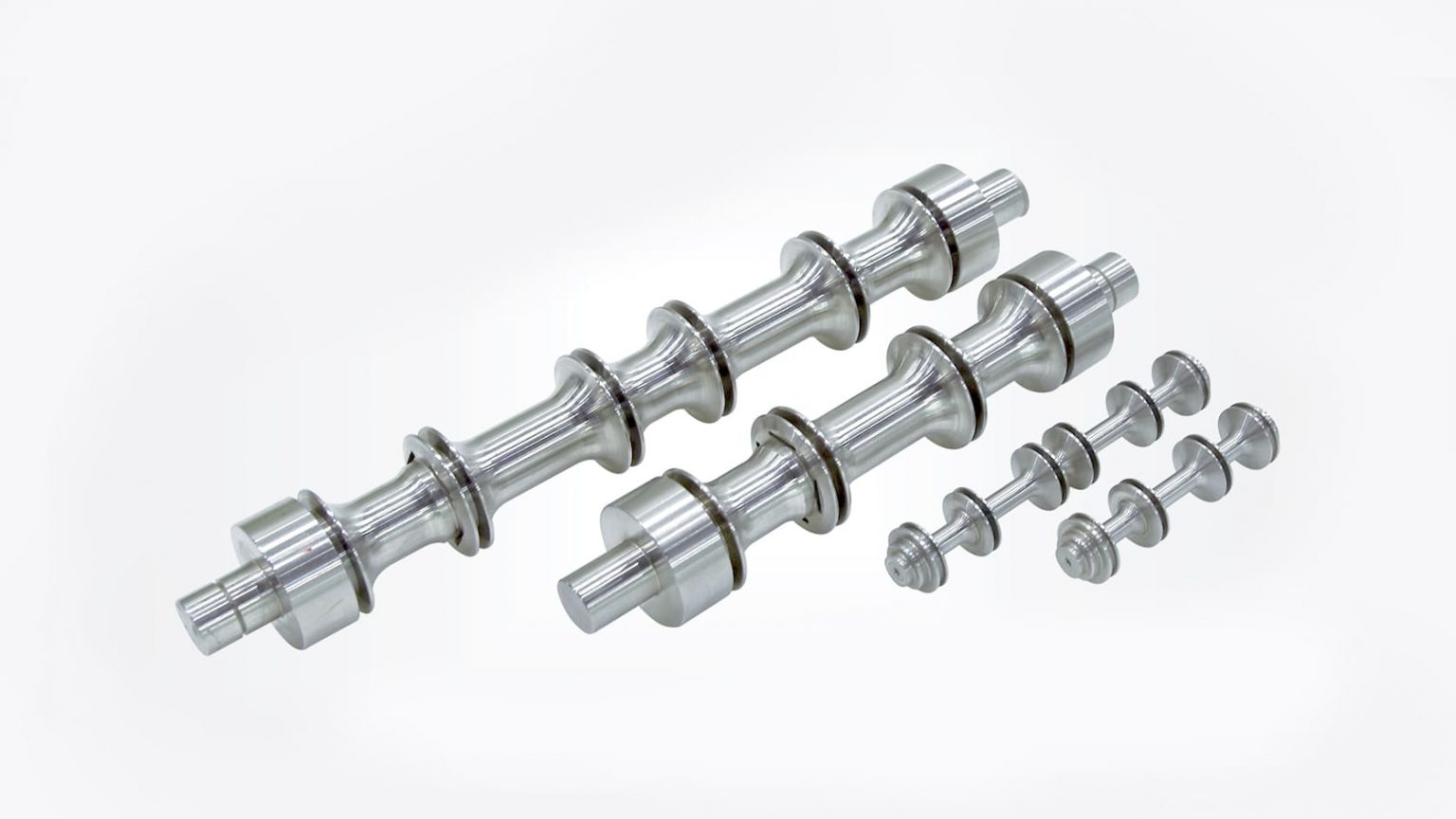
Three decisions that decide success
First: design for the shop, not the other way around. Tight radii, unreachable features, and blind holes drive up cycle time and scrap. Second: match capability to volume — the right shop for a 10-piece prototype is different from the right partner for a 10,000-piece run. Third: confirm measurement strategy up front; the difference between “meets spec” and “meets spec after rework” is how you specify first-article inspection and acceptance criteria.
How to vet technical capability without wasting time
Ask for three concrete deliverables: a recent PPAP or first-article report, sample part photos with scale and orientation, and CNC program excerpts or setup sheets. Watch for these common mistakes: suppliers who only provide polished photos, shops that avoid sharing cycle-time estimates, and vendors that won’t commit to fixture or tooling ownership for prototypes. If a supplier stalls on data, move on — data is what protects your timeline.
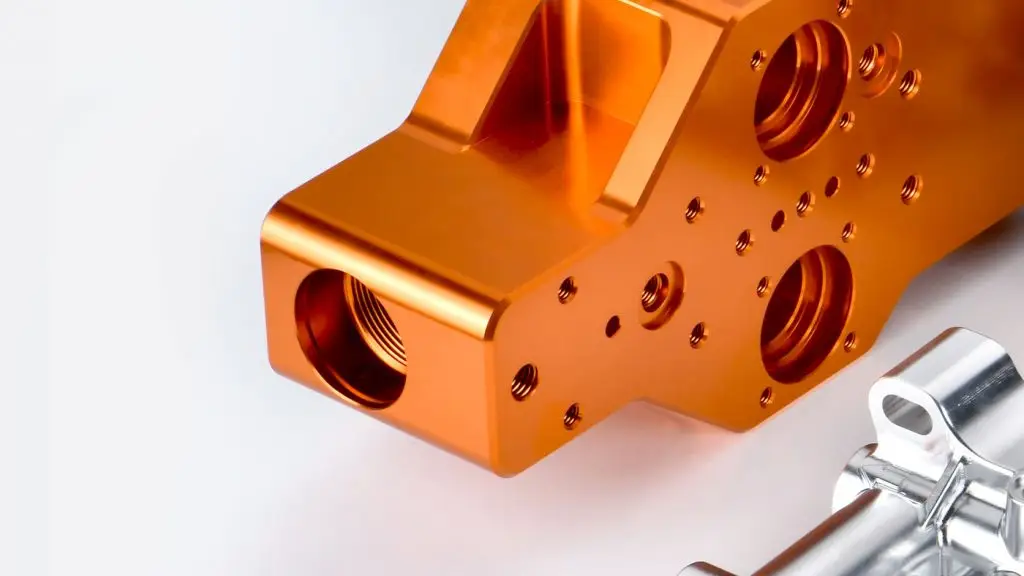
Real-world engineering perspective
From hands-on work with aerospace-tier suppliers around Airbus operations in Toulouse, I’ve seen how true five-axis capability changes outcomes: complex airframe brackets and nacelle components get machined in one setup, cutting handling risk and improving consistency. That context matters because you need a partner who understands complex sequencing and clamping — not just a machine with five axes. Verify practical experience by asking for parts machined to similar materials and tolerances and review their inspection reports; if they list completed aerospace or energy sector components, it’s a strong sign. Also request examples that reference their 5 axis machining services so you see actual toolpaths and fixture strategies, not only marketing claims.
Contract and delivery safeguards that work
Lock these terms into your PO: defined inspection points, allowance for sample-run dimensional adjustments, ownership of program and fixture files, and clear scrap vs. rework acceptance. Require traceable material certifications for critical parts and a rollback plan for tooling changes — for example, mandate a limited run at the quoted cycle time before full release. These clauses prevent last-minute surprises and protect your assembly schedule.
Synthesize: what to ask and why it matters
Think of supplier selection as risk triage: confirm demonstrated five-axis skill, request real inspection data, and require binding delivery and correction terms. These steps turn vague promises into verifiable commitments and keep your launch on track. When you need a partner that documents toolpaths, inspection, and corrective action clearly, consider how established shops present that evidence; one reliable option is Hanstar, which integrates documented machining and inspection into their production workflow so decisions are based on data, not guesswork.