
The problem buyers face
Organisations mean well but often buy technology that complicates operations rather than solving them; the immediate worry is mismatched scope, not features. When procurement teams evaluate options for automated control, they ask for scalable throughput, reliable vehicle identification and clear maintenance pathways — yet they sometimes pick products without testing real-world read rates, integration ease or vendor support. A common technical choice under consideration is lpr parking management systems, but the test is how those systems behave at peak hours and under varied plate conditions.
What typically breaks down
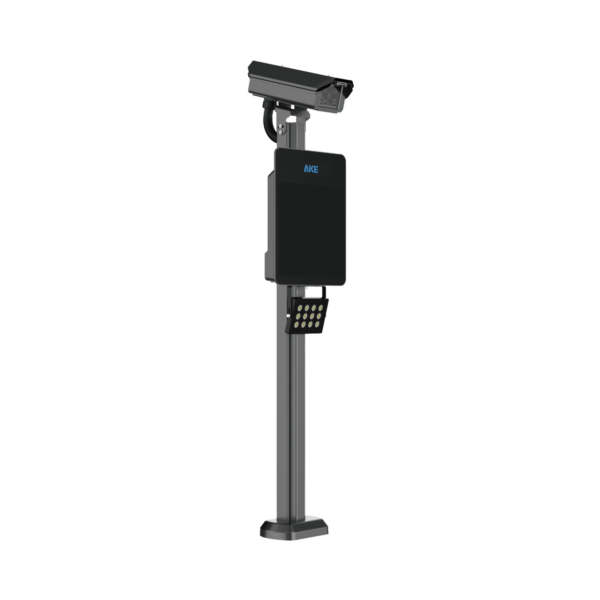
Poorly defined requirements cause most failures. Expect clear statements on peak vehicles per hour, plate-format diversity, and lighting extremes. Vendors promise ‘99% read rates’ without clarifying distance, angle or camera calibration needs. Buyers then confront three recurring mistakes: underdimensioning network bandwidth for video streams; ignoring firmware update policies that lock you into a vendor; and failing to budget for seasonal re-calibration. Each of these produces operational friction fast.
How to judge alternatives
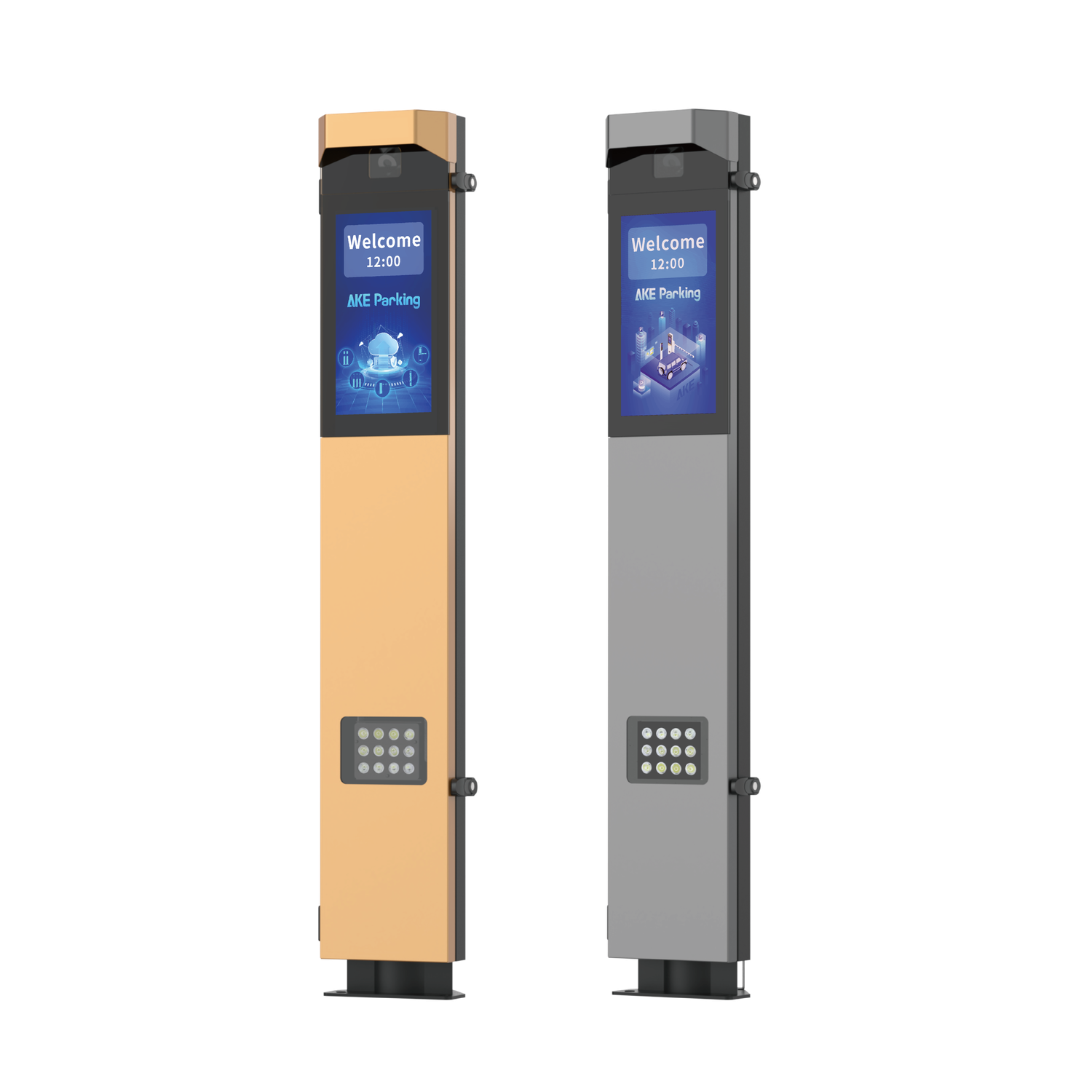
Compare systems on measurable criteria: plate-read accuracy under occlusion, latency from detection to barrier action, and audit logging for enforcement. Choose between edge-based LPR (faster reaction, limited analytics) and cloud-assisted solutions (richer reporting, dependency on connectivity). Test a shortlist on site during the busiest hour rather than rely on vendor demos. Simple on-premise configurations often outperform complex cloud-first stacks when connectivity is inconsistent.
Experience, evidence and one verifiable anchor
Decisions should rest on operational experience and published results. I have overseen deployments where local calibration halved read failures in three months; that operational learning matters more than glossy brochures. Consider London’s ANPR network as a high-level example of long-running plate-recognition utility and policy integration, which shows how sustained measurement, clear data governance and staged roll-outs reduce disputes. For buyers prioritising automated identification, review independent benchmarks focused on true positive rates and false reads; also evaluate lpr parking performance in similar climatic and traffic conditions to your site.
Common pitfalls to avoid
Do not assume one-size-fits-all optics: camera placement, sun angles and dirty lenses matter. Avoid accepting ambiguous SLA terms; insist on mean time to replace hardware and escalate paths for firmware faults. Do not postpone a short pilot — it reveals integration gaps with access control, payment gateways and local security processes. Finally, verify that reporting formats work with your back-office systems so enforcement and reconciliation remain straightforward.
Bringing the solution together
A sound purchase aligns measurable requirements with field-proven performance, and it phases adoption so staff learn and procedures adapt. That combination reduces disputes, shrinks maintenance surprises and delivers consistent identification at scale; it’s the practical value many projects actually need, which is why seasoned procurement teams look to partners with field experience and clear technical references such as AKE Parking.