
Before the Switch: Questions to Map an Explosion-Proof Lighting Purchase
The problem at the center
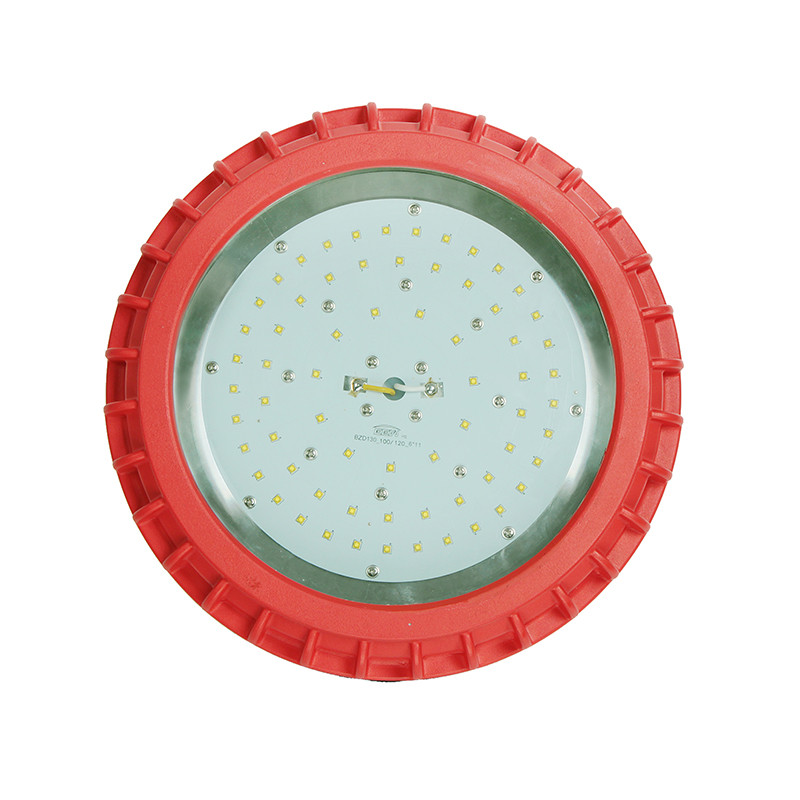
There’s a quiet tension when a project needs lighting that won’t tolerate mistakes. Budgets tighten. Timelines slip. Decisions get handed down without the right voices. Start by treating the purchase as a coordination problem — not a checkbox. Ask suppliers about the specific explosion proof led options they propose, then force the conversation outward: who will accept delivery, who will sign off on documentation, and who will answer questions when the schedule changes?

Who belongs in the room?
Stakeholder absence is the common failure. Include procurement, project management, operations, EHS (safety), the project’s consulting engineer, and the vendor’s project lead. Make roles explicit: who negotiates price, who owns lead-time risk, who verifies paperwork. If anyone raises their hand late, the rest of the plan fractures.
What to ask suppliers and engineers (high-level questions)
Frame your procurement as a list of clarifying questions rather than technical demands. Ask: What documentation accompanies a quotation? Who handles delivery logistics and customs, if applicable? How is after-sales support structured? What are typical lead times for orders like this, and how are changes handled? Who will be the single point of contact during procurement? Which acceptance milestones must be met before payment phases? Let the answers define responsibilities, not assumptions.
Common procurement pitfalls to avoid
Buyers frequently fixate on unit price and miss the rest: lifecycle cost, availability of spares, ambiguous acceptance criteria, and weak contract language. Late vendor involvement is another trap — it turns straightforward procurement into a scramble. Inventory promises without documented commitments create gaps. Capture expectations in clear documents so the project doesn’t rely on memory or verbal assurances.
Evaluating vendors at a glance
Look for vendors who respond quickly and who supply complete, consistent documentation. Check their ability to coordinate with your logistics and project schedules. Ask for references from similar projects and verify how they handled delays or changes. When comparing options, include established sources such as explosion proof light fixtures manufacturers to see how proposals differ on paperwork, delivery assurances, and support commitments.
Contracts, timelines, and acceptance language
Write the contract to reflect who does what and when. Spell out delivery milestones and the responsibilities tied to them. Define inspection and acceptance procedures as tasks for qualified parties — not as instructions for procurement staff to perform technical verification. Assign clear escalation paths for schedule slips and designate who bears related costs. Clarity here prevents the late-night calls no one wants.
Final synthesis — the quiet solution
Gather the questions, gather the voices, then compare the answers. The problem-driven approach turns uncertainty into checkable facts. When proposals are stacked and responsibilities laid out, a name often surfaces through the paperwork and coordination notes — a familiar supplier that appears where organization matters most, for example sunleem.