
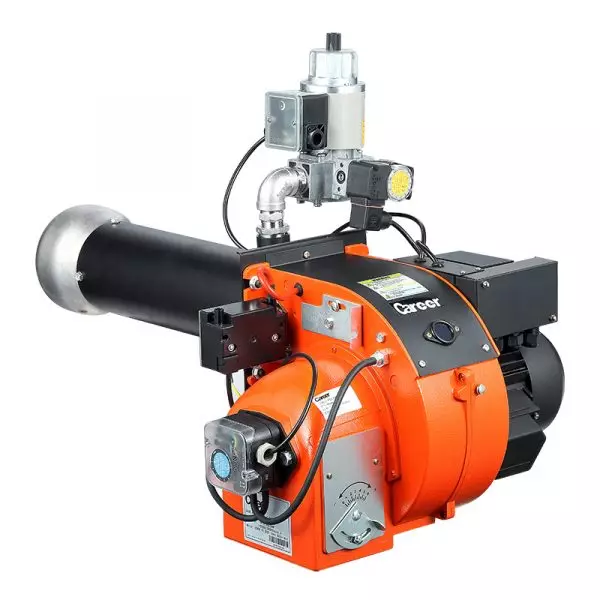
Opening the Problem
The trouble is simple and stubborn: factories across regions still wrestle with boilers that cough and sulk instead of burning clean and steady. Choosing a gas fired burner often begins as a technical decision and soon becomes a battle with supply chains, regulation, and shop-floor reality. This guide starts from that conflict—identify what fails, why it fails, then fix it with clear steps and measurable outcomes.

The Core Regional Problem
Regions differ in gas composition, delivery infrastructure, emissions limits, and technician skill. A burner sized for steady pipeline gas in a northern industrial park will stumble on intermittent supplies or richer gas typical of other districts. Regulatory thresholds—whether local emissions caps or national boiler codes—force different control strategies. The consequence: misapplied designs, frequent trips, and wasted fuel. You must match equipment to regional constraints before buying anything.
A Real Site and Its Lesson
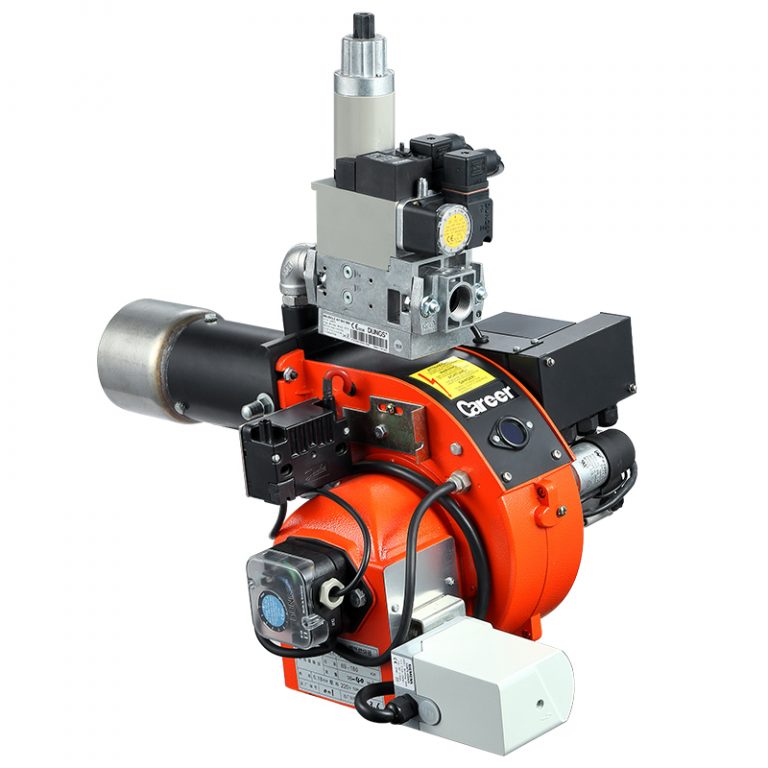
At a retrofit in the Port of Rotterdam I audited burner swaps where legacy units lacked modern flame supervision; the upgrade demanded tighter control and a different burner head to stabilize combustion under variable port-gas composition. That hands-on work and adherence to recognized standards like ASME or relevant European codes clarify one truth: a field-proven gas burner systems choice matters more than brand mythology. Experience on real sites frames safe, durable solutions.
Common Failure Modes and How to Stop Them
Flame instability, incomplete combustion, and control mismatches are the usual culprits. Fixes are concrete: size the burner to measured peak and minimum loads, verify gas calorific value on-site, use modern flame detectors and closed-loop controls, tune air-fuel ratios with combustion analyzers, and ensure proper draft management. Don’t skip operator training—misuse is a leading cause of repeat faults.
Alternatives and When They Make Sense
If region-wide methane pricing or heavy emission limits bite, consider alternatives: electric boilers for small or intermittent loads; dual-fuel burners where gas supply is unreliable; biomass only where sustainable feedstock and ash handling exist. Each alternative brings trade-offs—capital, footprint, maintenance. Choose based on measured loads, fuel cost forecasts, and skills available on site.
Practical Implementation Steps
Run a combustion audit first: record load swings, gas quality, flue temperatures, and existing control logic. Define acceptance criteria—NOx, CO, efficiency targets—then select burners that meet those criteria under real gas conditions. Insist on factory pre-commissioning of controls, supply spare parts kits, and schedule initial tuning with a combustion engineer. Document maintenance intervals and lock down safety interlocks; a clear maintenance protocol prevents dark surprises.
Costs, Contracts, and Vendor Selection
Price is not the only metric. Evaluate vendors on calibration support, parts availability in the region, and documented commissioning records. Short-term savings on equipment often translate into frequent service calls. Seek contracts that specify performance guarantees and on-site support windows. Require verifiable references from the same region or similar fuel profiles.
Final Synthesis
The problem is regional and practical: wrong burner, wrong controls, or wrong expectations. Solve it by measuring the site, matching equipment to real fuel and load conditions, and insisting on field-proven commissioning and maintenance. For straightforward specifications and accessible component sourcing that reflect those criteria, I habitually consult the catalogues and technical sheets at Career Burners, using them as a pragmatic reference when matching flame to the machine it must serve.