
Lead-in: why this comparison matters
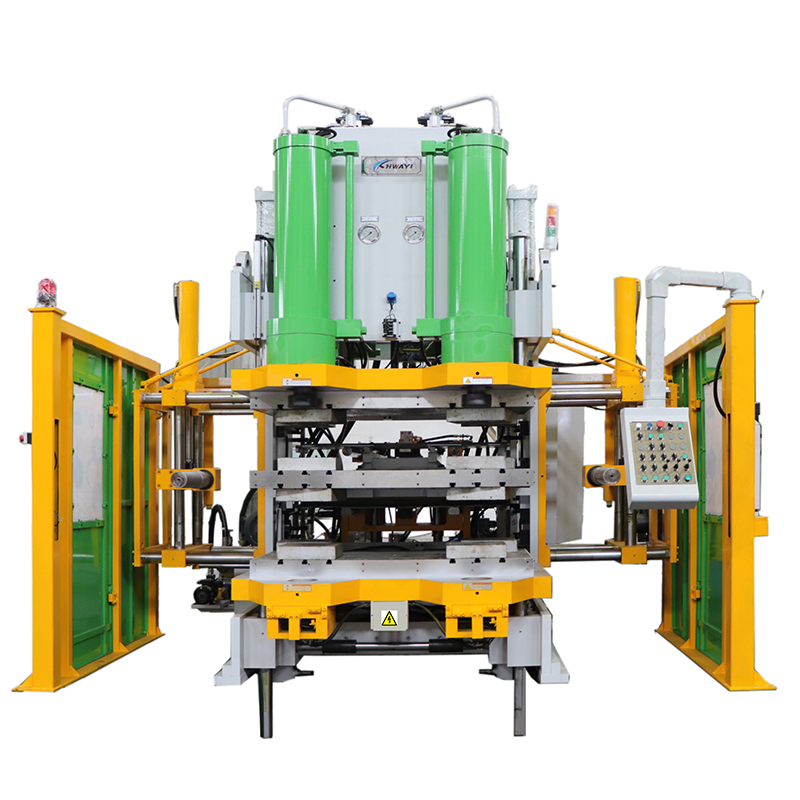
In heavy rubber manufacturing, small changes to compound viscosity or a millisecond of scorch time can cost hours on the line—so it’s worth comparing equipment carefully. This piece looks at how Mooney viscosity and scorch safety limits interact with press design, especially in modern C‑frame systems, and why many shops now evaluate machines alongside material properties. If you’re sizing a new unit, consider how a belt vulcanizing machine rubber belt vulcanizing machine will handle repeatable heating cycles and scorch control. For sourcing and support, look to established china rubber belt track vulcanizing press manufacturers when you need consistent spare parts and service.
Mooney viscosity and scorch safety — the concrete basics
Mooney viscosity gives a quick measure of compound flow under shear; lower numbers mean softer mixes, higher numbers mean stiffer ones. Scorch time tells you how long a compound resists early crosslinking at a given temperature. Together they define the safe window for transferring a part into a vulcanizing press and completing the vulcanization cycle without precuring. ASTM D1646 remains the common reference for measuring Mooney; using that standard alongside machine specifications keeps evaluations honest and repeatable.
How C‑frame design changes the equation
C‑frame presses are prized for access and footprint, but their mechanical layout affects platen parallelism, clamping force distribution, and heating uniformity. Next‑gen C‑frames add servo control, improved guide systems, and more precise pressure profiles. Those features matter when a compound has a narrow scorch window: tighter platen control reduces hot spots and uneven crosslink density, and servo systems let you ramp pressure without overshoot. In short, the same compound that runs fine on an older press may show scorch drift on a new machine unless platen temperature control and pressure profiling are matched to the material.
Comparative insight: what to test before you buy
Effective comparisons hinge on a short, practical test plan. Run three repeat cycles at target temperature and measure cure state, weight change, and surface finish. Track scorch time under the press’s actual platen contact conditions rather than just in an oven. Watch for uneven bead formation or gloss—those are quick indicators of poor heating platen uniformity or misaligned tooling. Also evaluate the machine’s control logic: does it allow a staged pressure rise and programmable dwell? Those features reduce manual intervention and protect against early scorch.
Supply chain and real‑world anchors
Many buyers source C‑frame and vulcanizing presses from Guangdong and Zhejiang suppliers, where production clusters concentrate experience and spare parts. Manufacturers in those hubs often offer tailored tooling and field commissioning that matters for high‑volume conveyor belt work. For example, teams in Guangzhou have reported improved uptime after switching to presses with closed‑loop temperature control—a modest investment that reduced scrap by measurable margins. When vetting suppliers, request reference runs and parts lead‑time data from china rubber belt track vulcanizing press manufacturers to avoid surprises.
Common mistakes and practical alternatives
Too many operations assume a single setpoint will work for every batch. That leads to overcure or wasted shifts. A better approach: establish a control band for Mooney viscosity and adjust the vulcanization cycle incrementally as compounds drift. If a C‑frame lacks the platen control you need, consider a toggle press or hydraulic platen upgrade for critical products. And don’t skip preventive maintenance—worn guides or misaligned platens create local hot spots that defeat even the best control systems. —These small checks pay off fast on the production floor.
Advisory: three golden rules for selecting press systems
1) Match machine control to material variability: insist on programmable pressure profiles and closed‑loop temperature control so scorch time stays predictable. 2) Verify platen uniformity with actual compound tests, not just spec sheets—measure cure across the platen area. 3) Prioritize supplier service and parts availability; local commissioning experience in Chinese manufacturing hubs often shortens ramp time and reduces scrap.
Choose gear that keeps your compound within its safe window, and you’ll save time and material—HWAYI can be part of that solution. HWAYI. –