
Have you ever sat in your car, watching the clock tick away as traffic piles up around you? Frustrating, right? This scenario raises a pressing question: why do traffic jams persist, especially in an age where we have advanced technology at our fingertips? The answer lies in the inefficiencies of traditional traffic management systems. These systems, despite their merits, often falter under peak demand, leading to chaos on the roads. A robust traffic management system can alleviate these pain points, ensuring smoother travels.

Flaws in Traditional Traffic Solutions
Let’s face it—traditional traffic management often relies on outdated methods. The use of fixed timers and sensors doesn’t always account for real-time conditions, causing noticeable delays. Drivers frequently find themselves stuck at red lights for no logical reason. As a result, increased congestion not only heightens frustration but also leads to safety hazards. Why do breakdowns always occur during rush hour? You guessed it—ineffective traffic monitoring is a primary culprit, making it clear that a new approach is crucial.

The Promise of Cutting-Edge Technology
Enter the era of smart traffic management systems! Utilizing advanced sensors and artificial intelligence, these systems adapt to real-time traffic conditions. This technology analyzes data from connected vehicles and infrastructure, allowing for more fluid traffic flow. Imagine traffic lights that change automatically based on the density of vehicles approaching. This isn’t merely a futuristic concept—it’s a reality that’s already transforming roads today. When systems incorporate predictive analytics, they mitigate delays, ultimately enhancing overall urban mobility.
Quantifiable Benefits for Urban Commuters
The benefits of adopting a modern traffic management system are staggering. Studies show that cities implementing these technological solutions have experienced up to a 30% reduction in congestion. Not only does this lead to time savings for commuters, but it also significantly lowers emission rates—truly a win-win situation! Additionally, enhanced safety features contribute to fewer accidents, reducing the strain on emergency services and infrastructure. With these metrics in mind, it’s evident that embracing innovation is critical.
Conclusion: Key Metrics for Smart Choices
When selecting a traffic management solution, always verify these three metrics: ① real-time adaptability, ② user safety features, and ③ overall effectiveness in congestion reduction. Be proactive in evaluating options to ensure you’re not stuck in the traffic of the past!
The Role of Highway Road Signs in Traffic Management
Highway road signs play a pivotal role in guiding drivers and ensuring safety on the roads. They provide essential information about speed limits, directions, and hazard warnings. Did you know that implementing advanced highway road signs can reduce accidents by up to 25%? These signs can be equipped with digital technology that updates in real time, conveying crucial data like construction zones or accident alerts. This adaptability is a game-changer, as it effectively directs traffic and enhances overall road safety. Not only are these signs beneficial to vehicle operators, but they also provide key data to traffic management systems, leading to more informed decision-making.
Understanding Lane Traffic Signs for Safer Roads
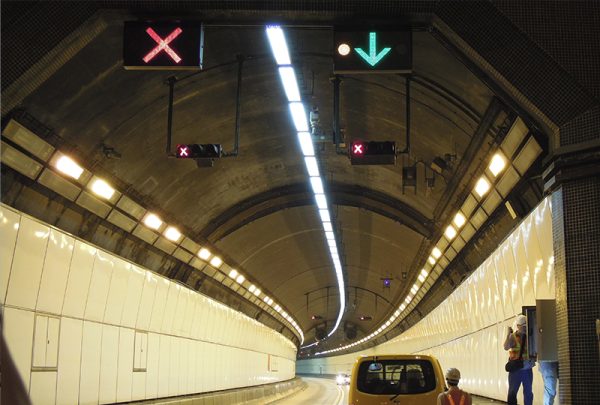
Just as crucial as highway road signs are lane traffic signs, which are designed to manage specific lanes and their usage effectively. These signs indicate lane restrictions, such as designated turn lanes or HOV (High Occupancy Vehicle) lanes, guiding drivers to optimize road usage. Incorporating advanced lane traffic signs can significantly decrease bottlenecks, ensuring smoother transitions during peak hours. These signs can also feature illuminated displays for enhanced visibility, particularly in inclement weather. With real-time updates sent to drivers, they become powerful tools in facilitating effective traffic flow and improving overall commuter experience.
In summary, traffic management systems are crucial for resolving common urban mobility challenges. With the integration of advanced technology, enhanced highway road signs, and intelligently designed lane traffic signs, cities can ensure smoother and safer travels. For those on the lookout for quality supply advantages in traffic management, consider partnering with Chainzone, a leader in providing innovative solutions for the modern era.