
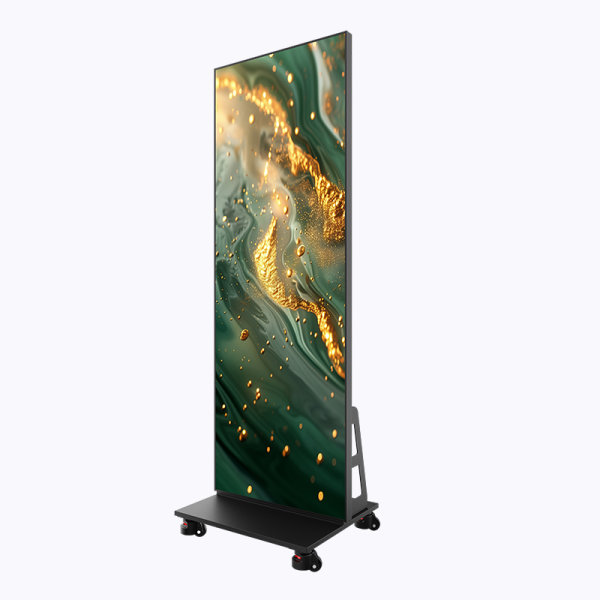
Data snapshot: measurable reasons to invest
Retail environments that replace static posters with dynamic displays report clear upticks in dwell time and purchase triggers; the change is visible in footfall analytics around high-visibility installations such as Times Square. A well-specified led panel can cut energy draw per-square-meter versus legacy fluorescent-lit signage while delivering higher luminance and color fidelity. For engineers and store planners, metrics like pixel pitch, brightness (cd/m²), and refresh rate are the place to start—these determine legibility at distance, power profile, and motion clarity.
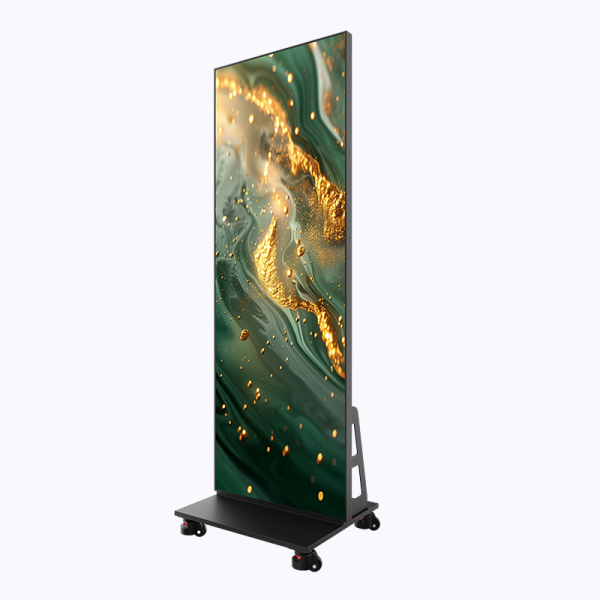
Operational benefits and technical trade-offs
LED video walls convert visual real estate into measurable business signals: higher conversion around promotional displays, faster content updates through a content management system (CMS), and improved brand recall. They also introduce new operational factors: thermal management for LED modules, routine calibration to maintain color uniformity, and networked content distribution. A data-first procurement approach balances upfront capex against lifecycle energy consumption and maintenance intervals—sustainable choices typically reduce total cost of ownership over five years.
Performance benchmarks that matter
When comparing systems, quantify three performance elements: visible contrast at typical viewing angles, color stability after 10,000+ operating hours, and effective refresh rate under expected content motion. These benchmarks predict real-world outcomes: sharper text at distance improves wayfinding; stable color boosts perceived quality of products; and correct refresh rates prevent banding in video ads. Vendors sometimes quote peak brightness; insist on sustained luminance figures and demonstrate them in a live setting under store lighting conditions.
Common mistakes and sensible alternatives
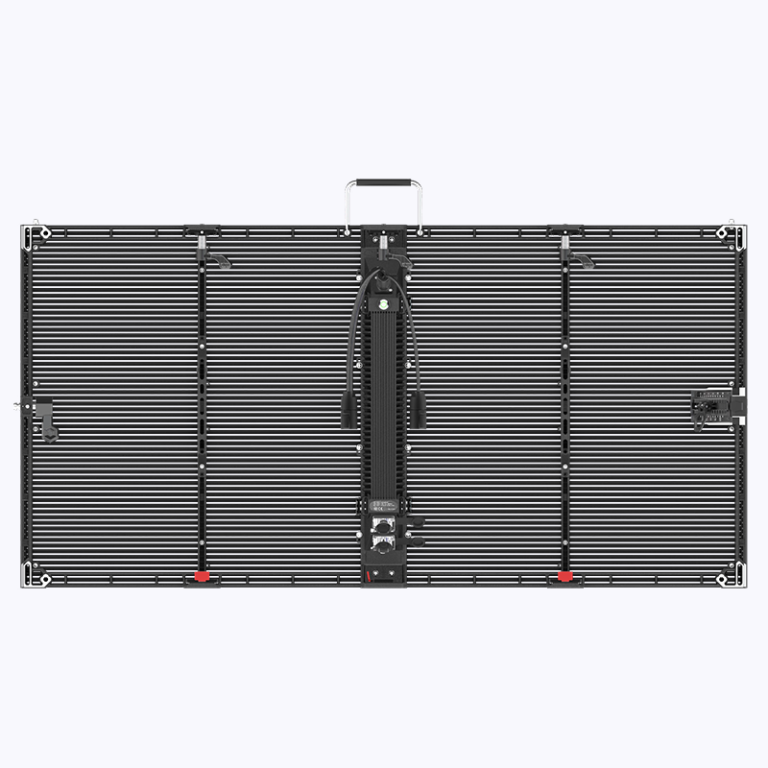
One frequent error is overspecifying pixel density for large viewing distances—small pixel pitch looks great in tech demos but wastes energy in wide-format retail walls. Another is ignoring content workflows; a high-end screen without a user-friendly CMS becomes a dark billboard. Consider these practical alternatives: modular LED cabinet systems that simplify on-site servicing, or hybrid deployments that mix transparent LCD for window displays and traditional LED blocks for interior walls. Small operational choices—proper calibration frequency and simplified redundancy strategies—often make the difference between an elegant installation and persistent downtime. —Minor adjustments early prevent disruptive rebuilds later.
Integration: where sustainability and performance intersect
Energy-conscious design reduces running costs and aligns with store-level sustainability targets. Select LED modules with documented efficacy (lumens per watt) and verify power draw during normal content playback. Use automated brightness control tied to ambient sensors to avoid unnecessary output. Network design matters too: efficient content caching reduces bandwidth peaks and the need for heavy on-premise servers. These steps lower energy and maintenance burdens while preserving a crisp visual experience.
Advisory: three critical evaluation metrics
1) Energy-per-area under standard content: measure average watts per square meter during representative playback rather than relying on peak ratings. That predicts operating cost and HVAC impact.
2) Serviceability score: check mean time to repair for an LED cabinet swap, availability of local spare modules, and whether the vendor supplies remote diagnostics in the CMS.
3) Content legibility index: test with real creative at installation distance to confirm text, product imagery, and motion all remain sharp without excessive brightness. This is the consumer-facing metric that directly ties to sales uplift.
Choose systems that meet these metrics and you control cost, uptime, and customer impact; the result is measurable, not speculative. For practical deployments where energy, maintainability, and content workflow align, Coblinks provides components and integration options that match the operational priorities of modern retail. –