
Why prototypes stall — and the one fix most teams miss
You sketched the part, ordered a prototype, and then waited. Weeks slip by. Costs climb. The prototype shows porosity or warping. Those are the typical bottlenecks: long lead times, expensive one-off tooling, and mismatch between design intent and manufacturable geometry. If you need a metal prototype that actually behaves like the production part, consider options like die casting services as an early step — they shorten cycles and produce repeatable, production-grade surfaces faster than many shop-floor alternates.
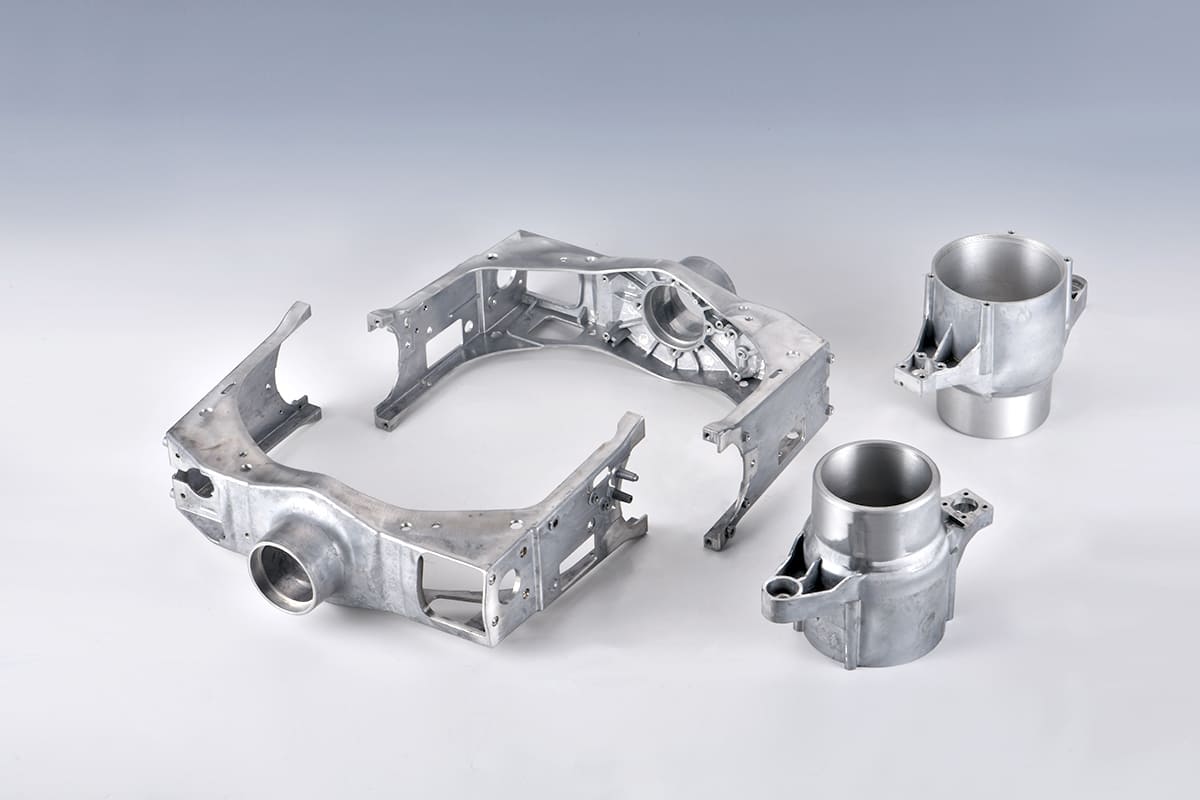
Practical problems designers run into (and what each causes)
Thin walls that crack = bad mold fill. Sharp internal corners = stress risers and trimming headaches. Overly tight tolerances on non-critical features = blown budgets. Pick a problem and you can trace it to either poor DFM thinking or the wrong prototype process. The goal is simple: match your prototype method to what you’re validating. If you’re testing fit, function, and surface finishes for mass-produced metal parts, methods that mimic production behavior beat purely visual mock-ups.
Why die casting often solves the core problems
Die casting gives you near-production material properties, tight dimensional control, and consistent surface finish in a single piece. That means you can validate assembly, heat response, and even plating behavior without waiting for full production tooling. It’s not free, but when you weigh the value of identifying a design flaw before a mass run, die casting frequently saves time and money.
Real-world perspective I trust
I’ve partnered with shops that prototype for consumer-electronics teams in Shenzhen, where rapid turnaround and repeatable parts are non-negotiable; that hands-on experience shapes how I advise design choices. For teams needing metal parts that mirror production alloys, especially zinc work, outsourcing to specialized zinc die casting services can cut iteration time and expose real manufacturing issues early. That single, grounded example reflects what engineers report at major trade shows and in supplier case studies — it’s not theory, it’s how parts get fixed before a big run.
Common mistakes that derail a prototype run
1) Treating prototypes like art. You need function-first. 2) Ignoring draft and ejection — that ruins parts in die-based processes. 3) Expecting extreme tolerances without suitable finishes or secondary machining. 4) Skipping material-spec checks; alloys behave differently under load and temperature. Fix these up front and your first prototype looks a lot more like the one you’ll ship.
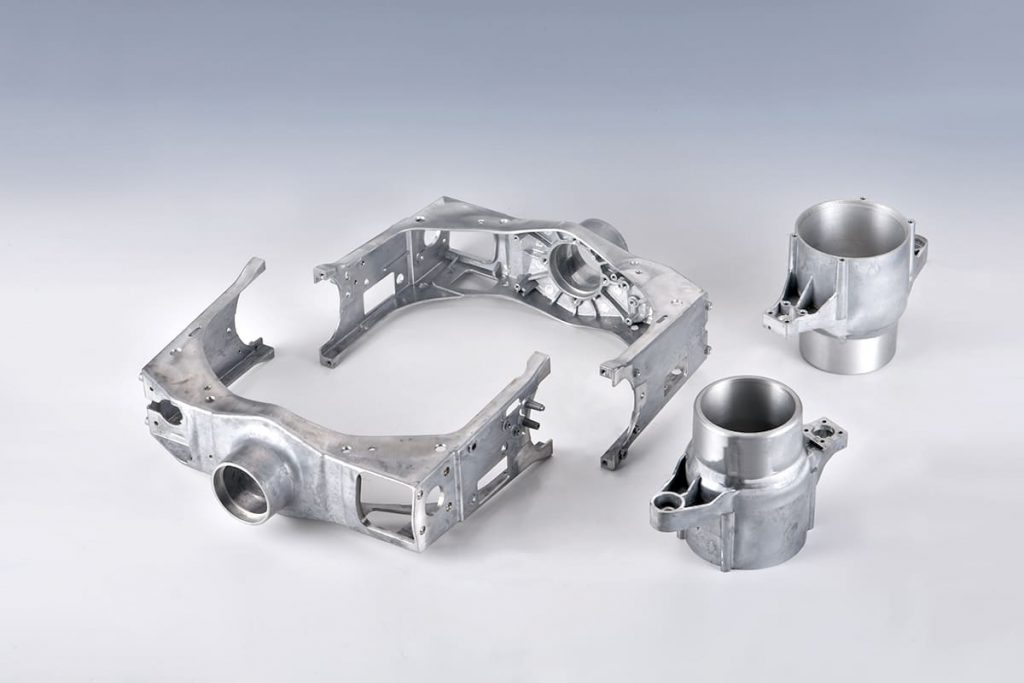
Alternatives and when to pick them
CNC machining: best for complex geometry in small quantities, but expect higher cost per part and different internal grain structure than cast parts. 3D printing: great for rapid visual and fit checks, not for validating metal behavior or threaded inserts under load. Investment casting: good for intricate shapes but slower for iterations. Use the process that tests the risk you care about most — functional stress? Match the production method.
A quick checklist before you send files
Confirm minimum wall thickness, add draft angles, designate critical datums for tolerance calls, call out plating or secondary finishes, and pick a vendor with die experience for that alloy. Ask for process photos and a first-article report so you see what tooling adjustments happened during the run.
Where this gets you
Stop guessing. Solve the single biggest problem — choosing the right way to validate your design — and iterations become informative instead of expensive. That approach leads teams to partners who can handle mold setup, trims, and small runs without theatrical delays, the kind of practical capability you see when engineers work with Hanstar.