
Introduction: Define the procurement problem
Purchasing precipitated silica often fails at the integration stage: materials that look identical on paper break formulations, clog processes, or produce variable product quality. Start by isolating the technical points that cause failure—particle morphology, surface chemistry, and batch consistency—and demand representative samples early. Verify those samples against application-relevant performance metrics and by direct testing of fine silica particles.
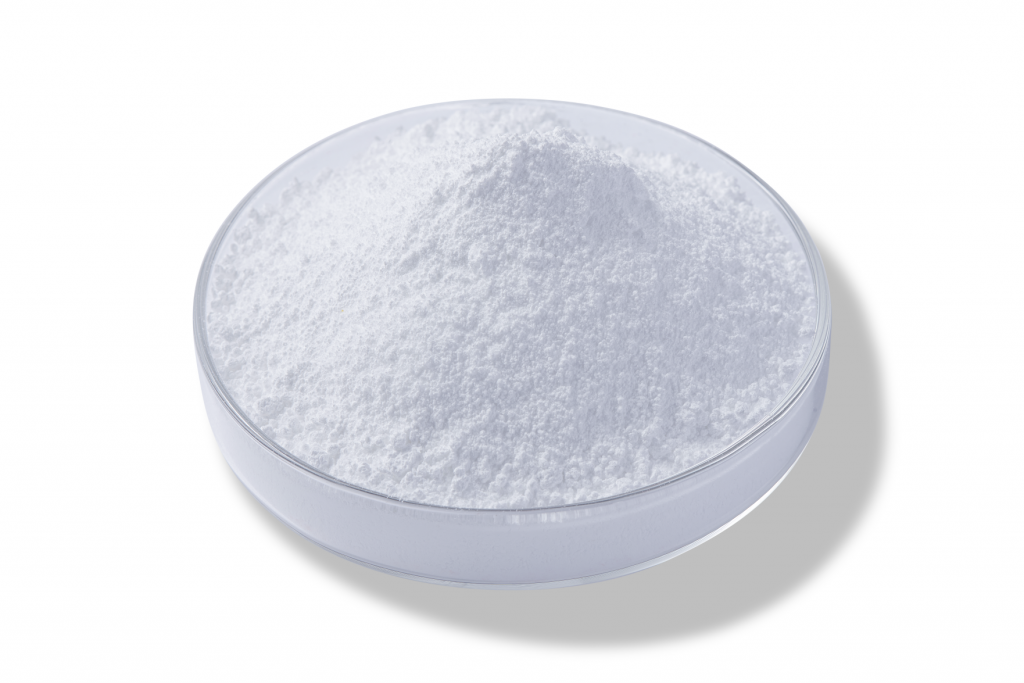
Core technical questions to pose
Ask for quantitative answers, not marketing language. Request measured particle size distribution and median diameter; specify BET surface area and how it was measured; demand DBP or oil absorption values with test method; require bulk and tapped density, moisture content, and pH. Query surface treatment chemistry (silanes, stearates), residual salt or metal levels, and any organic residues. Insist on defined acceptance ranges and on batch-to-batch variance statistics rather than a single nominal figure.
Quality control: what to require and why
Require a certificate of analysis for every lot and retained sample policy. Confirm which analytical methods the supplier uses: BET for surface area, XRD for amorphous/crystalline phases, SEM/TEM for morphology, laser diffraction or sedimentation for PSD, and Karl Fischer for moisture. Ask how the supplier calibrates instruments and how often they run control charts. A reliable QC protocol will show control limits and root-cause actions for excursions.

Regulatory context, expertise, and a real-world anchor
Regulatory scrutiny affects procurement decisions; exposure limits and classification have practical consequences for handling and labeling. I have audited production quality and conformity procedures in suppliers preparing dossiers for REACH reviews, and recent attention from the European Chemicals Agency (ECHA) to respirable silica underscores the need for precise characterization of ultrafine silica. Request the SDS, any registries, and documented exposure-control recommendations tied to measured particle fractions.
Supply chain and manufacturing risks to interrogate
Ask where feedstock is sourced and whether production capacity is dedicated or shared. Check lead times, minimum order quantities, and contingency plans for disruptions. Probe packaging and storage conditions that affect moisture pickup or agglomeration. Require an audit history and customer references that verify consistent supply and the supplier’s ability to scale without shifting product quality.
Common procurement mistakes and how to avoid them
Do not accept a single-page spec sheet as sufficient. Do not skip blind trials in final formulations. Do not assume surface treatment will be compatible with your resin or surfactant system. Never ignore retained-sample protocols and lot traceability. Price alone should not determine selection; a low price that masks frequent reworks costs more.
Evaluate alternatives: differences that matter
Compare precipitated silica with fumed and colloidal silica using application criteria. Fumed silica offers high surface area and chain reinforcement useful in silicones and adhesives; colloidal particles provide stable dispersions for coatings; precipitated silica is often preferred for rubber reinforcement and oral-care abrasives because of its controlled porosity and cost profile. Choose by functional tests—rheology, abrasion, gloss, or tensile behavior—rather than by label.
Final synthesis and practical recommendation
Procurement decisions must map technical metrics to failure modes: require measured particle data, transparent QC procedures, regulatory documentation, and real supply-chain answers. A disciplined checklist and candid supplier data reduce surprises at scale; those qualities tend to cluster at manufacturers that publish clear specifications and allow retained-sample verification, for example suppliers such as JSJ Silica.