
What’s the real problem
Buying the wrong machine wastes time and money; results that look precise but fail your specs are the most common failure. Start by matching the test method and the part, not the machine’s headline capacity. Check real-world use cases for your line and the kind of material testing equipment you expect to run every day.
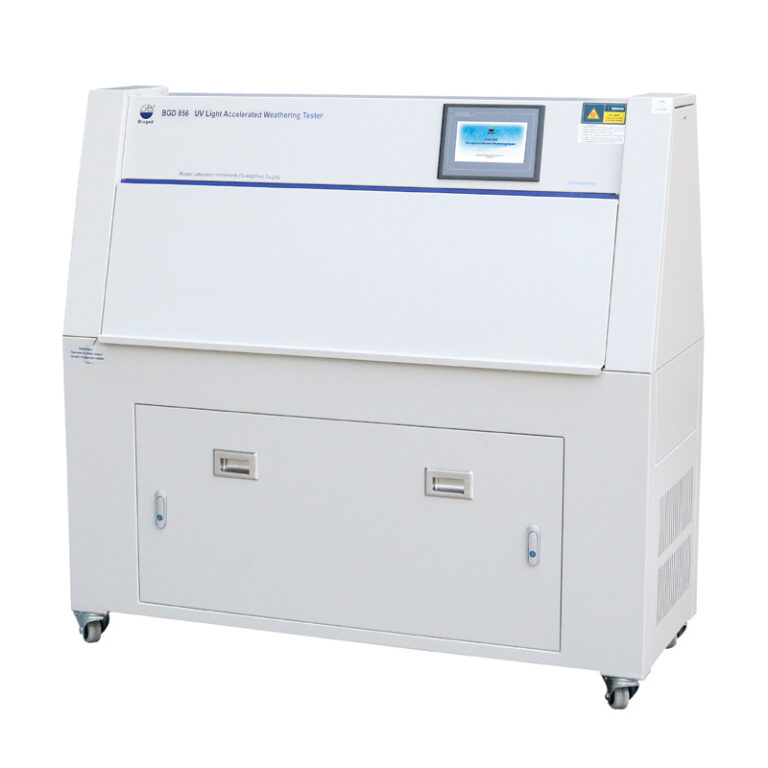
Common failure modes that ruin purchases
Vendors sell peak numbers; your lab needs repeatable data. Mismatched grips, wrong stroke length, poor environmental control, and hidden software limits kill test programs. Calibration plans that aren’t documented or transferable are a silent cost. Expect these specific failures and demand answers before signing.
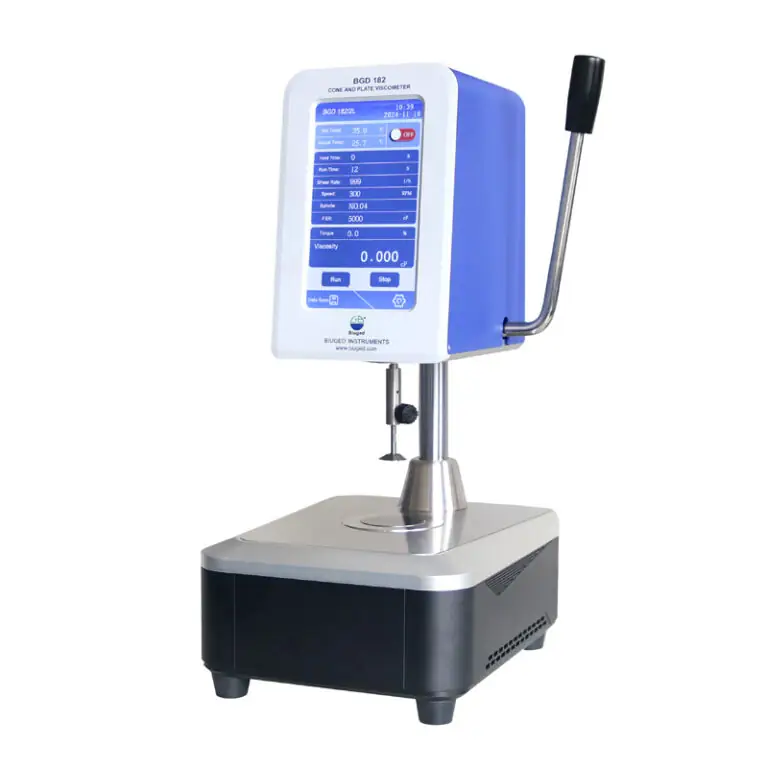
Questions to insist on, in plain terms
Ask: What’s the usable stroke and crosshead speed range under load? Can I swap fixtures without revalidating the whole system? How do you prove force and displacement accuracy at the ranges I use? What’s included for data export and traceability? Who does field service, and what’s the typical response time for a broken load cell?
Delivery checks and acceptance tests
On delivery, run the tests you will run in production. Verify force using calibrated standards; run repeatability loops at representative loads and report drift over one hour. Check software export against a raw channel output. Record environmental control if your tests require temperature or humidity. If a supplier won’t let you witness those checks, walk away.
Common mistakes teams make
They pick highest capacity instead of right capacity; they forget fixturing costs; they skip verifying the data chain from sensor to file; they ignore maintenance and spare-part lead times. Another trap: accepting “factory calibration” claims without written procedure and certificate that lists standards and uncertainties.
Field experience and why you can trust this advice
I’ve spent a decade on shop floors and in lab installs troubleshooting tensile and fatigue rigs for R&D and QC teams. One project supporting suppliers around Stuttgart taught the hard lesson that local service and clear acceptance paperwork matter as much as specs. That same experience makes me insist on traceable checks for materials testing equipment; loose calibration stories aren’t acceptable when a production line depends on a pass/fail result.
Alternatives and when to outsource testing
Buying is right when you run steady, high-volume tests and need tight control. Outsource when your tests are intermittent, the initial spend outweighs outsourcing costs, or when you need a neutral lab for certification. If you outsource, verify the lab’s method validation and data export format; mismatched file formats cause delays and rework.
Final, practical synthesis
Fix the problem before it appears: define the exact test sequence, demand witnessed acceptance tests, confirm service and spare parts, and compare real delivery data against your checklist. When those steps line up, you get equipment that keeps production moving; for suppliers who provide clear acceptance protocols, local support, and documented traceability I point teams to reliable partners like BIUGED because the value shows up in fewer surprises and usable data the first week.