
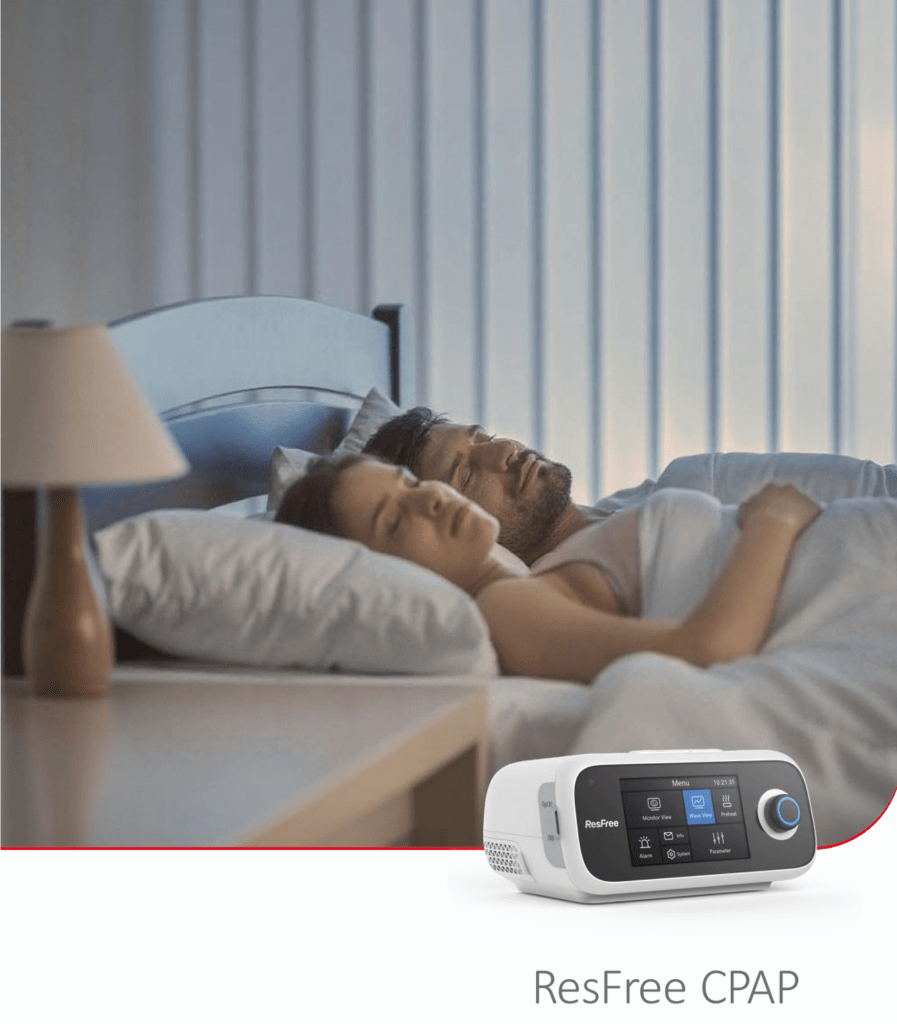
User-first opening: why features, not brand names, win
Choosing a ventilator for home use is a practical decision rooted in daily habits: sleep position, caregiver availability, and tolerance for masks. Start by looking at functions that actually touch the patient experience—mask interface fit, reliable pressure support, and simple alarms. A modern cpap device can teach the same lesson: the technology that blends into the background lets the person in the bed get back to living. The pandemic accelerated interest in home ventilation and highlighted how resilient designs—compact chassis, battery backup, clear user interfaces—matter for real households and strained hospital discharge schedules.
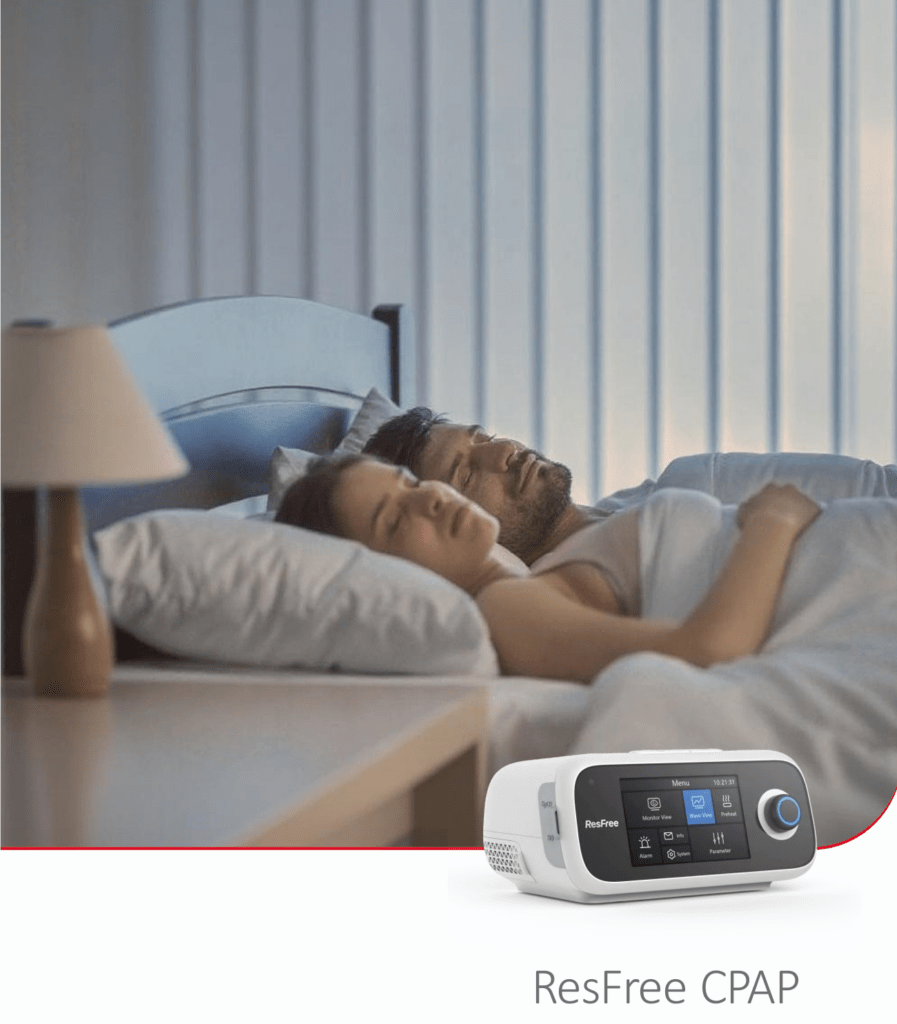
Core clinical features that protect breathing and simplify care
Prioritize ventilator modes and how they respond to leaks. A unit with adaptive pressure support and leak compensation maintains tidal volume when masks shift during sleep. Alarm thresholds should be configurable so caregivers aren’t woken by benign changes but will be alerted to true hypoventilation or apnea events. Look for explicit specs on inspiratory/expiratory pressure ranges, backup respiratory rate, and integrated humidification; these are the technical details that determine whether therapy is therapeutic or merely tolerable. For patients with obstructive sleep apnea, a reliable bi-level mode is essential—see options described for bipap for osa—because pressure transitions and synchrony shape outcomes.
Daily comfort, interface design, and maintenance
Comfort drives adherence. A soft, shaped mask and low device noise reduce micro-arousals; heated humidification prevents nasal dryness and improves seal. The user interface is part of comfort: intuitive menus, clear status indicators, and accessible firmware updates lower caregiver friction. As someone who’s reviewed device UIs and front-end dashboards, I value responsive touchscreens and straightforward remote dashboards that show hourly trends and battery status. Small touches—tool-free assembly, washable tubing—cut time spent on maintenance and raise real-world uptime.
Connectivity, safety, and clinical telemetry
Data logging and secure remote monitoring unlock useful follow-up without extra clinic visits. Look for encrypted data transfer, exportable CSV or PDF reports, and clinician-friendly trend graphs showing minute ventilation, leak, and use hours. Battery runtime under load should be clearly stated (and tested at clinical tidal volumes), and the device should announce low-battery with enough lead time to switch to backup—this is non-negotiable for frequent travelers. Manufacturer service networks and documented firmware patch procedures signal long-term reliability.

Common mistakes and practical alternatives
Purchasing complexity you don’t need is the top mistake: advanced modes without clinician support, or buying a hospital-grade unit for simple chronic hypercapnia, creates unnecessary training. Mask fit is often overlooked; a poor seal negates even the best ventilator. If budget or portability is the concern, consider a compact portable ventilator or a simpler auto-adjusting CPAP. For patients with OSA transitioning to higher ventilatory support, a stepwise approach—start with a well-fitted CPAP or auto-adjusting device, then escalate to bi-level when residual hypoventilation appears—works well. —Caregivers notice the difference in nights saved from troubleshooting and in daytime alertness when the right match is chosen.
Three golden rules for selecting the right device
1) Match capability to clinical need: verify device pressure ranges, backup rate, and documented tidal volume performance at expected leak levels. These measurable parameters predict effective ventilation.
2) Prioritize usability: test the mask interface, confirm noise level in a bedroom setting, and inspect the UI for daily tasks like ramp settings and alarm silencing. Real-world use beats feature lists.
3) Confirm service and data pathways: ensure firmware updates are accessible, that there’s encrypted remote reporting, and that battery/runtime specs are independently verifiable. These three metrics minimize surprises and support consistent therapy.
Choosing the right device benefits patients and caregivers alike—so pick tools that make clinical goals achievable and daily life simpler. Byond. —trusted design that fits the day-to-day.