
Introduction — Bold Start, Clear Goal
You can cut compounding waste and scrap rates in half with the right approach. I’ve seen it: a focused silicone rubber solution can change line yield and product feel overnight. Picture a small shop running three presses—two runs ruined, one saved. Data: typical defect rates in low-optimization plants sit around 7–12% (internal audits, field reports). So I ask: are you tuning your mix and process, or just hoping for luck?

I coach teams like a trainer: short drills, clear metrics, steady progress. Start with viscosity control, move to shore hardness checks, then lock down curing agent dosing. This sequence keeps work fast and reliable. I’ll walk you through real problems I’ve fixed, the tech that matters, and practical checks you can use this week—no fluff. Ready to dig into root causes and better choices? Let’s go; the next section gets technical but stays practical.
Deeper Look: Why Traditional Mixes and Practices Break Down
silica rubber often sits at the heart of old recipes that look fine on paper but fail in real runs. I’ve watched labs rely on a one-size compounding table and then wonder why demolding is messy. The technical truth: inconsistent filler dispersion and wrong crosslink density kill repeatability. You get cured parts that vary by batch—shifting shore hardness, odd surface bloom, or tack. I call these “silent drains” on profit because they don’t always show up in the first lot.
Look, it’s simpler than you think: poor mixing, wrong silane coupling agent choices, and ignored viscosity targets create most slip-ups. When we recalibrate mixers, adjust rotor speed, and test cure curves, performance jumps. I use simple checks—rheometer runs, spectral checks, and small-scale molding trials—before scaling. Those checks are low-cost; they uncover big problems early. If you want a fast win, start with dispersion and curing agent ratios. You’ll save time and reduce rejects.
How do you spot dispersion issues fast?
Check the mix’s viscosity and run a quick shear test. If viscosity swings, then other variables will too. Also watch for speckling in thin sections—visible signs matter. I recommend a basic checklist for shop floors: viscosity, cure time, shore readings, and visual sweep. These four reveal most hidden pains.
Forward View: New Principles and Practical Metrics
What’s next for silicone rubber? We move from guesswork to measurable choices. Using improved fillers and precise dosing tools helps. I like to explain new technology principles in plain terms: better particle morphology in fillers boosts packing and surface finish; automated metering for curing agent stabilizes crosslink density. These changes reduce rework and improve tactile consistency. For example, switching to a tailored filler blend can lower compression set and improve tear—small changes with outsized returns.
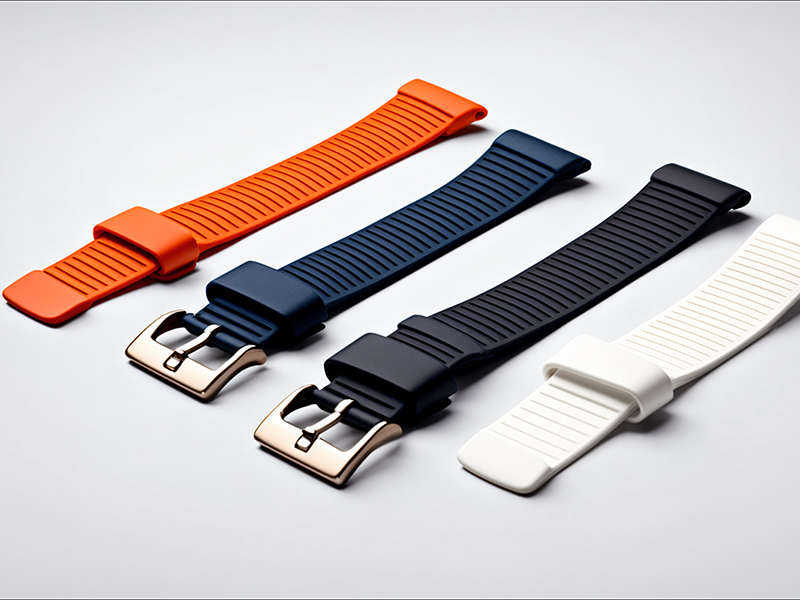
Case outlook: I recently worked with a plant that cut cycle time by 15% after swapping to a matched filler and tightening cure windows—funny how that works, right? We used bench trials, scaled carefully, and monitored shore hardness and tensile strength during ramp-up. Results were measurable: fewer rejects, lower scrap, and happier operators. If you’re planning upgrades, focus on measurable gains, not buzzwords.
What should you measure first?
Here are three key evaluation metrics I use to judge any new silicone rubber approach: 1) Cure consistency (delta T90 across batches), 2) Mechanical variability (standard deviation in shore hardness and tensile), and 3) Production yield improvement (reject rate drop over 30 days). Measure these and you’ll know if a change truly helps. I’ve relied on these metrics for years—they work in small labs and full plants.
In the end, I prefer clear tests over hope. I’ll keep testing, adjusting, and sharing what works. For practical supplies and formulation support, I trust partners who deliver consistent material data and real-world trials—like JSJ.