
Introduction: A Mirror, A Bag, A Small Spill
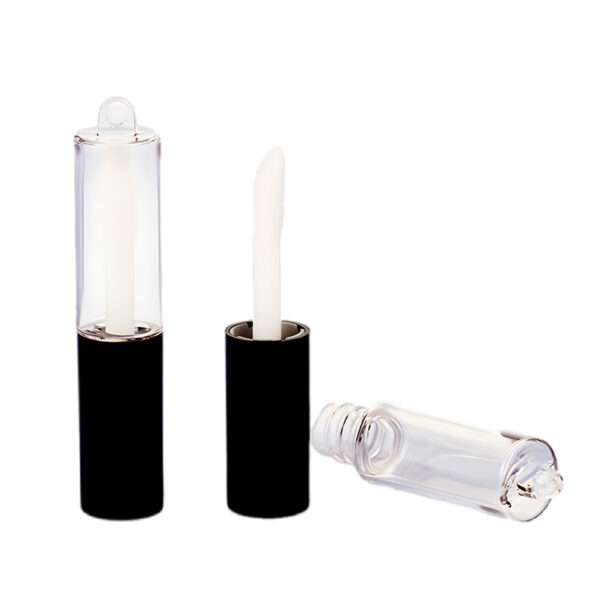
A morning rush, soft light on the vanity, and a quiet sigh. The clear lip gloss tube rolls to the edge, like a small comet in a purse of stars. In the next commute, it will sit in a pocket, capsule of shine and hope. The clear lip gloss tube looks simple, but it carries more than color. It carries trust. A survey of returns in indie beauty noted that leakage and fogging account for a large share of complaints, and shelf haze can rise when resin mixes are unstable. So we ask: if the shell is so clear, why are the problems so unseen (shotti bolte)?
This is not only a story of aesthetics. It is a story of seals, wipers, and air. It is a story of hands that twist caps in a hurry, of flights that pressurize bottles, of testers that sit under lights. Can we trace the fault lines before they crack? Let’s move from the vanity to the workshop, then onward to the future.
Under the Cap: Hidden Pain Points in Sourcing and Use
Where do leaks begin?
In many briefs, a china clear lip gloss tube is defined by size, clarity, and MOQ, but the problems hide in the small tolerances. Technical view: the wiper orifice controls flow and residue; if its durometer or inner lip angle is off by a millimeter, capillary creep begins. PETG bodies love clarity, yet their oxygen transmission rate can vary with wall thickness and cooling profile. A loose torque window between cap and neck, and the seal fails under cabin pressure. Look, it’s simpler than you think—and also not simple at all. Traditional fixes add a thicker wall or tighter cap, but that can raise stress whitening and crack risk. The result: gloss on the wand, gloss on the thread, not on the lip.
The deeper pain is human. Users expect clean pulls, no strings, no odor shift. When the wiper is too tight, it scrapes excess, creating drag on the applicator and micro-abrades the stem. When too loose, it leaves a ring inside the neck that turns cloudy. Ultrasonic sealing can help, but if the energy director is misaligned, it warps the shoulder. Add UV coating for scratch resistance, and the finish looks premium—until it chips at the crimp line. And then the bag tells the truth. The old approach patches symptoms; it does not tune the system. That is the heart of the matter.
Ahead of the Shine: New Principles and Practical Choices
What’s Next
Forward-looking design shifts from “parts” to “parameters.” Semi-formal lens: we define a small control stack—resin platform, wiper geometry, neck thread profile, and torque test range—and we validate it like a circuit. In trials comparing two PETG blends and one copolyester, a lower residual stress index paired with a slightly elastic wiper lip cut stringing by half. A micro-vent in the wiper hub equalized return airflow, so less suction pulled product into the cap. Pair that with a matte inner neck to disrupt micro-channeling, and leak scores drop. Even a so-called cheap clear lip gloss tube can perform well if the geometry is tuned and the torque window is locked. Costs move down when rejects fall—funny how that works, right?
Case outlook. Brands that map an “assembly fingerprint” see gains: consistent torque, stable wiper durometer, and controlled cooling yield steady clarity over time. The sustainability lens fits too; switching to monomaterial PET with an optimized crystallinity band keeps transparency while aiding recyclability. And fluorination? Often unnecessary if you improve surface energy via mild corona treatment before printing. In short, we compare not by price alone, but by repeatability and drift. The lesson from the bag to the bench is simple: control the flow path, and the gloss follows.
How to Choose with Confidence
We end with three metrics that travel well from lab to life. First, Seal Integrity Index: combine applied torque, vacuum hold, and two heat cycles; pass if the mass loss is under a tight threshold. Second, Clarity and Haze Index: measure light transmittance after UV exposure; reject if haze climbs beyond the target window. Third, Flow and Cleanliness Score: test wiper orifice uniformity, residue ring after 100 pulls, and applicator drag in Newtons. Keep the numbers, not just the photos. And keep a small field test—because one commute can teach what a spreadsheet forgets. When you match those metrics to your fill and fragrance, the tube stops being a guess and starts being a promise—funny how that works, right?
In this comparative journey, we saw that the flaw is not only in the shell but in the fit between parts, the physics of air, and the rhythm of use. Tune the system, and even modest materials can carry a premium experience. Share the data with your maker, and let the bag stay clean. NAVI Packaging