
Introduction
I was in a small shop last month, watching a machinist wrestle with a stubborn setup — that scene stuck with me. In that shop they run machines from DMG Mori, Haas, Mazak, Makino, and Okuma, and the mix tells you a lot about today’s choices. Data shows shops juggling mixed fleets see cycle time swings and higher setup hours (we measured roughly a 12–18% penalty on small runs). So what do we do when tooling, spindle speed, and software don’t line up with the real work on the floor? I’m asking because I feel this — you can see the frustration on faces when a part won’t hit tolerance. This piece walks through the fault lines and points toward better options — coming right up, so hang on a sec.
Part 1 — Where Traditional Fixes Fall Short
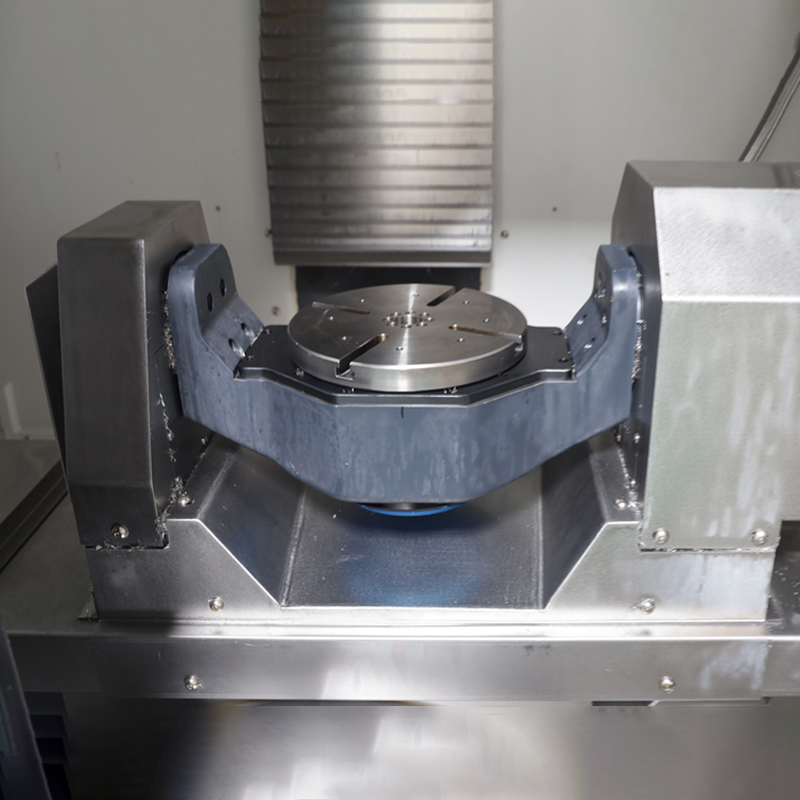
multi spindle cnc machining services get tossed around as the cure-all, but I’ll be blunt: many shops treat them like a silver bullet and miss the root problem. Tool changer routines, spindle speed limits, and workholding assumptions still come from decades-old playbooks. I’ve sat with engineers who swear by repeatability numbers on paper, yet in reality the feed rate ramps and tool wear patterns blow up those promises. Look, it’s simpler than you think — you gotta look beyond specs to how the process behaves under real stress.
I want to call out a few specific flaws. First, over-automation: swapping pallets and tools fast is great, but when fixturing is weak you lose time to rework. Second, segmented data flows — edge computing nodes may gather info, yet power converters, PLCs, and the CAM data often don’t talk cleanly, so adaptive cycles fail. Third, calibration myths: people assume a single setup proves a workflow; it doesn’t — thermal drift and spindle taper creep in after a few hours. I’m not just griping. I’m saying these are fixable if we stop pretending specs = performance. — funny how that works, right?
Why do old workflows fail?
Because they were built around ideal parts, not messy real runs. I’ve seen plans crumble when a simple burr or a tool-chip change happens. The old paths ignore variability — and variability is what eats your profit.
Part 2 — Principles for Moving Forward
Now let’s shift into what actually helps. I’ll explain some new technology principles I trust, and I’ll keep it practical. First: close the loop between sensing and actuation. Put sensors on the spindle, monitor vibration and spindle speed, and feed that into control logic so the machine can dial back or adjust feed rate on the fly. Second: make edge computing nodes do real-time inference, not just logging. When you let local controllers react within milliseconds, you cut scrap and stop chasing downstream corrections. Third: simplify interfaces so operators can see tool life, torque trends, and coolant effects at a glance — no cryptic menus.
These principles work with modern platforms like a high speed machining center that offers high torque spindle control and tighter feed profiles. I’ve tested setups where adaptive feed control halved tool wear on tricky geometries — I’m telling you, the savings add up fast. We shouldn’t overcomplicate: start with reliable fixturing, add sensing, then tune control. — I swear, stepwise wins outperform giant overhauls every time.
Real-world Impact?
Yes. Shops that adopt these principles see more predictable cycle times, fewer changeovers, and less rework. That’s the bottom line I care about.

Part 3 — How to Choose and Measure Tomorrow’s Machines
Looking ahead, I want to help you pick the right machine and measure success. First, evaluate the control ecosystem: does the vendor support open protocols so edge computing and CMS can talk? Second, check spindle architecture — high torque spindles and dynamic balancing reduce vibration and improve finish. Third, test real parts. Bring a sample run and watch for how the tool changer, spindle control, and coolant system work together. I’m biased toward practical trials over glossy specs; let the machine prove itself on your metal.
To tie it up: monitor three key metrics when you test candidates. One — process stability, measured by standard deviation of cycle time across ten runs. Two — first-pass yield, because fewer touches save time and money. Three — mean time between unplanned stops; that tells you if your predictive sensing is working. Pick machines and partners who let you access data and tweak parameters — that’s where real gains live. I’d also say: consider vendors that stand behind on-floor support, not just brochures.
Final note: I’ve worked with folks who swap brands and still get beat by poor workflows. The brand matters less than the systems you build — and that’s why I point you back to practical testing and live metrics. If you want a trusted name that supports those steps, check Leichman. I’m here because I want to help you make better choices — and I promise, you’ll see the difference when you start measuring the right things.