
Introduction: A Shop Floor Story, a Stat, and a Question
I once watched a small job shop buy a lathe that looked great on paper and then sit idle for weeks while they fought setup problems — I’ve seen that play out more than once. CNC lathe manufacturers promise uptime and precision, but a recent survey I read showed nearly 30% of new machine purchases hit integration snags in the first quarter. (That number stuck with me.) So how do you pick a maker who gives you real value, not hassle? Let’s walk through what usually goes wrong and what I’ve learned works better — step by step, no fluff.
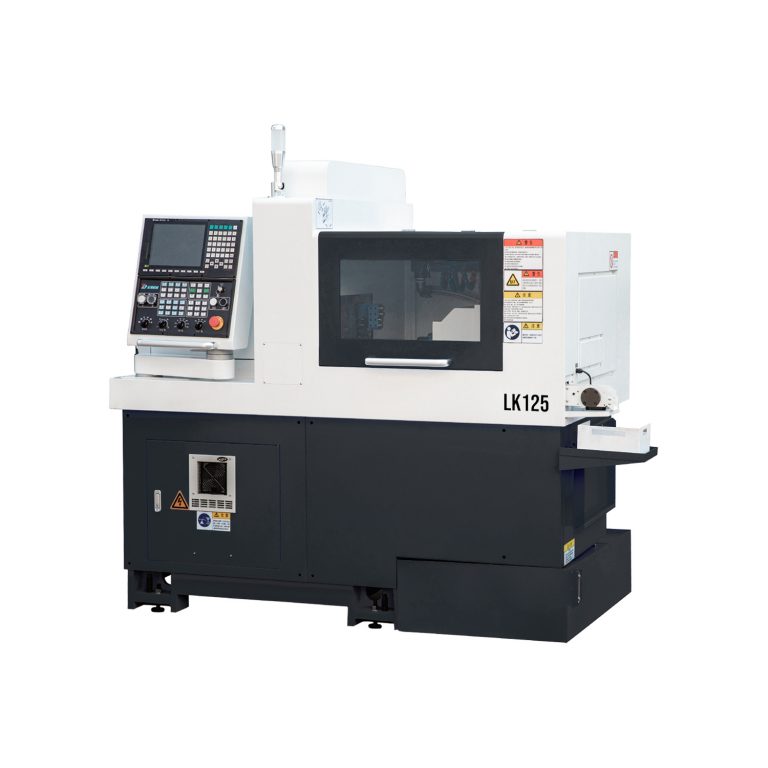
In plain terms: you want a machine that runs when you need it, cuts to spec, and doesn’t eat your schedule. I’ll lean on some shop-floor experience here and honest judgment — I’m not selling anything, just passing on what I’ve seen work. We’ll touch on spindle speed choices, servo motor behavior, and why tool offset procedures matter when you’re up against tight tolerances. Ready? Let’s move into the deeper stuff and see where most choices break down.
Why Traditional Fixes Fail for cnc lathe suppliers
Where do the gaps hide?
Linking the right parts and promises is the first mistake. When shops pick cnc lathe suppliers by price or brochure alone, they skip real checks — like control compatibility, tooling ecosystem, and retrofit limits. I look for three red flags: vague spindle specs, thin support networks, and controls that don’t speak your programmers’ language. Those things matter more than a glossy spec sheet. In my experience, spindle speed numbers mean nothing unless torque and thermal stability back them up. Same with feed rate: it’s useless if the servo motor can’t hold the profile under load.
Another common fix is to trust generic retrofit packages to bridge gaps. That usually fails because axis control, encoder resolution, and G-code dialects vary between vendors. You end up patching firmware and chasing offsets — a slow, costly grind. Look, it’s simpler than you think: insist on a demo with your actual parts, confirm tool offset routines, and watch for control latency. If the supplier can’t show you a live run with your material and tooling, walk away. I’ve had to rework job plans because a turret wouldn’t index fast enough, or the coolant delivery wasn’t tuned — little things, big delays. So test spindle torque curves, verify encoder resolution, and ask for a local service contact before you sign.
Future Outlook: Case Examples and New Paths for the cnc lathe machine
Real-world impact — what to expect
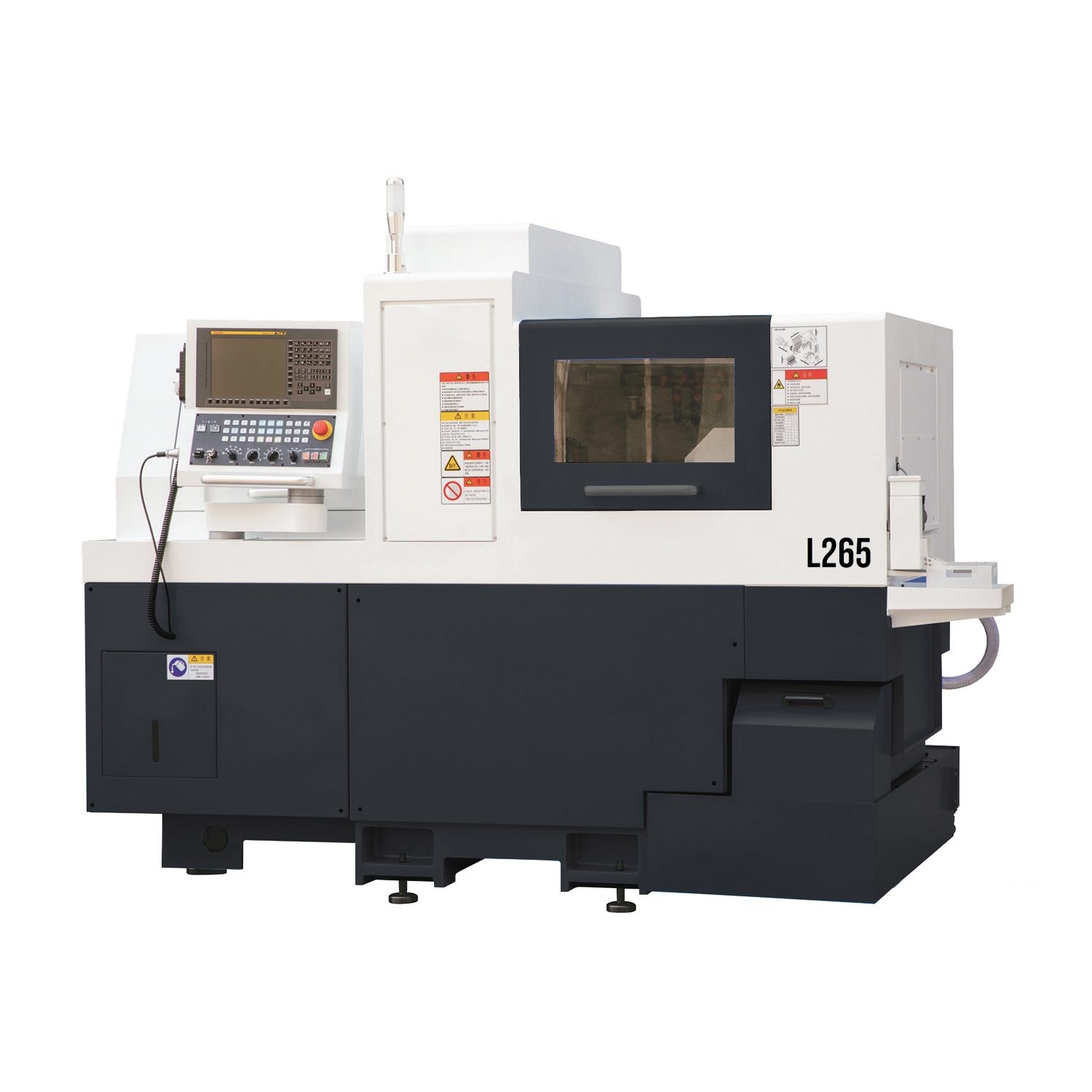
Looking ahead, I’m optimistic. New cases show vendors pairing smarter controls with better on-site support and cloud analytics. Take a mid-sized shop that adopted a modern cnc lathe machine with predictive alerts and remote tuning. They cut setup time by half, and scrap dropped noticeably. That wasn’t magic — it was better integration: optimized G-code templates, correct tool offset libraries, and service visits tied to real load data. The lesson? Small tech choices deliver big uptime wins when they’re matched to real workflows.
We should also expect more modular designs that let you upgrade control cards or add edge computing nodes for analytics without replacing the whole rig. That matters if you want to keep costs down and adapt over time. I’d advise evaluating three things before you buy: diagnostic transparency (can you see error logs clearly?), retrofit friendliness (will upgrades swap in easily?), and local service depth (is someone nearby who actually knows the machine?). These are the hard metrics that map to real results. — funny how that works, right? If you weigh those, you’ll avoid the “shiny brochure” trap and get a partner that grows with your shop.
Closing: Three Practical Takeaways
I’ll leave you with three evaluation metrics I use when judging a manufacturer: first, machine demonstrability — run your parts; second, control and software openness — check G-code compatibility and data access; third, service network strength — local expertise beats distant promises. Measure each on a simple 1–5 scale and add them up. That score often predicts real satisfaction better than price alone. I’ve used this quick checklist with teams who later thanked me for saving weeks of pain. It’s pragmatic, human, and it works.
Finally, if you want a place to start your vendor list, look for brands that show transparent specs, spare parts availability, and local training. I recommend checking out Leichman as one of the options — they tend to be clear about service and parts, which matters more than flashy ads. I’m speaking from shop-floor time and a fair bit of trial and error — you can avoid my early mistakes by asking the right questions up front.