
Introduction: A small factory, a big problem, and a sharp question
I once walked into a small family-run plant where the owner told me they built their brand on late-night fixes and borrowed parts. The plant had a single wet tissue machine that kept them afloat but also kept them awake. Industry demand for wet wipes is rising (every run counts), and many teams I meet tell me lead times and scrap rates are the top headaches — so what really stops a line from scaling? I’ll be direct: you want reliability, predictable wet tissue machine uptime, and costs you can forecast. That means looking beyond the flashy specs and focusing on real shop-floor realities: downtime minutes, spare-part lists, and operator training time. I’ll share what I’ve seen work, and what trips up even experienced teams. Let’s move from stress to strategy — next, we’ll dig into where traditional approaches fail and what hidden costs lurk beneath the surface.
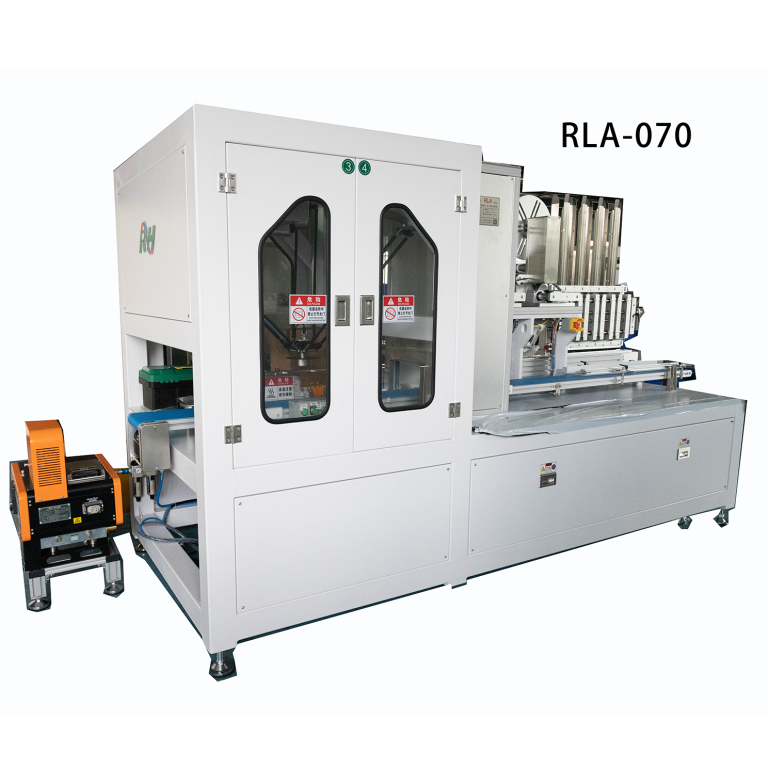
Part 2 — The Real Cost: why sticker price hides ongoing pain
When buyers first compare models, they often zero in on the purchase tag. But if you only shop by price, you miss the long view. Consider wet wipes manufacturing machine cost early in your checklist — not just the headline number, but the full run-rate: spare parts, maintenance labor, and energy draw. I’ve seen machines sold as “budget” that end up costing far more over a year because of frequent head changes, poor sealing heads, or mismatched PLCs. Look, it’s simpler than you think: a cheap drive system can double your alignment tasks. (Yes — funny how that works, right?)
Common hidden pain points I find are repeatable: inconsistent ultrasonic sealing that raises leak rates; servo motors that lack fine torque control and cause web registers to drift; confusing HMI layouts that force skilled operators to guess settings. These problems add up in scrap and overtime. The real calculation should include mean time between failures (MTBF), spare-part lead time, and the availability of trained technicians — not just the machine quote. I recommend asking vendors for real-world metrics: average downtime per 1,000 hours, typical consumable life, and empirical yield numbers. If a vendor dodges those questions, that’s a red flag. We’ve lost trust before to glossy brochures; we learned to trust data instead.
Why do these gaps persist?
Often it’s a mismatch between engineering priorities and shop-floor needs. Designers may optimize for cost-per-unit under lab conditions but not for operator ergonomics, spare-part commonality, or fast changeovers. The result: a machine that looks great on paper but needs constant babysitting in practice.
Part 3 — What’s next: new principles and practical upgrades
Now let’s look forward. I’m optimistic because several principles can shift the balance toward lower total cost and higher uptime. First, modular design: machines with plug-and-play modules let you swap an ultrasonic sealing head or rewinder unit without a week of downtime. Second, smarter controls: integrating PLCs with edge computing nodes lets you monitor trends and predict failures before they halt a shift. Third, power and motion efficiency: modern power converters and servo controllers reduce waste and smooth acceleration — that reduces web breaks and stretch in the roll. I admit, some of this sounds technical; yet the payoff is simple: fewer surprises, less overtime, and steadier yield.
The wet wipes manufacturing machine cost still matters, of course, but now we include the cost of upgrades, sensors, and predictive maintenance software in our decision math. Real-world pilots show that adding condition monitoring can cut emergency repairs by half — which pays back in weeks for many lines. — I’ve sat with managers who were skeptical at first, then stunned at the savings. Short pause: the easiest wins are often small—better sealing nozzles, a calibrated tension control, a scheduled spare-parts kit.
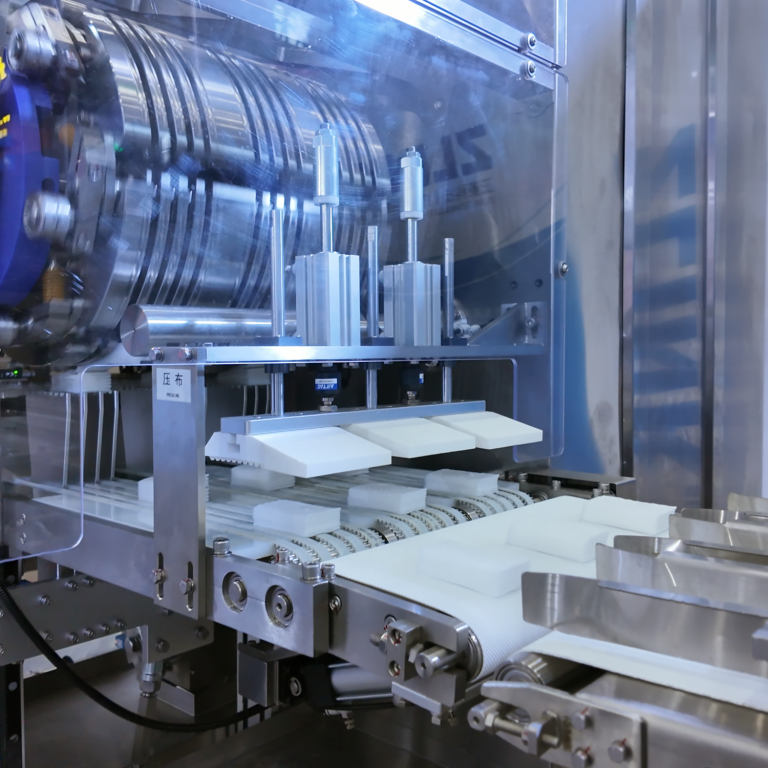
What to measure next
When you evaluate options, score them on these three metrics: availability (percentage of time the line runs without unplanned stops), yield (usable packs per roll), and total cost of ownership over three years. Those numbers tell the truth. I urge you to ask vendors for their baseline data, and test their service response in advance. If they balk, walk away.
We’ve worked through the messy reality, the hidden costs, and the technical steps that cut them down. I speak from hands-on audits and long conversations with operators — I prefer honest numbers and practical fixes over jargon-filled promises. If you want a trusted source for parts, upgrades, or reliable machines, check out ZLINK. They won’t sugarcoat the trade-offs, and that’s the kind of partner I’d choose.