
Introduction: Field Reality and the Numbers That Count
I’ve spent over 17 years commissioning and buying utility-scale battery systems in dusty yards, not spotless labs. I work with hithium energy storage where alarms don’t blink on slides—they scream in the SCADA room at 4 a.m. In one storm event last August near Bakersfield, a 50 MW/200 MWh system had to hit a 180 ms response window to hold frequency against a feeder trip. It did, but only after we tuned the BMS SoC window and trimmed the power converters’ ramp rate. Here’s my question: are you measuring the right signals, or just the convenient ones? If you’re evaluating hithium bess, the wrong metrics can paint you into a corner.
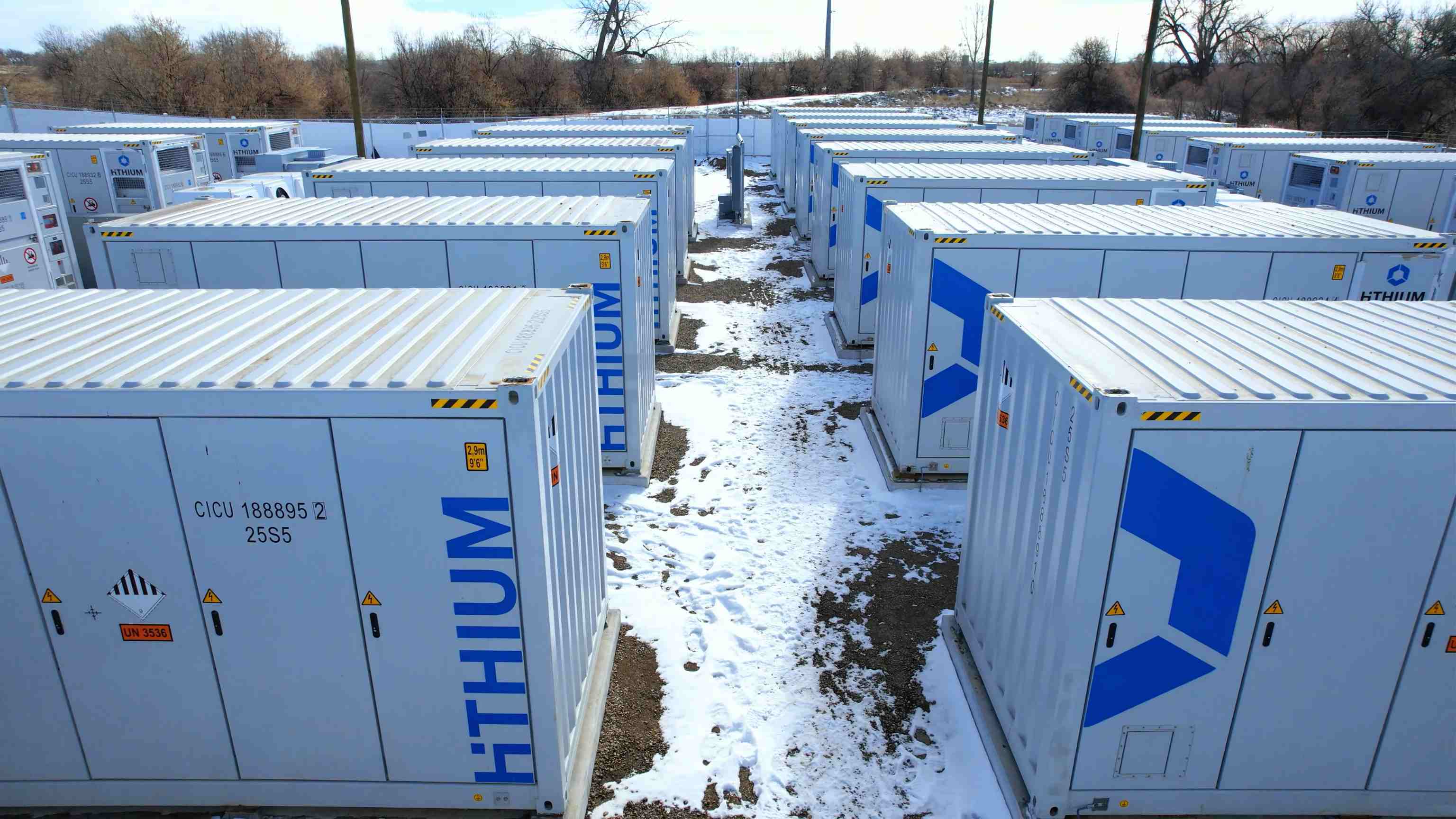
Direct talk—grid-ready means predictable response, safe thermal behavior, and uptime that survives real heat. I’ve watched monthly “efficiency” reports hide a 2% availability dip that cost $42,000 in penalties in Q3. Averages can lie (and downtime never does). The practical test is simple: can your asset hit dispatch, stay within NFPA 855 thermal limits, and restore state of charge on schedule without babysitting? That’s the baseline I use on every yard walk. Let’s break down where most folks get tripped up and why it keeps happening.
Hidden Failure Modes in Plain Sight: What Traditional Checks Miss
Where do legacy methods break?
Here’s the trap I see weekly: teams track round-trip efficiency and call it a day. That’s not enough. With hithium bess, I’ve seen flawless efficiency mask jitter in the EMS that added 300–400 ms to dispatch under AGC. On paper, fine. On the grid, a miss. The culprit was SCADA polling intervals fighting the BMS ramp profile—two clean systems, misaligned. I prefer solutions that log edge computing nodes at the string level, so we catch the drift before it bites. Look, this isn’t rocket work—just disciplined checks. If you don’t chart SoC recovery time after a 1C pulse, you won’t see the DC bus sag that forces derates at the worst moment.
Another blind spot: harmonics from power converters. I recall a 3.45 MW string pair in El Centro on May 12, 2023, pushing THD just past the interconnect rule under humid load. It took a firmware patch and a bus filter check to get back inside limits. Thermal behavior is similar. A cabinet can test well at 25°C but climb 4°C per hour in a July heat dome, nudging cells toward stress and triggering the BMS to clip output. If your report only shows monthly averages, you will miss that creep. I firmly believe that weekly “dispatch replay” with 1-minute telemetry, breaker status, and fan current is nonnegotiable. It reveals the slow leaks—the ones that cause 2–3% annual revenue loss without a single headline alarm.
Comparing Old Habits to New Principles: Proof in the Yard
What’s Next
In Riverside County, September 2024, we swapped legacy polling for event-driven EMS on a 100 MW/200 MWh site. Same racks, same ambient. Different brain. The system began using adaptive C-rate control and pre-charge logic based on feeder volatility. Outcome: 99.3% availability over the hottest 30-day stretch, with auxiliary load trimmed by 8% after a fan curve update. The operator told me the best part wasn’t the headline number—it was the calm dispatch trace. No sawtooth, no surprise derates. That calm trace delivered a measurable thing: full compliance on a 15-minute resource adequacy test window, zero penalties. We tied the win to three changes: local edge analytics at the combiner, revised BMS SoC floor from 12% to 15% to avoid stress, and a converter firmware patch that softened step changes. Small moves, big stability.
When I compare those results to sites still running time-based SoC targets and loose polling, the difference is plain. The future leans on new principles: tighter EMS-BMS handshake, predictive thermal control, and smart fault isolation that limits trips to a single string. That’s why, in my playbook, hithium bess gets judged on dispatch latency bands, hot-cabinet behavior under 40°C+, and how fast it returns to setpoint after disturbance—seconds, not minutes. The rest is packaging. And yes, I care about round-trip efficiency, but only after the system proves safe response and clean harmonics at the interconnect—priorities in that order.

Practical Close: Three Metrics I Never Skip
After too many midnight callouts, I’ve settled on a simple test regime that keeps owners and operators out of trouble. First, dispatch responsiveness: measure time to 90% of setpoint under AGC, and insist on a 250 ms band with clear traces. Second, thermal steadiness: track cabinet delta-T at 40°C ambient during a 0.5C discharge; if rise exceeds 3°C/hour, you will pay for it next summer. Third, recovery integrity: confirm SoC restoration to within 2% of target inside the scheduled window, without derates or breaker chatter. I’ve walked yards from Lubbock to Lancaster and watched these three numbers decide project revenue more than any glossy spec. Choose systems that show their work, not just their brochures, and you’ll sleep better when the wind swings and the grid wobbles. For brand context without the fluff, see HiTHIUM.