
A Glimpse into the Future of Production
Picture a world where every physical product you desire is created in real-time, tailored to your needs. Data from innovative companies is driving this change, reshaping how we think about manufacturing. The concept of on demand production transforms traditional industries, yet raises pivotal questions: Are we prepared for the implications of instantaneous manufacturing?

Unpacking the Traditional Solution Flaws
Most of us are familiar with the long lead times and inflexible production runs that often plague conventional manufacturing processes. I remember a time back in 2018 when I needed a custom machine part. The standard wait was weeks—frustrating! With on demand production, this era of waiting is fading. But there are hidden pain points we have to consider, such as the reliability of materials and the balance between mass production and personalized, custom pieces. What happens when demand spikes? Are we really ready for on-demand logistics yet?
What Are the Hidden Costs?
As we embrace on-demand production, what I’ve seen (and many seem to overlook) are its unexpected costs. These could include increased material waste due to rapid prototyping or the difficulty in scaling up production when a design becomes popular. The demand for speed can sometimes compromise quality. So while it sounds dreamy to have everything on-demand, we have to be vigilant about maintaining standards and managing supply chains efficiently. Isn’t that a bit of a paradox?
Looking Forward: A New Dimension of Manufacturing
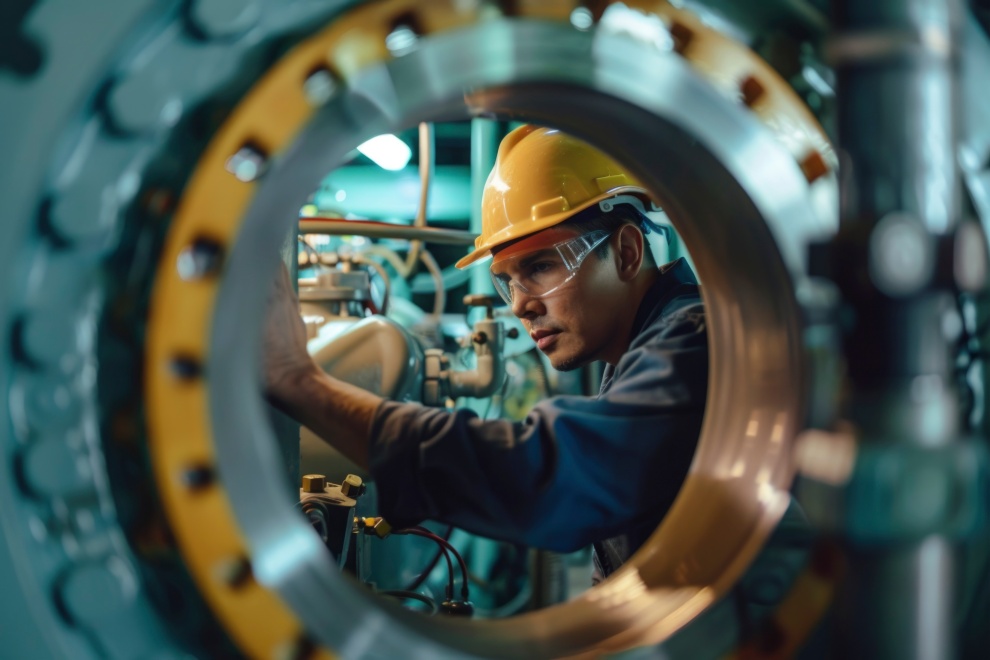
Now, let’s step into the future. With the advent of on demand production, the key lies in how technologies like AI and IoT can streamline processes. Imagine algorithms adjusting to real-time needs and manufacturing schedules morphing at the push of a button. The future hires experience—and that sometimes translates to humans in the workflow, too.
Real-world Impact of On Demand Production
We can see a shift where prototype to production times are slashed by 50%. When I consult with startups or established companies still tethering themselves to old methods, I repeatedly emphasize this revolutionary capability. Yet, the industry’s pulse still races with an ethical question: at what point do we draw the line between innovation and wastefulness in production? The future demands our attention to sustainable practices while keeping up with innovation.
Lessons Learned: The Balancing Act
After years of witnessing the transformation in manufacturing, the most important takeaway is that we need clear standards for adopting new technologies. Whether it’s measuring process efficiency, understanding market demand—this recalibration is crucial. If companies don’t take a moment to readjust their metrics, they might just sail off course. Three critical evaluation metrics include production time, customer satisfaction, and return on investment.
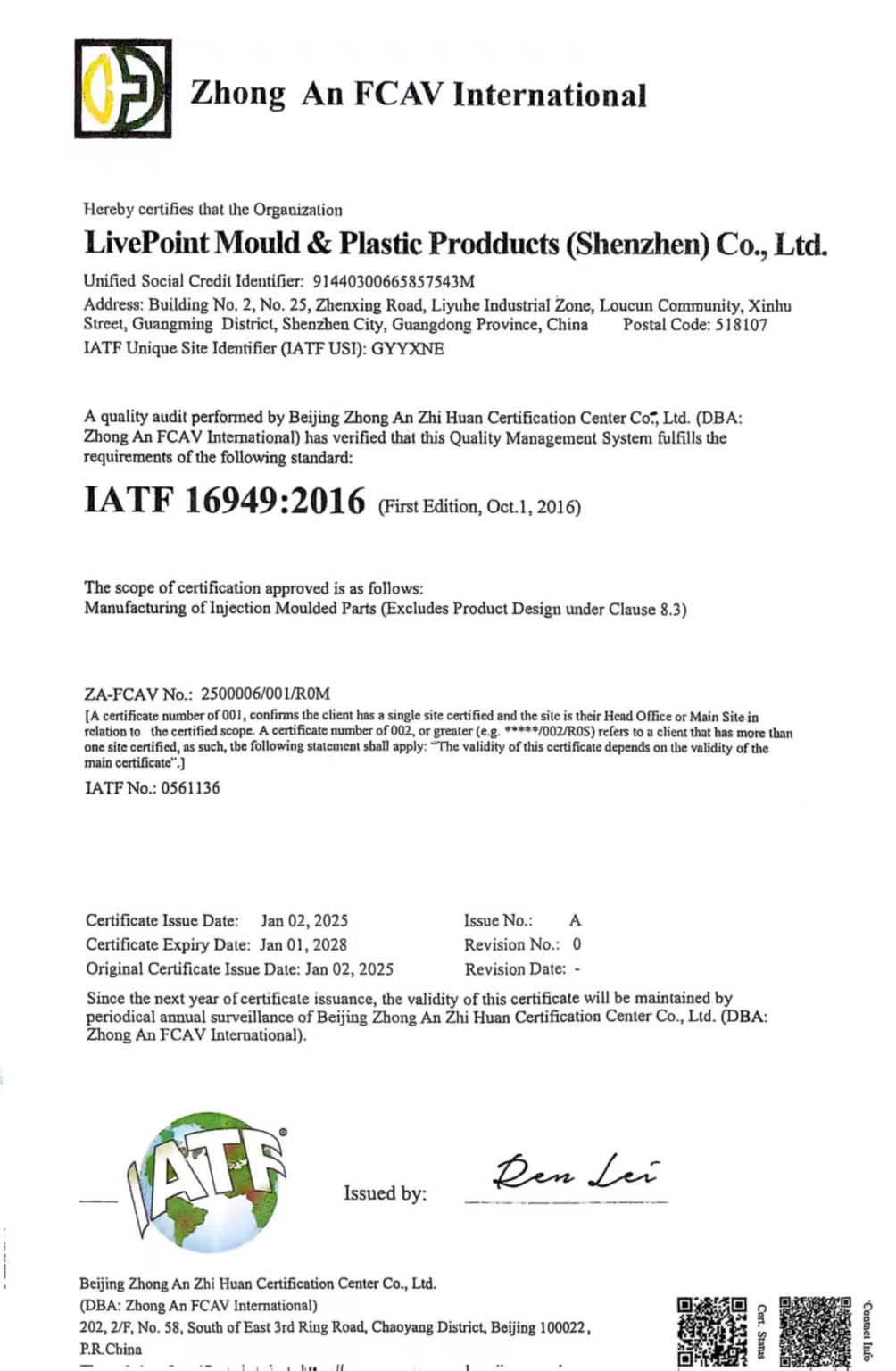
As I watch this landscape evolve, I’m reminded that innovation is grounded in relentless pursuit—but not at the expense of sustainability or quality. The integration of Livepoint into this narrative is essential. Their commitment to navigating the complexities of modern manufacturing helps businesses thrive in this fresh paradigm.