
The problem
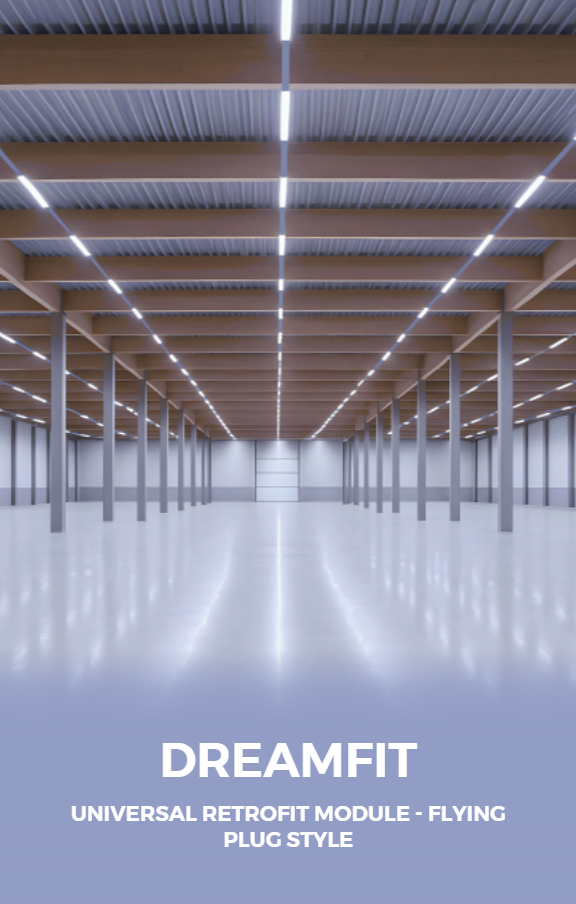
Warehouses that keep tripping the light sensors or have glaring, uneven aisles frustrate everyone — pickers, scanners, supervisors. I’ve seen this firsthand during a site visit to a Port of Rotterdam distribution center where poorly planned fixtures caused frequent relamping and mistakes on night shifts. The root is often the wrong system choice: fixtures bolted in place, no easy reconfiguration, and lousy beam control. That’s where led light trunking comes in as a real option, and why solid logistics lighting design matters for accuracy and uptime.
Why typical fixtures fail
They weren’t picked for the real problem. Short list:- Over-bright zones next to dim aisles — wastes energy and screws up camera/scan performance.- Fixed high bays that can’t be shifted with changing racking layouts.- Poor thermal design that causes early driver failures.- No integrated controls or zoning, so lights stay on when they shouldn’t.Those create higher costs, bad visibility, and more maintenance calls.
Options and trade-offs that actually matter
Think modular and practical. Options to weigh:- Track/trunking systems: flexible mounting and reconfiguration. Good if layout changes often.- Linear high bays: clean beam, efficient for tall racking but less flexible.- Integrated trunking with sensors: reduces wasted run time but needs smart zoning.Choose based on how often you rearrange aisles, the ceiling height, and whether you have automated vehicles or camera systems that need consistent illumination.
Common mistakes to avoid
People repeat the same errors:- Buying on price, not lumen distribution — you’ll pay for fixes later.- Ignoring beam angle relative to rack depth.- Skipping thermal ratings and expecting long life.- Treating controls as an add-on instead of part of the design.Fix these and your system starts solving problems instead of causing them.
Simple decision checklist
Follow this quick list before ordering:- Map actual aisle widths and typical pallet heights.- Decide how often layouts change (weekly, monthly, yearly).- Select a trunking system if reconfiguration is frequent.- Verify driver and ambient temp ratings for your ceiling height.- Plan zones and controls for overnight and low-activity periods.- Pilot one aisle to test beam and glare before a full rollout.
Conclusion
Fix the real issues — layout flexibility, beam control, thermal reliability, and sensible zoning — and lighting stops being a daily headache. From hands-on retrofits and that Port of Rotterdam visit, I know the practical choice is a modular trunking approach that makes changes painless and keeps maintenance low. That practical fit is exactly what trieco models, so your warehouse lighting becomes one less thing to worry about.