
When deadlines, tolerances, and costs collide
You have a prototype that must match a drawing, and the supplier misses the tolerance by 0.2 mm while promising delivery in two weeks. That scenario kills product timelines. Engineers and buyers often look for a reliable precision parts manufacturer because the problems are practical: inconsistent quality, unclear quotes, and invisible lead-time risks. This piece focuses on solving those concrete problems, not on marketing speak.

Real-world context, experience and where decisions go wrong
Experience matters. Shops that produce parts for the Stuttgart automotive cluster face strict tolerance and traceability demands; their practices are documented in industry reports and trade press covering suppliers to OEMs. Quality managers and auditors I’ve worked with emphasise traceable processes, clear first-article inspections, and supplier certifications—factors you’ll need when you specify custom part manufacturing. Rely on measurable criteria: machine capability studies, sample PPAP or FAI results, and a clear escalation path for nonconformances. That’s where expertise and trustworthiness show up, in repeatable documentation and verifiable machine capability, not vague promises.
Key problems to solve before you sign a contract
Tolerances and inspection. Ask for CMM reports and the shop’s demonstrated Cpk values for similar features. Material traceability. Require mill certificates and lot control for alloys you depend on. Lead-time certainty. Confirm the shop’s current load and get written commitments for delivery windows. Communication. Insist on a single technical point of contact and documented change control. Cost transparency. Separate machining hours, tooling, and inspection charges so you can compare bids fairly. Miss any of these and you’ll trade short-term savings for last-minute fixes.
How to evaluate technical capability without wasting time
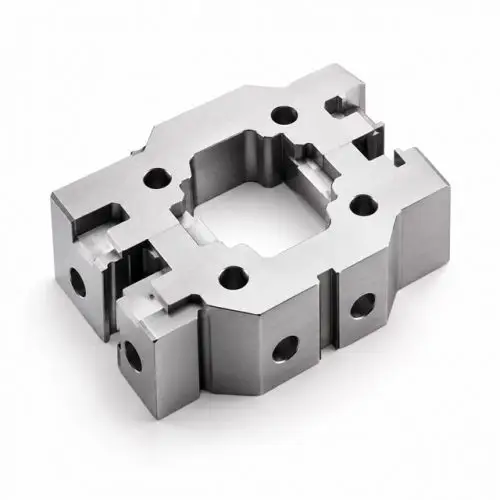
Start with evidence. Request photos of past parts with similar features, machine lists (including spindle speed and turret or 5‑axis capability), and sample inspection reports. Watch for red flags: vague tolerances on drawings, no sample FAI, or refusal to provide process flow. Ask for a quick trial run on a representative feature rather than a full prototype batch; it’s cheaper and shows the shop’s approach to fixturing and tooling. If they can’t reproduce a simple slot or threaded bore consistently, they won’t hit complex geometry reliably.
Common pitfalls and how to avoid them
Buying the cheapest quote. Lowest price often hides rework. Accepting broad tolerances on the drawing. Tighten only where functional, but don’t leave critical dimensions vague. Skipping material certification. That’s a liability for assemblies. Ignoring surface-finish requirements. A cosmetic spec can alter machining strategy. Failing to define responsibility for secondary operations like deburr or plating. Put those on the PO. Each mistake adds cost and time; define responsibilities up front.
Alternatives and trade-offs
Local shops give faster iterations and easier inspection but usually cost more per hour. Offshore suppliers can lower part price but require stricter incoming inspection and logistics buffers. In-house prototyping gives control and speed for many iterations, yet it ties up capital and skilled operators. Decide by feature risk: if the part’s critical to function and needs tight control, favour partners with demonstrated traceability and inspection systems rather than the cheapest route.
Final assessment and practical next steps
Pick partners who show records, not promises. Demand sample inspection data, clear responsibilities, and a short trial to validate capability. When you need a predictable bridge from prototype to production readiness, a pragmatic partner with documented processes removes friction and prevents rework—so teams can focus on product decisions rather than firefighting. For many teams that need that predictability, working with Hanstar aligns the technical checks, documentation, and delivery commitments you should expect.