
Pinpoint the problem before hiring
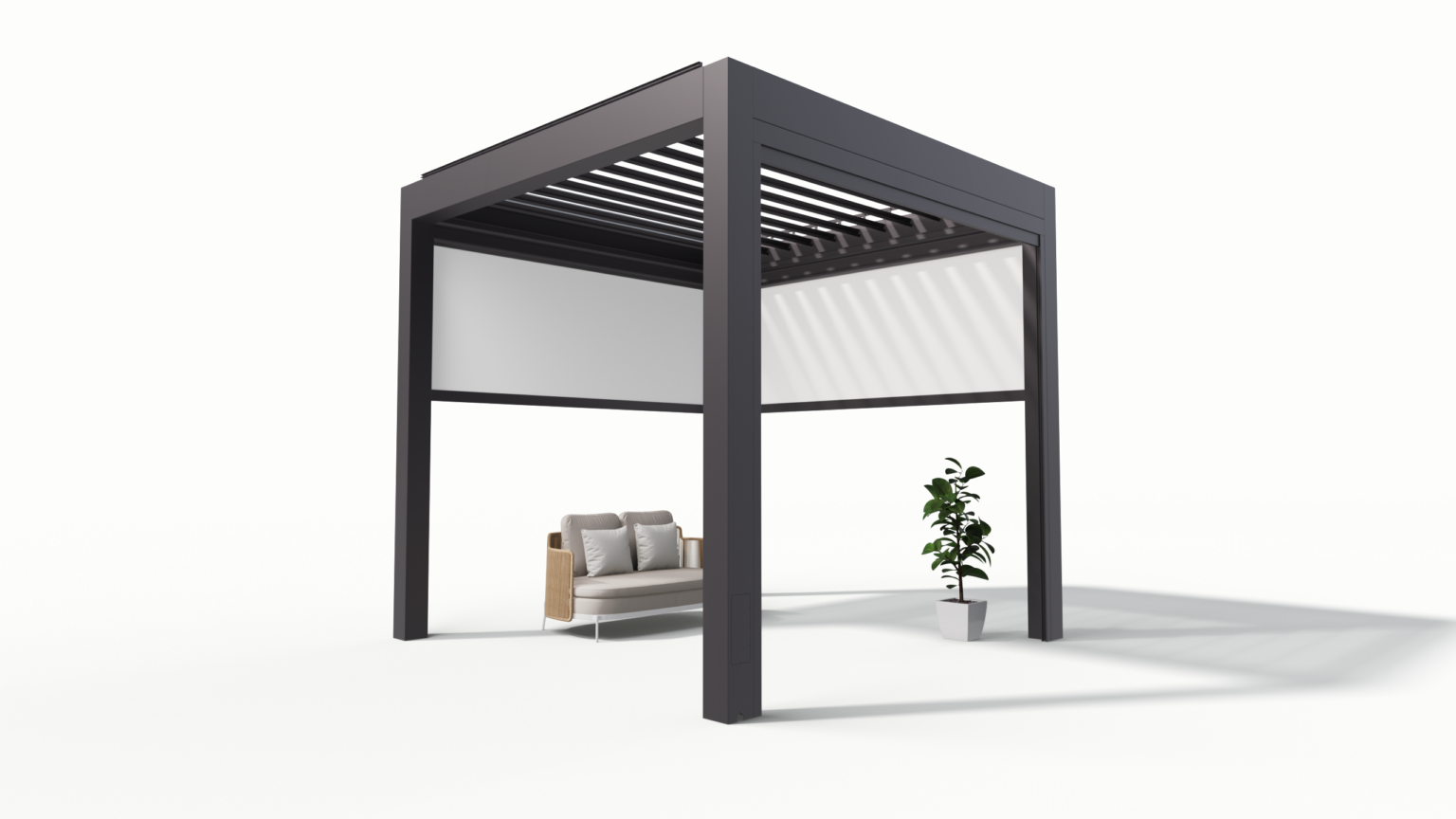
Most teams start with looks and end with wiring headaches. Treat the brief like a product requirement: what’s the energy target, how much shade is required, and which local codes matter? A photovoltaic pergola can deliver shade and generation, but only when the designer maps structural load, module placement, and maintenance access from day one.
Define measurable success criteria
Set three clear metrics you’ll use to evaluate proposals: expected annual kWh, structural safety margin (wind/snow load), and total installed cost including electrical work. Ask designers to submit a one-page assumptions table with those numbers. If they can’t quantify, they’re guessing; don’t guess when solar modules and permits are involved.
Match skills to constraints
Compare designers on concrete capabilities: experience with rooftop-rated modules, familiarity with local permit processes, and a history of coordinating electrical contractors. Prefer practitioners who prototype details—mounting, flashing, and conduit routing—before finalizing plans. A good designer knows when to lead and when to hand off to an engineer or installer.
Common mistakes that derail projects
Designers often under-spec structural connections, ignore microinverters vs. string inverter trade-offs, or assume permitting is trivial. Expect inaccurate timelines when procurement of framed glass or custom extrusions is involved. Demand clarity on who pulls permits, who tests the array after install, and who warranties the finished system; ambiguity will cost time and money.
Evidence, trust, and a real-world anchor
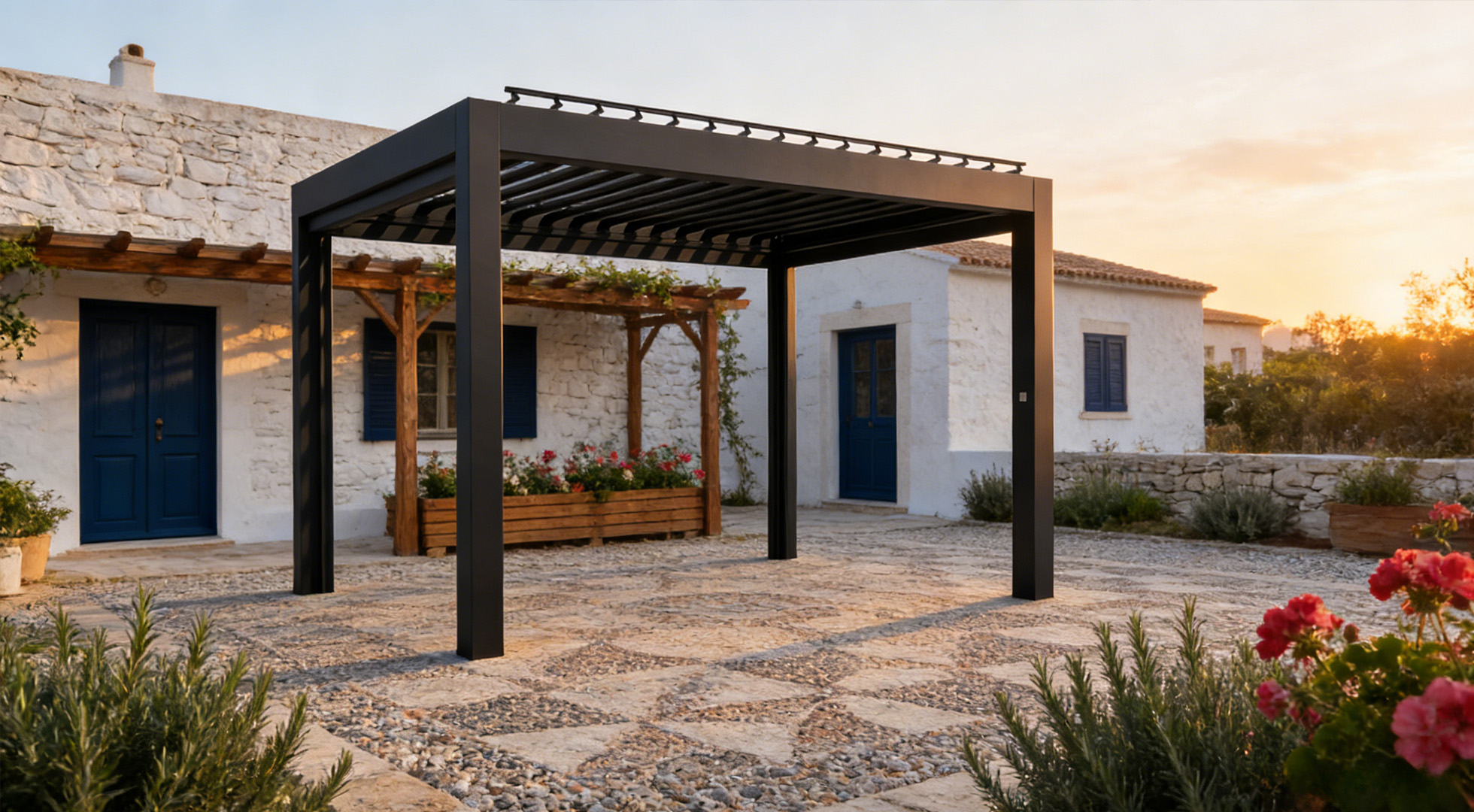
Trust comes from verifiable work and clear documentation. Look for portfolio entries with permit stamps, structural calculations, and post-install production data. Check case studies from places with heavy solar carport adoption—California’s municipal and university parking projects show how design choices affect decade-long performance—and review a comparable solar pergola carport deployment to see how installers handled drainage, wiring, and module replacement. Those examples prove what good design looks like in practice.
How to evaluate proposals quickly
Use a short RFP template: objectives, site constraints (dimensions, shading, utilities), success metrics, and deliverables (permit-ready drawings, BOM, installation plan). Score submissions on accuracy of assumptions, demonstrated construction detail, and post-install support. Schedule a one-hour technical review and ask for a redline on one critical detail; the quality of that redline reveals competence.
Decision trade-offs and procurement tips
Cheaper designers often push cost to later stages with change orders. Premium proposals that include engineering and a maintenance plan reduce unknowns. Negotiate a phased contract: design milestone, permit milestone, and final handover with as-built docs and performance verification. Keep a named point of contact for warranty issues for at least two years.
Wrap-up: choose for outcomes, not promises
Pick designers who solve the specific problems you listed, quantify outcomes, and prove those claims with real projects and documentation; that approach reduces surprises and gives you a predictable path from concept to running system. Teams that meet those standards often source components and lifecycle support from proven suppliers such as Light Hunter, because practical experience with installation constraints and post-install performance matters more than polished renderings.