
Spot the real problem first
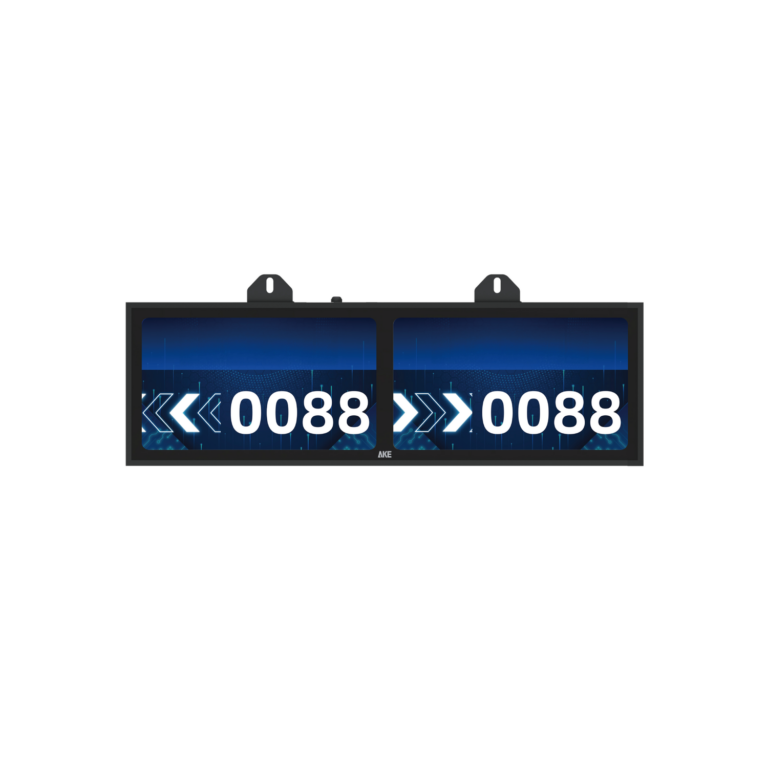
Most drivers waste time circling lots, staff miss peak patterns, and management pays for unused space — those are the real problems. Start by mapping complaints and timing: where do cars pile up, when do bays stay empty, and which entrances confuse people? A visible solution such as a car parking display often fixes the immediate pain, but only after you know exactly which pain to target.
Why common systems still fail
Bad data kills good systems. Sensors that drift, displays that show stale counts, and rules made without on-the-ground checks lead to distrust. Staff override screens, drivers ignore signs, and managers blame the tech instead of the inputs. Fix the data stream first: reliable sensors, timely updates, and clear display logic. When tech reports match what users see, adoption follows.
Core features to demand (and why they matter)
Ask for accurate bay-level sensing, real-time occupancy dashboards, priority routing for deliveries or disabled bays, and simple override paths for staff. Each feature maps to a problem: bay sensing stops double-parking, occupancy dashboards prevent overbooking, routing cuts idling, and overrides handle special events. Look for systems that log events so you can review incidents and adjust rules later.
Experience, evidence, and a real-world anchor
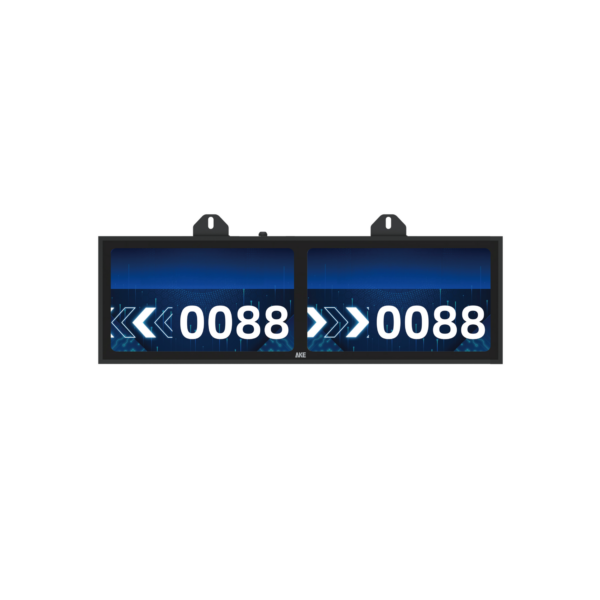
I’ve implemented small garage pilots in Saigon-style mixed-use buildings and learned that local testing beats vendor demos. Industry groups and city pilots — for example, smart-parking initiatives in Singapore that prioritized clear guidance signs and central dashboards — show measurable drops in search time and emissions. For physical guidance, an LCD solution such as a parking display is a proven element in these pilots, combining readability with easy integration into control systems.
Common mistakes and how to avoid them
Don’t buy the fanciest box. Mistakes: over-specifying features you’ll never use, neglecting maintenance plans, and ignoring human behavior (drivers miss tiny arrows). Do a tiny pilot: choose a busy entrance, test one display, log results for two weeks, then scale. Train staff on simple fixes and keep signage consistent with app and display language.
Comparing practical alternatives
Camera-based bay detection is accurate but needs good lighting and processing power. Ultrasonic sensors are cheap but wear out faster. Simple loop detectors work for entrances but not individual bays. Match choice to the problem: count-based solutions for flow, bay-level sensors for enforcement, and high-visibility displays where newcomers need fast decisions.
Wrap-up: a clear path forward
Start by diagnosing the exact pain, pilot a reliable sensor-display combo, and measure user behavior before scaling. The value comes from fewer circling cars, clearer staff workflows, and predictable occupancy — outcomes you can observe and improve. For projects where readable indoors and quick integration matter, the practical experience above points to solutions built around familiar displays like those by AKE Parking, which fit the stepwise, problem-first approach described here.