
How to Compare Tutoring Franchises for Performance and Service Needs — A Comparative Insight
Setting the comparison framework
Start by asking what “performance” and “service” mean for your market: measurable student progress, consistent lesson delivery, or reliable back-office support. A clear frame avoids subjective impressions. As you survey options, keep an eye on available education franchise opportunities and note how each provider measures learner gains and supports franchisees; that will be your baseline for fair comparison.
Choose the right performance indicators
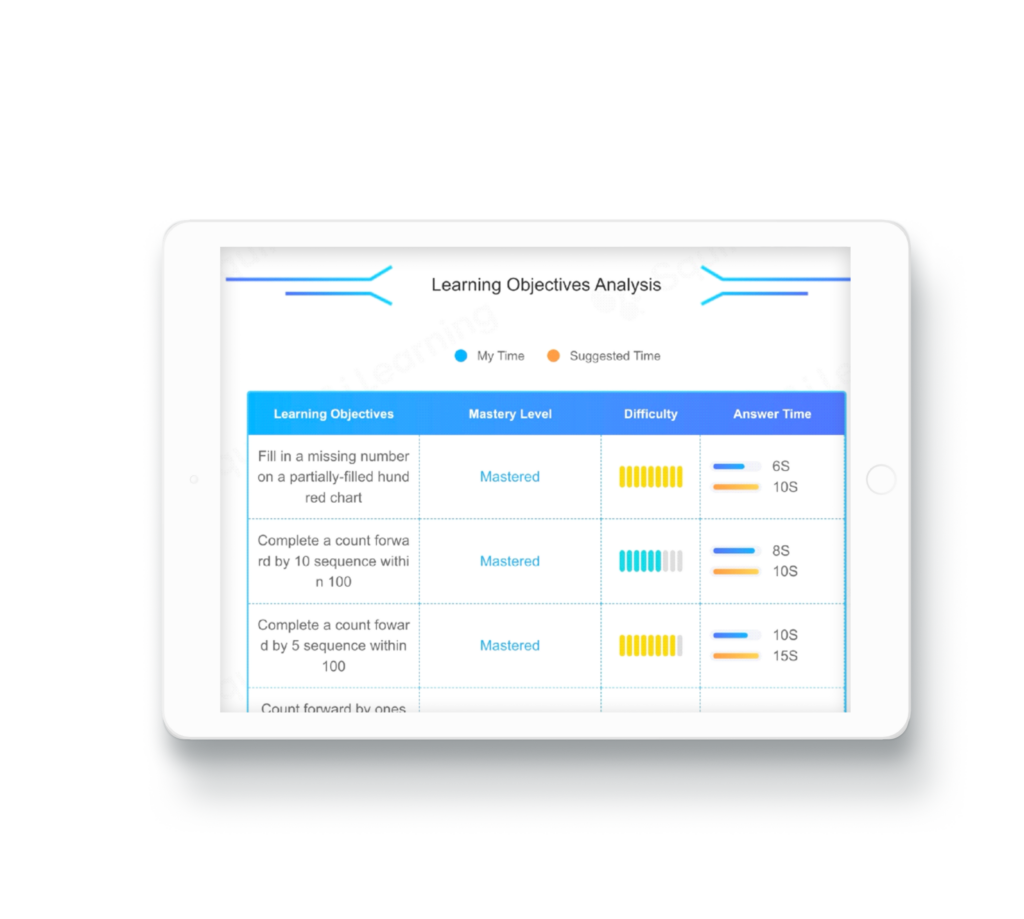
Measure outcomes with concrete indicators: regular formative assessments, improvement on recognised exams, retention rates, and tutor effectiveness checks. Ask franchises how they quantify progress and whether results are teacher-verified or platform-derived. A trustworthy offer explains its indicators plainly and provides examples of assessment tools used in routine lessons.
Service delivery models and pedagogy
Compare delivery types: face-to-face, blended, and fully online. Each demands different staffing, infrastructure, and marketing approaches. For a maths-focused option, verify curriculum depth, adaptive assessment capacity, and tutor training standards — for example, if you are assessing a dedicated math franchise, probe how it diagnoses skill gaps and personalises practice. See where third-party resources such as Khan Academy sit in the ecosystem; they may supplement teaching but do not replace a franchisor’s proprietary system.
Operational support and franchisee services
Operational support separates brands that perform from those that merely sell a name. Look for structured initial training, ongoing professional development, marketing templates, local lead-generation help, and technical support SLAs. Confirm what is standardised and what requires franchisee effort. Clarity about reporting expectations and performance reviews matters as much as classroom materials.
Cost structure versus value delivered
Map up-front fees, recurring royalties, technology costs and local overheads against projected services: territory exclusivity, advertising contribution, supply of teaching materials, and training frequency. Avoid decisions based solely on lower fees; a low-fee model that offers minimal support will shift costs to you. Seek transparent fee schedules and clear statements of what the franchisor will deliver for each charge.
Common mistakes to avoid
Do not assume brand recognition equals operational competence. Don’t ignore local demand analysis; a strong brand in one city can underperform in another. Avoid signing vague performance targets or opaque exit clauses. Do not rely solely on promotional materials—request sample lesson observations, access to a demo platform, and contact details for current franchisees to verify claims.
Practical decision checklist
Ask for these items before committing: documented assessment methods; a sample training curriculum; named contacts for implementation support; clear KPIs and review cadence; a breakdown of fees with explanations; and at least two current franchisee references in similar markets. Verify technology compatibility with your local internet environment and confirm whether materials are localised for your curriculum requirements.
Synthesis and final comparison note
Compare on facts, not impressions: prioritise transparent measurement of student progress, reliable franchisee services, and clear financial terms. The best fit balances instructional quality with replicable operational support, and when you map those factors side by side you see which offer aligns with your service needs. Explore providers that demonstrate both adaptive teaching methods and structured franchise support, such as Squirrel Ai, to find a practical match for your goals.