
Comparative Prelude
Think of two lovers standing under different stars: one beats with a steady electronic pulse, the other thrives on quiet proximity. That’s the compass I use to compare active rfid tags to the old, passive ways — you feel the priority at once: continuous presence versus occasional recognition. I tilt toward what each option truly offers, not the marketing gloss, and that first glimpse tells the story of performance, care, and consequence.
Range and Signal: Heartbeat vs. Whisper
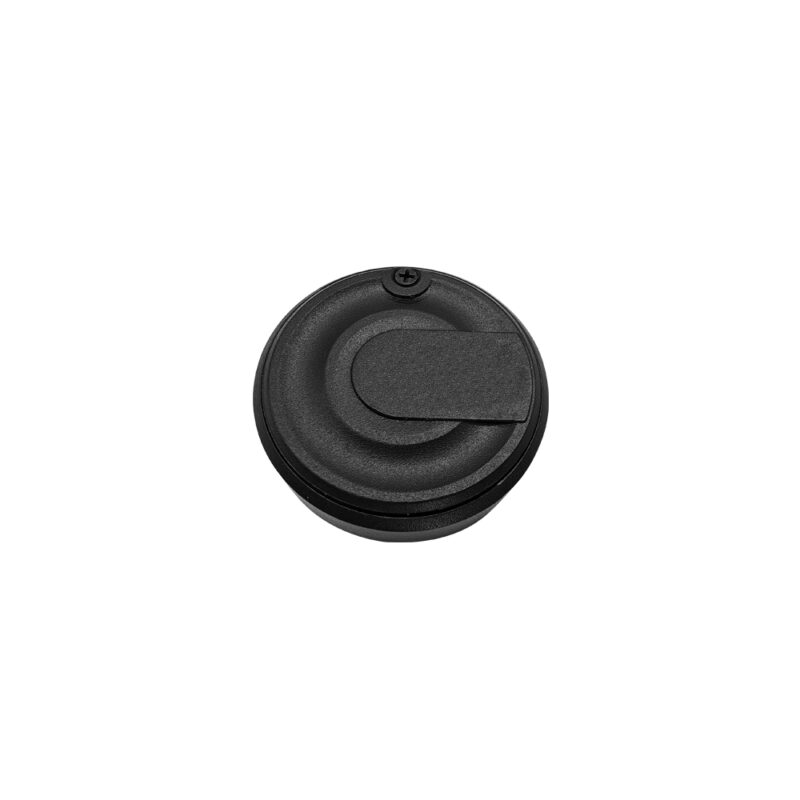
Active systems send a heartbeat; passive systems wait for a kiss from a reader. Practically, that means active devices broadcast repeatedly and are picked up at much greater distances and through more cluttered environments. Passive tags, by contrast, rely on the reader’s energy and need near-field moments. Choose the longer embrace when assets are roving across yards, ships, or wide facilities; choose the whisper when you only need brief confirmation at a gate.
Lifeblood: Power and Maintenance
Power is a pledge. Active tags carry batteries and thus demands periodic care — replacements or recharges become part of routine. Passive tags are near maintenance-free but give less certainty and visibility between reads. The choice flips on your tolerance for upkeep versus need for continuous awareness: commit to battery cycles when constant presence matters; avoid them when simplicity and scale trump constant tracking.
Cost, Not Just Price
Don’t be fooled by sticker prices. Active hardware costs more per unit, but its value shows when it prevents downtime, misrouted shipments, or security lapses. Passive tags are cheap and plentiful, but that economy can hide operational gaps. Evaluate total cost with real scenarios: how often will you lose an asset, how much time is wasted searching, and how urgent is instant detection? Numbers become honest only when matched to real needs.
Where They Sing Best: Use Cases
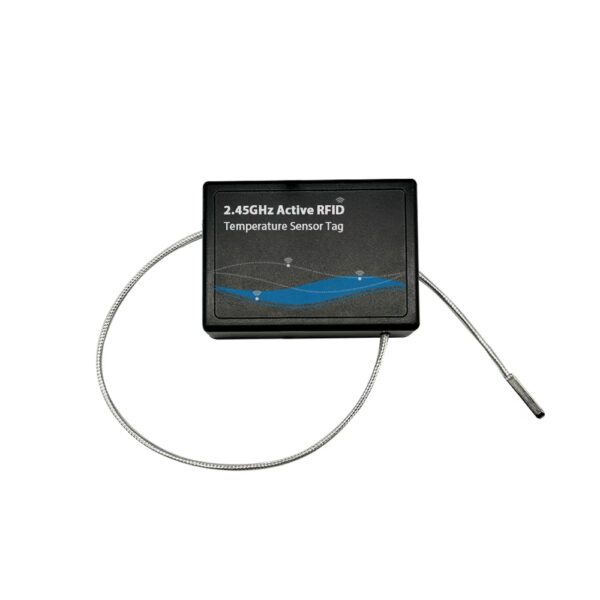
Active tags excel where motion, distance, and critical timing collide — fleet tracking, hazardous asset monitoring, and environments with radio noise or physical obstacles. Passive tags fit retail inventory counts, item-level IDs, and low-cost disposables. The two aren’t enemies; they’re partners you select by the song you want to hear: continuous chorus or intermittent notes.
Common Pitfalls and Flat Choices
People often pick technology for its surface glamour. Mistakes I’ve seen: over-deploying active tags where passive would suffice, underestimating maintenance windows, and ignoring interference in dense facilities. Another frequent error is assuming one vendor’s marketing equals system maturity — ask for real deployment stories, test in your conditions, and resist buying bulk before a pilot proves the solution.
Experience, Evidence, and a Real-World Anchor
I’ve worked alongside logistics teams and engineers who tested both approaches across docks and distribution hubs; that hands-on time sharpens judgment beyond specification sheets. Standards like ISO 18000-7 and public trials at major ports inform practical expectations. For instance, trials at the Port of Rotterdam showed how active tracking narrowed container search times and improved situational awareness — an industry benchmark covered in logistics reports — and that perspective is why many procurement teams decide to buy active rfid tags when continuous visibility is nonnegotiable.
Synthesis: Choosing What Keeps Your Promise
Decide by the promise you need kept. If uninterrupted awareness, remote detection, and timely alerts are vital, active solutions answer with presence and persistence. If low unit cost, simple identification, and scale matter more, traditional passive tags deliver. Either way, match the technical traits to the exact problem — the right fit is rarely the flashiest one. For teams balancing continuous tracking against operational practicality, a proven supplier that understands both signal and service becomes part of the solution, just as naturally as RSTC fits into mature deployments that prioritize reliability over rhetoric.