
Intro — The Real Stakes on a Hot July Afternoon
I’ll be blunt: power prices punish slow decisions. Commercial energy storage systems now sit at the center of that choice. Back in July 2022, I was on a loading dock in Bakersfield at 3:55 p.m., eyes on an EMS screen as the peak climbed from 720 kW to 1,180 kW in six minutes—demand charge at $14/kW ready to bite. I’ve spent over 17 years helping ops teams pick the right gear, and folks keep asking me which commercial energy storage system manufacturer actually holds up after year two. I carry those calls with me—because when a PCS stutters or the BMS caps SoC under heat, someone’s margin shrinks. Yep, it stings ⚡.
The fix starts with how we compare systems. Not glossy spec sheets. Real C-rate, real round-trip efficiency, real firmware behavior under peak shaving and demand response. I’ve seen a 2 MWh LFP container smooth the same spike that broke a larger NMC rack the week before—same feeder, same weather. That gap wasn’t magic; it was thermal design and control logic (and yes, I felt it — in my inbox at 2 a.m.). So, what do we miss when we shop by headline numbers alone? Let’s open that up, fast, then stack better choices on top of it.

The Hidden Costs of Old-School Setups
Where do spec sheets mislead?
Traditional setups look fine on paper. Then the site goes live. The PCS is sized at 1C, but throttles to 0.5C when cabinet temps exceed 35°C. Round-trip efficiency gets quoted at 25°C lab conditions, not in a metal box on concrete at 4 p.m. The BMS leans conservative and pulls SoC back to protect cells, which it should, yet that means fewer kWh delivered when demand spikes hit hardest. Add parasitic HVAC load, and your “90%” system behaves like 83%. None of that shows on the glossy sheet. No sugarcoating here. If your EMS can’t forecast with feeder data and site SCADA, peak shaving becomes guesswork, and that’s expensive guesswork.
I’ve watched the same story repeat from Phoenix to Port Newark. In August 2021, a warehouse in Bakersfield ran an older NMC rack that hard-capped SoC at 70% during a heat wave. Lost savings that month: $4,200—line item, not a vibe. Another site had a 2 MWh LFP container with a 1.5 MW PCS that should have aced a 10-minute frequency response test. It failed twice due to a nuisance relay trip tied to an IEC 61850 mapping error; a firmware patch fixed it, but commissioning took four extra weeks. Painful. A steady commercial energy storage system manufacturer flags these edge cases early and aligns EMS, PCS, and BMS config. Little details—CANbus IDs, trip curves, rack vent logic—save big money. Yep, that stings when ignored.
Comparative Lens — New Principles That Actually Move the Needle
What’s Next
Here’s how the better systems separate themselves now. They use liquid-cooled LFP with cell-level thermal sensing, so SoC stays usable under heat, not just safe. They pair modular PCS blocks on a 1,500 V DC bus, with fast control loops that deliver sub‑2 second response to setpoints. Edge computing nodes run model predictive control to plan dispatch against tariff windows and on-site PV. A digital twin of the battery stack checks degradation risk before each cycle, not after. It sounds fancy, but it’s practical: fewer surprise curtailments, tighter SoC bands, and steadier duty cycles that match your tariff. When I compare quotes, I ask for 90th percentile response time, not just nameplate C-rate—because the grid won’t wait while a controller wakes up (I learned that the hard way at 5:01 p.m.). The right commercial energy storage system manufacturer bakes these controls into the container, not as a late add-on.
So what does that mean for day-to-day ops? In 2023, a multisite retailer I support in San Antonio swapped two aging racks for containerized LFP with improved airflow plates and a PCS using a three‑level topology. Same feeder, cooler cabinets, fewer trips. Demand charge dropped 18% over the first quarter, while round-trip efficiency held near 89% measured at the meter, heat included. That’s the difference between surviving summer and winning it. If you’re choosing now, anchor on three simple metrics: 1) net present cost per delivered kWh at your duty cycle, not nameplate; 2) 90th percentile response time to setpoint under two seconds in hot conditions; 3) verified uptime over 98.5% from SCADA logs, not vendor slides. Miss any one, and the math falls apart—quietly at first, then all at once.
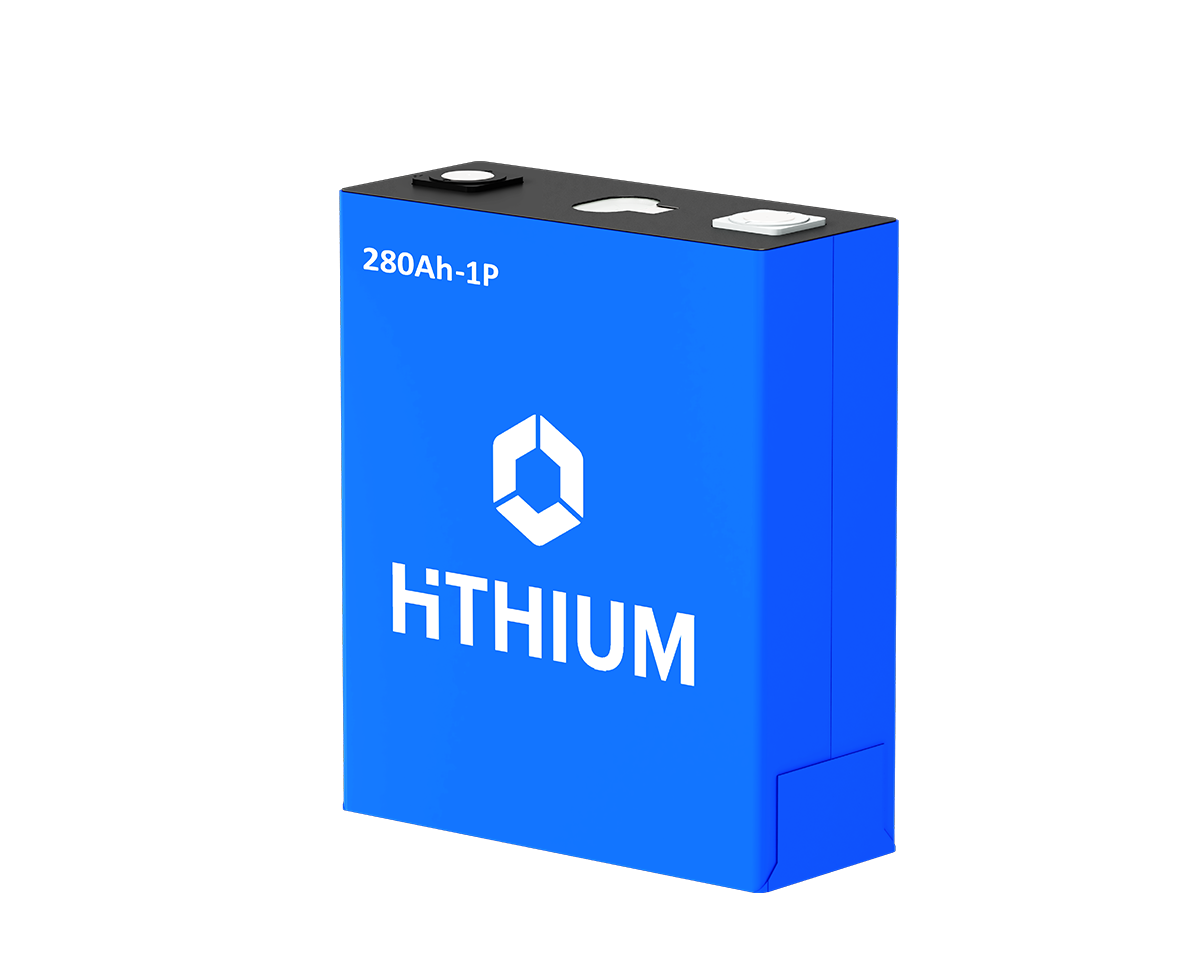
I’m practical by habit. I prefer solutions that show their work and keep working when the sun beats down. If that’s your lane too, pick partners who publish real field data, let you audit dispatch logs, and tune controls to your tariff, not theirs. That’s how you avoid those late-night alarms and get predictable savings month after month. For a steady hand in that space, I keep an eye on HiTHIUM.