

Imagine walking into a beautifully lit room, where the ambiance instantly catches your eye. According to recent studies, lighting can significantly affect our perception of space and mood. Yet, many people overlook the nuances involved in selecting quality lighting solutions—especially when it comes to low voltage LED strip lights. What if I told you that the wrong LED strip could not only drain your wallet but also diminish your lighting design?
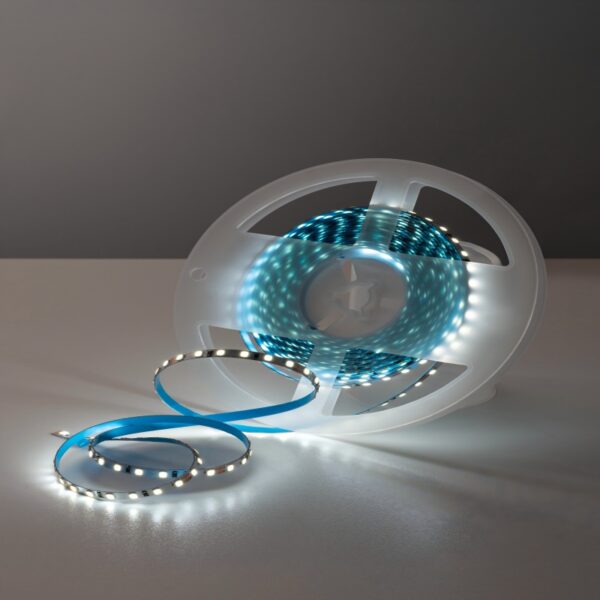
The Challenge of Selection
When I first dipped my toes into the world of LED lighting, I encountered various challenges. I remember a particular project in 2018 where the client wanted vibrant colors for their theme party. I opted for an inexpensive lighting option, only to find out later that the strips didn’t produce the desired brightness and often flickered. Such pitfalls can come from not understanding the specifications, and it’s vital to recognize that not all low voltage LED strip lights are created equal.
What Are Common Discrepancies?
Common discrepancies arise in brightness levels (measured in lumens), color temperature, and power consumption. For instance, a strip rated at 120 LEDs per meter may promise certain output, but without knowing the voltage, it could lead to disappointment. Most entry-level strips might claim high lumens but can often produce a washed-out effect. That’s a hard lesson learned—one that I share with colleagues frequently.
Looking Ahead: Innovations in Low Voltage LED Technology
The landscape of low voltage LED technology is exciting. As I explore new offerings on the market, I can’t help but notice how advancements are solving many of the problems past users faced. Take color accuracy, for example. Modern strips now boast a high Color Rendering Index (CRI), meaning colors appear truer to life under their glow. This has made a drastic difference for commercial spaces, where imagery and branding depend on precise color representation.

Additionally, the emergence of compatible smart home integrations allows users to tailor their lighting experience (think dimmers and color changes), directly from their smartphones. It’s empowering. The ease of pairing with apps can turn a simple LED lighting project into a dynamic showcase. I’ve seen firsthand how incorporating low voltage LED strip lights that work seamlessly with smart home systems has transformed residential spaces, creating a customizable environment.
Real-world Impact: The Future of Lighting
Ultimately, the impact of choosing the right low voltage LED strip lights can be profound. With higher efficiency and smart capabilities, we can achieve energy savings and powerful lighting solutions. Remember, not all strips fit every application. I recommend asking whether you really need high color saturation for a living room—a place where relaxation reigns supreme—or for a workspace where focus is key. These are critical considerations.
As we move towards more sustainable and efficient lighting solutions, understanding how to choose wisely will save consumers not just frustration, but also resources in the long run. Knowledge is power, and I firmly believe that better education around products can lead to smarter purchasing decisions.
In conclusion, whether you are upgrading your home decor or revamping a commercial space, every detail matters. Think about how you want your environment to feel and look. I always suggest evaluating the specifications, considering the technical aspects, and aligning them with your creative vision. If you’re in the market for a reliable option, consider brands that you can trust, such as Aiyu. It’s all about making informed decisions—and that, my friends, will brighten your outlook significantly.