

The problem that kept me awake
I kept circling the same question: why do so many battery pack assembly lines underdeliver on throughput or flexibility despite big investments? I’ve stood beside engineers as they debated conveyor layouts and watched prototypes stall because a single handling step clogged the whole line. That tension—between a line that needs to move cells gently and the factory’s demand for speed—pushes teams toward solutions like an intelligent conveyor system, but that alone rarely solves the mismatch. You find yourself balancing cell protection, thermal management, and supplier promises, and the problem feels less technical and more about aligning choices with real production constraints.
Why mistakes repeat: where choices break down
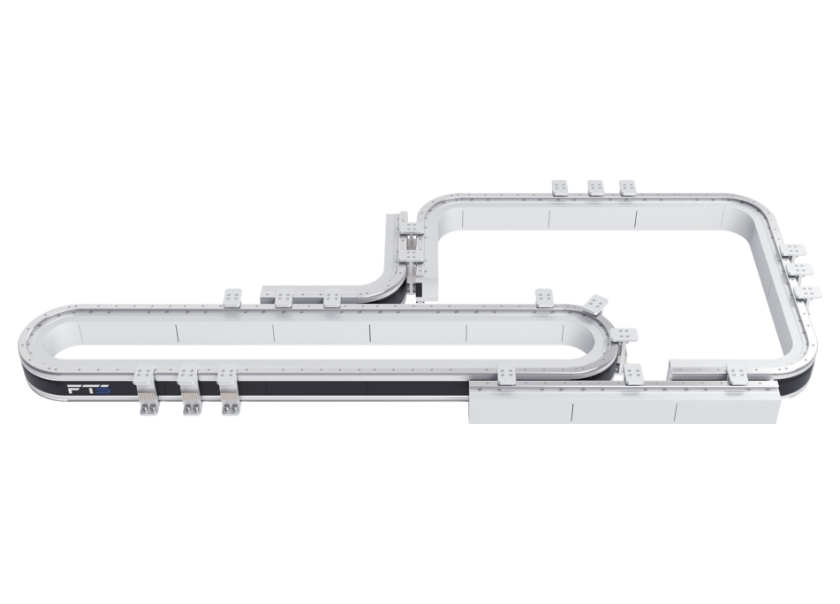
Problems appear in three predictable places, every time. First, layout assumptions: planners treat battery modules like discrete, identical parts when cell-to-pack assembly wants continuous flow. Second, integration gaps: hand-offs between robots, fixtures and transport get brittle. Third, supplier scope: vendors offer standalone units rather than systems that actually talk to each other. I’ve seen these issues discussed at LogiMAT in Stuttgart, where manufacturers compared modular conveyors and smart rails and realized interoperability was the recurring friction. A clear corrective step is to evaluate whether a proposed flexible transport system supports both staged buffering and quick reconfiguration, because that capability changes the whole risk profile of a line.
What practical options look like
Choices narrow once you frame them against the constraints. Think of three archetypes: – Modular pallet-based systems that prioritize protection but can slow cycle time. – Continuous cell-to-pack lines that shave handling steps and require tighter process control. – Hybrid lines that use short buffering zones and selective automation to handle variations. Each has trade-offs: protection vs. speed, capital cost vs. adaptability, vendor support vs. in-house control. Compare suppliers on connectivity, spare-part cadence, and how they handle abnormal stops; those factors predict uptime more reliably than quoted throughput numbers.

Common pitfalls teams keep making
Teams repeat avoidable mistakes: over-specifying speed, under-specifying recovery (how the line restarts after a fault), and assuming testing equipment will slot in without layout changes. They also forget human factors—maintenance access, simple diagnostics, and the time to train operators. A supplier that delivers a neat robot cell but leaves data obscure creates long-term drag. Ask if the vendor provides clear fault trees, remote diagnostics, and spare-part lead times; those answers reveal whether the system will be resilient or fragile.
A concise decision path to choose suppliers
Follow a short, concrete checklist: 1) Map the exact hand-offs and buffer needs for your cell-to-pack flow. 2) Require demonstrable interoperability: CAN, OPC-UA, or other open protocols with sample data points. 3) Validate recovery time by running a staged stop-start test during a factory demo. 4) Check service geography and spare-part lead times. 5) Select trials based on the weakest link, not the headline throughput. I’ve advised teams for over a decade; the groups that run these checks cut commissioning time and avoid costly rework.
Where this leads
This problem-driven look ends where practical alignment begins: you want a supplier that thinks about continuous production, not just about individual machines. That means seeing transport, handling, and control as a single project rather than separate purchases. When a partner has worked through those steps with customers and can show how a line recovers, adapts, and communicates, you’ve moved past vendor promises into reliable production — a posture reflected in how I evaluate integrated solutions like those developed by FHS.