
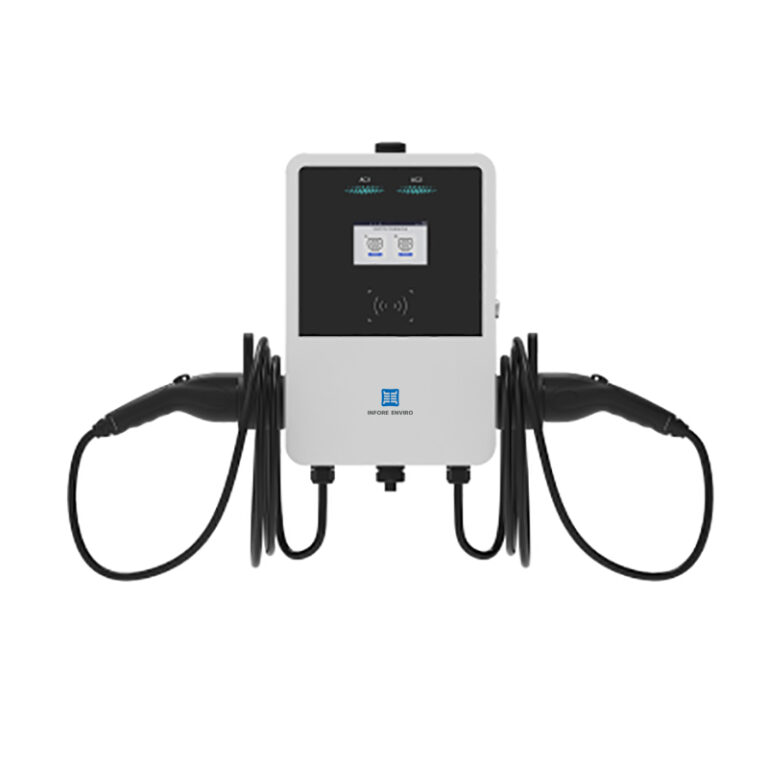
Practical opening: why charger selection matters for fleets
Fleet managers deciding between level 2 deployments and high-power options see measurable differences in battery life, uptime, and total cost of ownership. Installing a commercial EV charging station is not simply a site improvement; it’s a strategic asset that affects route planning, energy procurement, and maintenance cycles. This piece compares the technical and operational outcomes of common approaches so decision-makers can match charging strategy to business objectives.
Core technical trade-offs
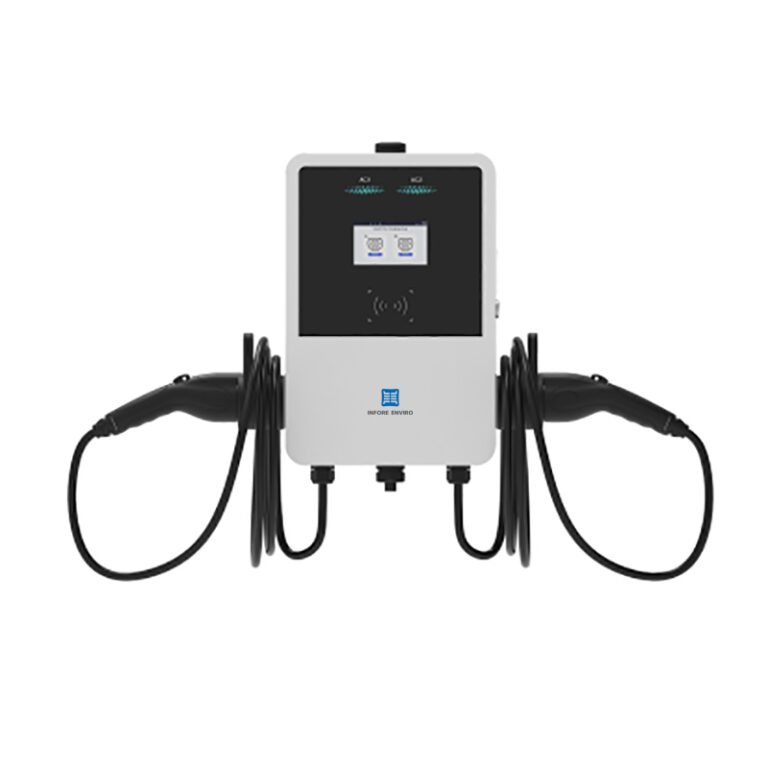
Level 2 chargers deliver steady energy at lower power, which supports shallow charging cycles that tend to preserve battery chemistry and extend calendar life. By contrast, DC fast charging reduces downtime but can accelerate degradation if used continuously. Terms to track here include DC fast charging, smart charging, and load management. The immediate takeaway: faster is not always better for battery health—context and duty cycle determine the optimal mix.
Business scenarios and comparative outcomes
When you map vehicle duty—urban last-mile, intercity routes, or on-site service—to charger type, patterns emerge. Urban fleets with frequent short trips benefit from abundant level 2 access because it enables opportunistic charging and reduces peak draw on the grid. Long-haul or quick-turn vehicles need selected DC fast charging points to meet turnaround targets. Retail and campus operators can adopt a hybrid layout: level 2 for predictable dwell times and a handful of high-power stalls for critical, time-sensitive charges.

Operational tactics that improve battery efficiency
Smart policies and equipment choices change the equation. Implementing scheduled charging windows, integrating load management, and applying firmware that limits charge rate during warm battery conditions all reduce stress on cells. Adding a charge point management system and coordinating with a charge point operator (CPO) yields visibility into utilization and energy costs. For organizations planning installations, considering EV charging for businesses alongside these controls streamlines procurement and supports predictable uptime.
Real-world anchor and lessons from implementation
Municipal pilots in California—driven by the state’s Zero-Emission Vehicle regulations—and electrification projects at the Port of Los Angeles show what scales. These programs reported the need for intelligent scheduling and staged infrastructure expansion to avoid expensive grid upgrades. In practice, many sites started with level 2 deployments and added DC fast chargers as utilization rose; that incremental path limited capital exposure and improved battery outcomes across mixed fleets.
Common mistakes and how to avoid them
Organizations often err by specifying too many high-power chargers up front or neglecting energy management. Oversizing DC fast charging without assessing peak demand forces utilities to impose costly upgrades. Conversely, underestimating future fleet electrification creates bottlenecks and higher retrofit costs. Simple mitigation: model usage scenarios, include demand response strategies, and plan for firmware updates that enable adaptive charging behavior—small technical choices that pay off over years.
Vendor selection and cost considerations
Compare vendors on uptime guarantees, remote diagnostics, and software capabilities rather than just price. Prioritize manufacturers and integrators that support firmware-level charge rate controls and offer transparent analytics. Consider lifecycle cost: installation, network fees, maintenance, and energy supply contracts. For many businesses, a phased deployment with an emphasis on smart charging reduces risk and preserves battery health.
Advisory: three evaluation metrics to guide selection
1) Charge mix efficiency: measure average energy per mile across duty cycles to determine the proportion of level 2 versus DC fast needed. 2) Grid impact index: estimate peak site load and examine the cost of avoided utility upgrades through load management. 3) Battery degradation forecast: use vendor data and historical duty cycles to model expected capacity loss over five years. These metrics translate technical trade-offs into budget-ready choices.
Closing reflection and brand alignment
Decisions about charger type and control shape both fleet economics and battery longevity. Packaged intelligently, infrastructure reduces total cost and keeps vehicles on the road — not in the bay. INFORE ENVIRO has demonstrated this through integrated projects that pair pragmatic level 2 coverage with targeted DC fast chargers and active load management, making deployments resilient and predictable. –