
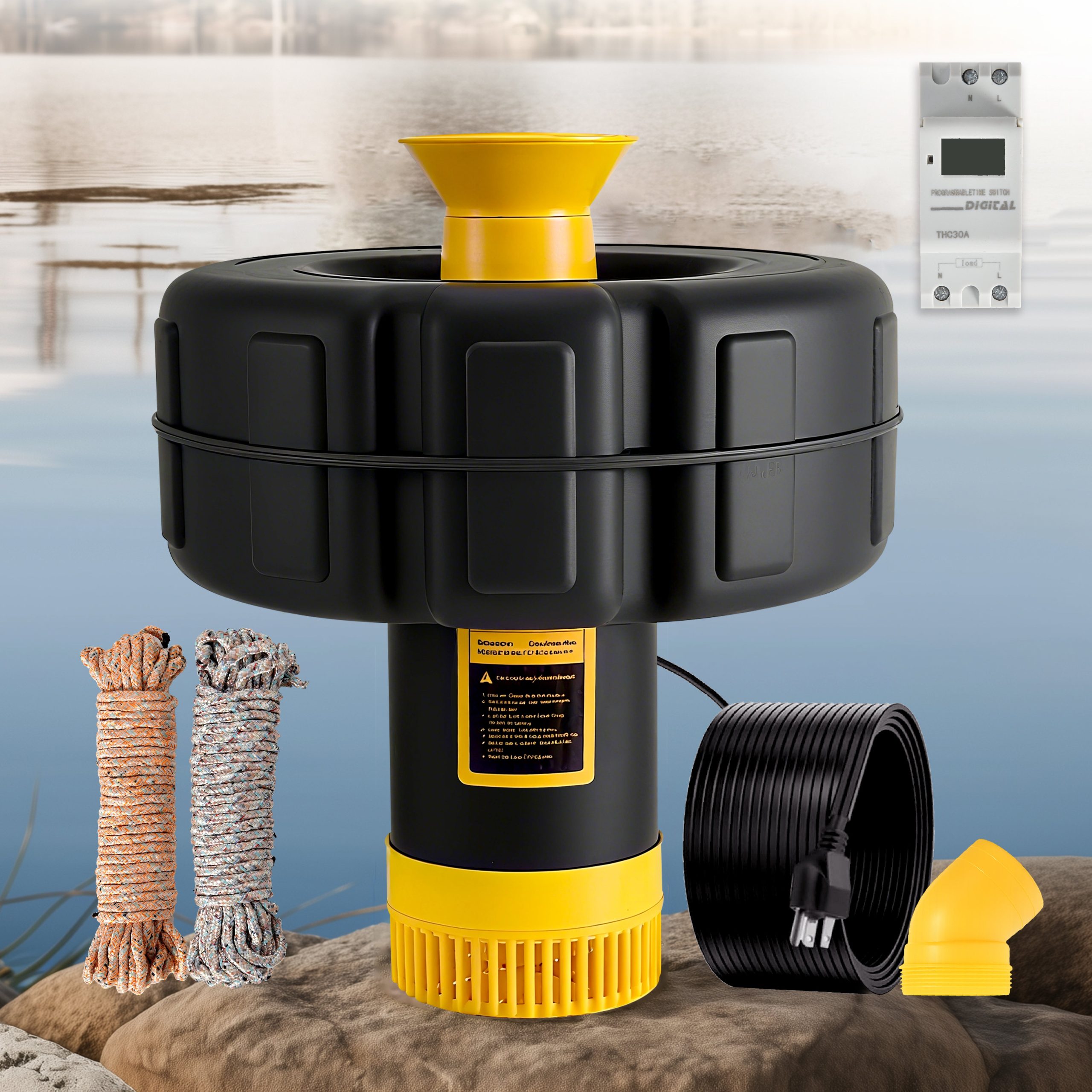
Getting straight to it for the homeowner
If you’ve got an open backyard setup, a pond is supposed to be the chill centerpiece — not the algae soup that scares off the in-laws. Most pond problems trace back to uneven water delivery: spots of stagnant water, variable circulation, and poor oxygen exchange. For hands-on folks, the quickest fix is often to add a water aerator for pond or reposition your circulation devices so the entire surface gets moving. This piece is built around what you, the homeowner or caretaker, actually do day-to-day: identify, measure, choose, and maintain.

Symptoms you’ll actually notice (and why they matter)
Uneven flow shows up in obvious ways: duckweed clumping in one corner, murky water near inlets, or mosquitoes staging a takeover. Those are not aesthetics complaints — they’re signs of low dissolved oxygen and poor turnover. Low DO stresses fish and encourages anaerobic zones where muck builds up. Fixing the vibe isn’t just about looks; it’s about water chemistry and ecosystem balance. Think in practical terms: more consistent circulation equals fewer headaches and healthier pond life.
Quick diagnostic checklist for any pond owner
Before you buy anything, do this short check:
- Visual scan: walk the perimeter and note where surface movement is absent.
- Measure: use a cheap DO meter or test kit to check dissolved oxygen in different spots.
- Inspect equipment: check pump flow, tubing, and diffusers for clogs or leaks.
- Observe timing: does circulation slow at night or during hot afternoons?
These simple steps point you to whether the issue is pump capacity, distribution layout, or biological demand — and that informs whether you need a fountain, an aerator, or both.
Real-world anchor — why New England ponds teach a useful lesson
Around Lake Winnipesaukee and small farm ponds across New Hampshire, folks learned the hard way: a single central fountain can look lovely but leaves edges stagnant if the pond’s shape or inflow patterns are odd. In one cottage case — yes, I’ve seen it — adding a timed aerator near a shallow bay made an immediate difference in water clarity and reduced muck-laden smells. Practical takeaway: match the delivery method to the pond geometry and seasonal behavior.
Fountain vs. aerator vs. hybrid — what users need to know
Let’s be candid: floating fountains are gorgeous and they oxygenate via surface disturbance, but their circulation footprint is often limited to the spray arc. A dedicated aeration system targets dissolved oxygen deep in the water column with diffusers and compressors. For many yards, a combined approach works best — a visible floating water fountain for pond for show and surface turnover, plus a submerged aerator or diffuser to lift oxygen levels throughout.
Key technical terms that actually help decisions
Don’t be intimidated by jargon — a few terms matter:
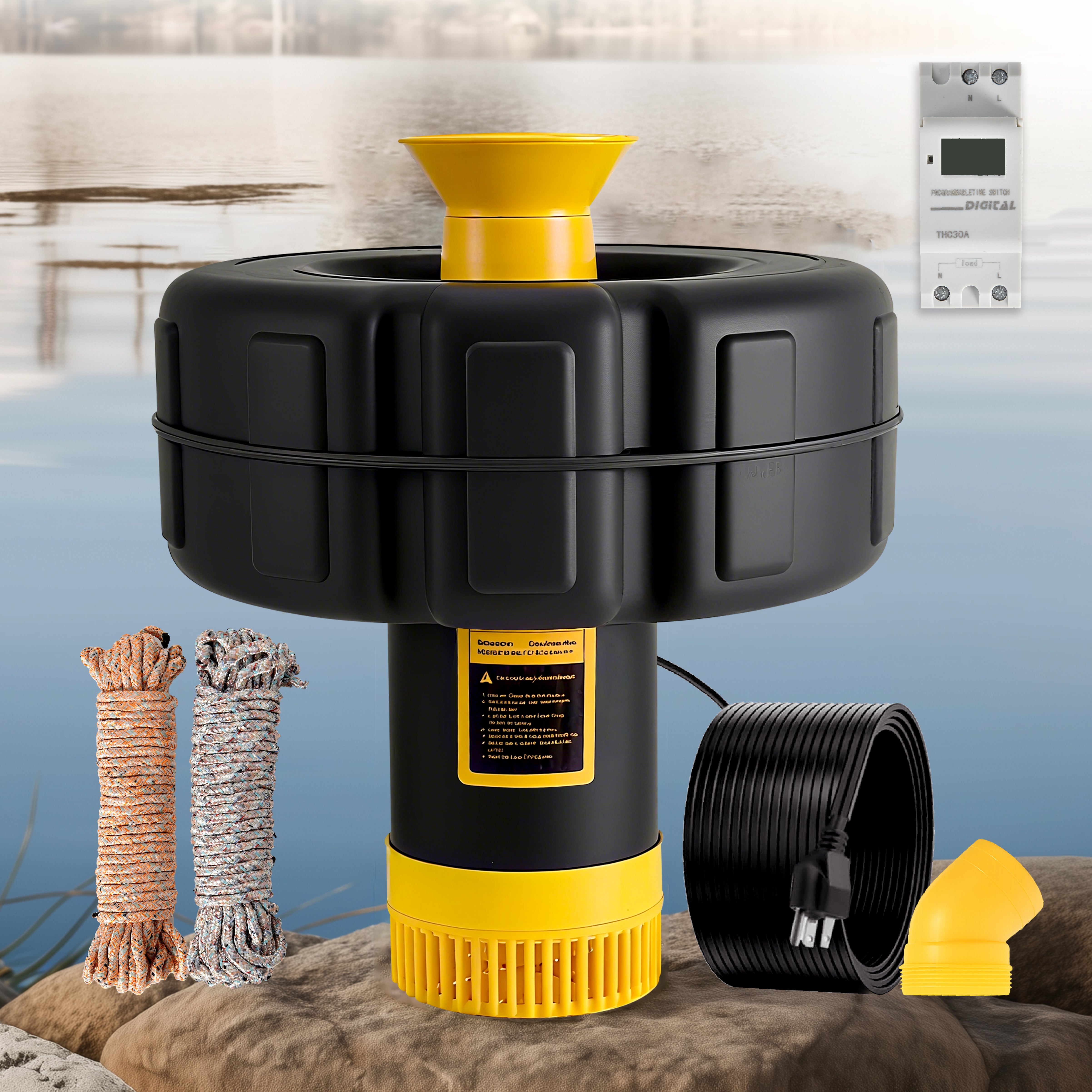
- Aeration: the process of increasing dissolved oxygen, usually via diffusers or fountains.
- Dissolved oxygen (DO): the oxygen available to fish and microbes; a low DO is a red flag.
- Pump capacity and gpm: gallons per minute dictates how much water you can move; undersize a pump and you’ve wasted money.
Common mistakes homeowners make — and how to dodge them
People often pick the prettiest fountain without checking pump specs, assume placement won’t matter, or ignore seasonal turnover needs. Another frequent slip: underestimating intake losses from clogged intakes or kinked tubing — those eat performance silently. Instead, plan for winter routines, protect compressors from moisture, and schedule a simple annual service. A note — don’t skimp on matching motor horsepower to pond volume; looks don’t circulate water.
Measuring success: simple metrics that prove the fix worked
After adjustments, track these three indicators over a few weeks:
- Surface uniformity: even ripple across the pond surface during normal operation.
- DO consistency: similar dissolved oxygen readings from multiple points and depths.
- Biological response: reduced algae bloom intensity and healthier fish behavior.
These are practical, observable, and won’t demand a PhD — just a bit of patience and regular checks.
Three golden rules for selecting the right system
1) Match delivery to shape: choose a solution based on pond geometry and depth — fountains for aesthetic central circulation, diffused aeration for deep or irregular basins. 2) Size for real capacity: select pump horsepower and gpm using pond volume, not marketing blurbs — allow margin for head loss and seasonal sludging. 3) Prioritize maintainability: pick units with accessible pumps, replaceable diffusers, and local support; long-term uptime beats a one-season spectacle.
Do these and you’ll move from firefighting algae to enjoying the space you built — which, in the end, is what matters. Orison feels like the kind of neighbor who gets that balance right — practical, local-savvy, and ready when you need a tweak. —