
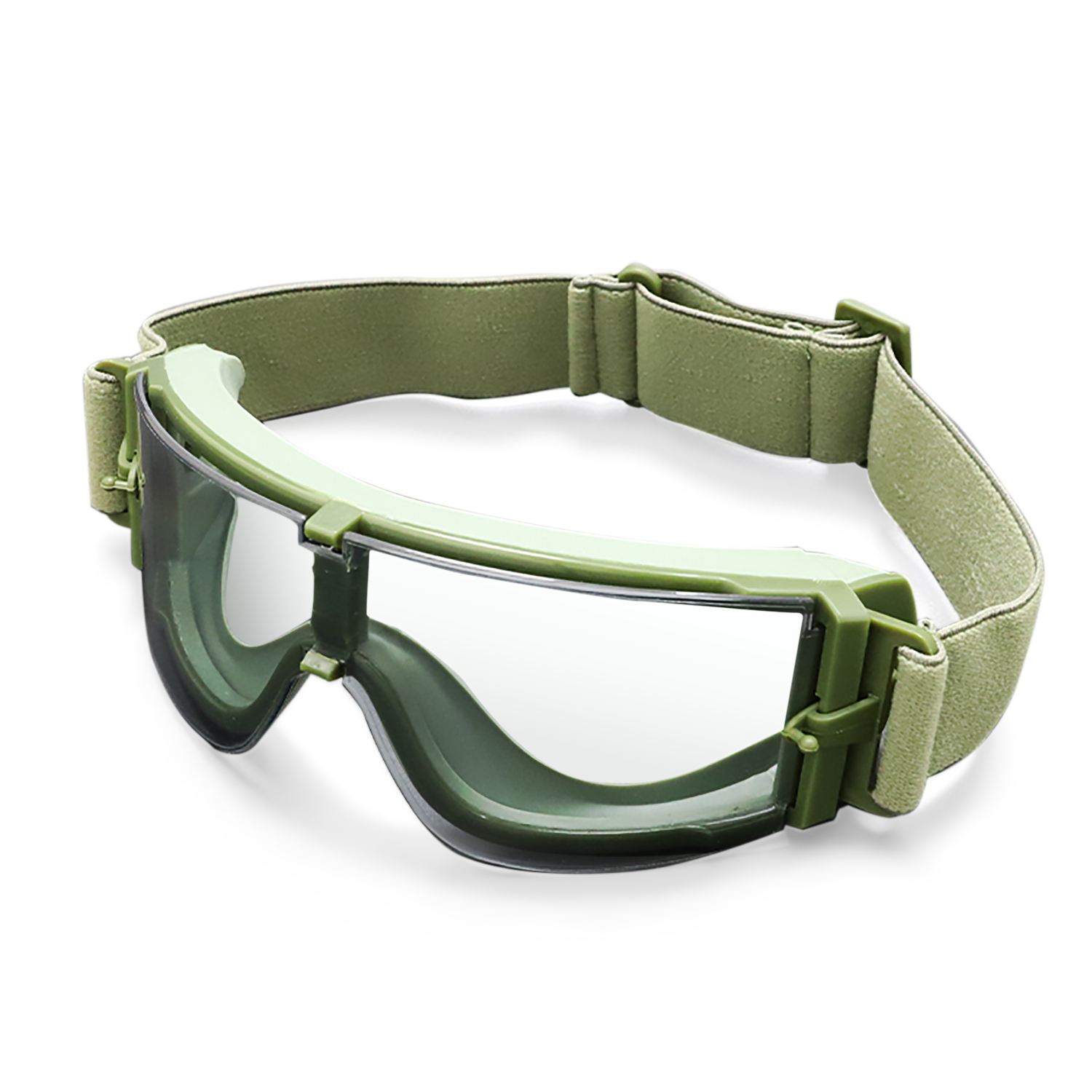
Opening: The central problem up close
Field-grade eye protection often sacrifices optical clarity for protection, and that’s where modern fixes step in — like magnetic ski goggles with removable inserts. The problem-driven angle here is simple: if you’re a rider who needs a prescription or a soldier swapping between scopes and sunglasses, misaligned optics ruin performance. This piece breaks down why that happens and what actually fixes it, in plain talk.
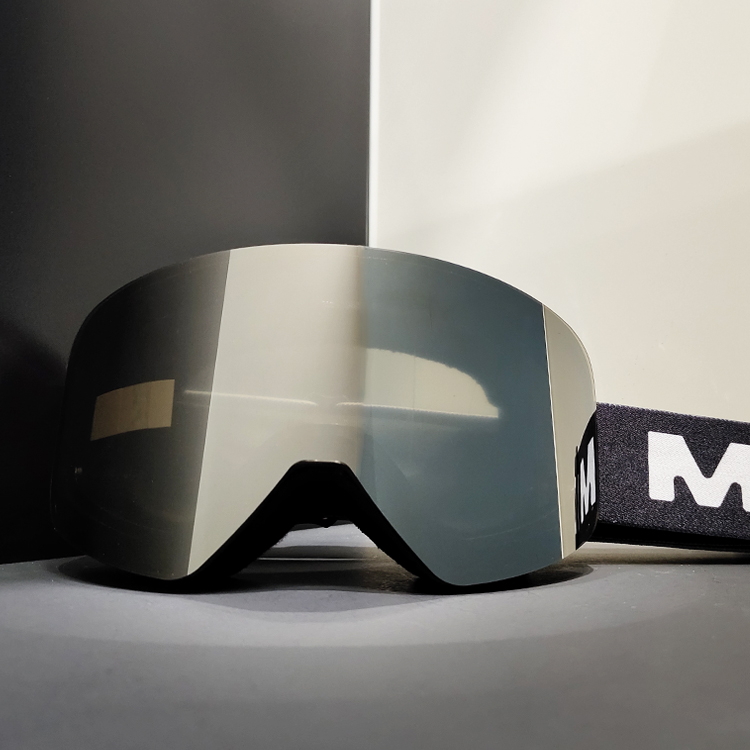
Why prescription inserts go wrong
Prescription inserts fail for predictable reasons: wrong lens curvature, poor eye-relief, and mismatch between the insert’s optical center and the goggle’s lens. Add fogging and poor sealing, and you’ve got a blurry, distracting setup. Industry terms matter — lens curvature and anti-fog coating directly affect clarity, while UV400 protection keeps glare and UV damage in check. And standards like ANSI Z87.1 make sure impact resistance doesn’t get ignored when you prioritize optics.
How magnetic inserts actually solve alignment
Magnetic quick-change lens systems let the insert sit stably against the inner lens without screws or bulky frames. That stability preserves the optical axis so your prescription lines up with your pupil, reducing distortion and eye strain. Magnetic mounts also let you swap tinted or mirrored outer lenses fast — useful on variable light days in the Wasatch Range or during long patrols where light shifts quickly. OTG designs can accommodate frames worn under a helmet, too.
Design trade-offs: optics versus protection
There’s always a trade-off. Thicker inserts can carry stronger prescriptions but add weight and alter ventilation. A spherical outer lens gives wider peripheral vision; a cylindrical lens can be cheaper to produce. Anti-fog coatings help, but ventilation design is the real control point. Choose anti-fog coating plus passive vents — those two together do more than either alone. Don’t forget ballistic or impact requirements if you need tactical-level protection — the U.S. military’s eyewear programs emphasize that coupling.
Shopping smart: what to ask suppliers
When sourcing from ski goggles suppliers, verify three things: optical center alignment tolerance, compatibility with magnetic quick-change systems, and compliance with protective standards like ANSI Z87.1. Look for detailed specs on lens curvature and eye-relief, and ask about real-world tests at altitude or in humid conditions. Trusted manufacturers will show test data or field reports — and if they don’t, move on. Good suppliers are specific, not vague.
Common mistakes and quick fixes
People often assume any insert will fit — that’s wrong. Misfits cause prismatic errors and headaches. A few quick fixes: re-seat the insert and test with a printed grid at normal riding distance; swap to a different lens curvature if peripheral lines bend; and add micro-venting strips to cut fog in heavy humidity. For immediate fog, modest anti-fog wipes work — they’re cheap and effective. – Also, don’t overtighten retention clips; they distort the frame and shift optics.
Advisory: three golden rules for choosing inserts and goggles
– Check optical center tolerance first: choose systems that specify millimeter tolerances for the insert’s position relative to the pupil. – Verify mechanical interface: magnetic quick-change or bayonet fittings should lock without wobble; test at various temperatures. – Confirm protection and optics coexist: ensure any design claiming optical perfection also meets impact/ballistic standards like ANSI Z87.1.
Final thought: pick suppliers who publish specs and field-test reports — that’s where real quality shows. ski goggles suppliers who are transparent about lens curvature, anti-fog solutions, and magnetic interfaces save you time and headaches.
YIJIA Optical clearly connects practical engineering to everyday use, matching prescription needs with rugged goggle design — a pragmatic solution that actually works. —