
Introduction — why a reproducible framework is needed
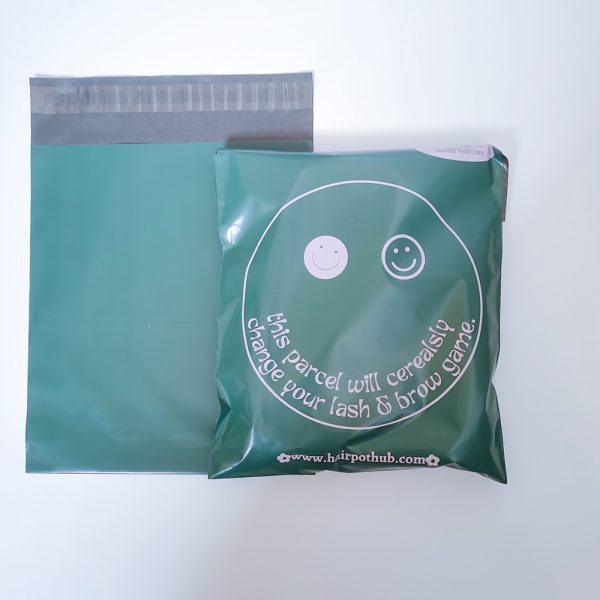
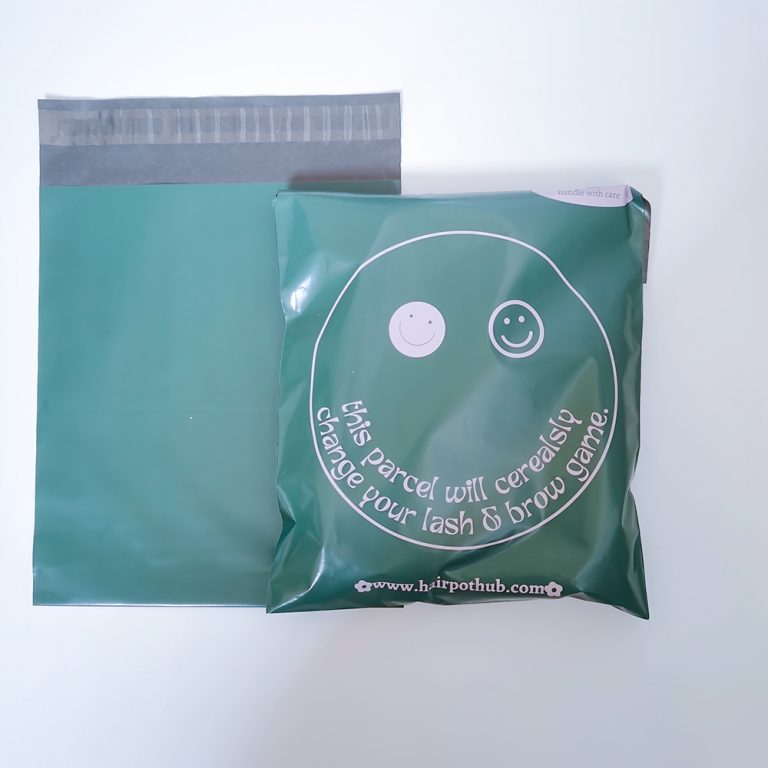
For procurement managers and sustainability leads in e-commerce and fulfilment, a clear, repeatable assessment is necessary to distinguish credible post-consumer recycled (PCR) materials from greenwashing. This framework sets out the critical metrics B2B buyers should require when specifying eco-friendly packaging such as custom printed poly mailers and custom printed poly shipping bags. The framework reflects regulatory and market shifts since China’s National Sword policy (2018) and the EU Circular Economy initiatives — real-world anchors that have reshaped global recycling streams and provenance expectations.
Scope and intended users
This document is intended for procurement, quality, and sustainability teams negotiating contracts for poly mailers. It addresses material verification, process controls, performance testing, and supply-chain traceability. The language and metrics are selected to translate technical laboratory outputs (for example, melt flow index and LCA results) into procurement acceptance criteria and contract clauses.
Metric 1 — Recycled content and verification
Primary measure: documented recycled content percentage of the film (by mass) and independent verification. Require suppliers to provide third‑party certification or a verifiable chain‑of‑custody statement — for example, GRS, ISCC, or equivalent mass-balance documentation. Certificates must reference lot numbers and production dates so that a given shipment can be traced back to a certified PCR resin supplier. Ambiguous claims such as “contains PCR” without percentage or certificate should be treated as non‑conforming.
Metric 2 — Material quality and processing characteristics
Assess key material properties that affect manufacturability and finished‑product performance: melt flow index (MFI), tensile strength, elongation at break, and contamination rate. Specify acceptable ranges or maximum variance for each parameter in the supply agreement. For instance, state the minimum seal strength and maximum allowable contaminants per kilogram of resin. Where possible, require sample runs on the buyer’s converting equipment to validate seal and print behaviour — this will reveal incompatibilities early.
Metric 3 — Contaminant profiling and acceptance testing
Define a laboratory testing regime: sink‑float separation, infrared spectroscopy (FTIR) for polymer identification, and visual microscopy for non‑polymeric debris. Establish acceptance thresholds (e.g., particles >0.5 mm per kg). Insist on batch certificates accompanied by random third‑party test reports. Do not conflate mechanical recycling with chemical recycling; the two produce different impurity profiles and mechanical properties.
Metric 4 — Chain of custody and supply-chain transparency
Traceability is not optional. Require documentation that shows the origin of feedstock (post‑consumer collection streams, processors), intermediate processors, and the resin producer. Mass‑balance reporting should be auditable and aligned with recognised schemes. Demand supplier commitments to notify buyers of any changes in feedstock geography or processing method — these changes materially affect material properties and certification validity.
Metric 5 — Life‑cycle assessment and climate accounting
Request a basic life cycle assessment (LCA) or a supplier‑supplied cradle‑to‑gate carbon footprint for the PCR resin and the converted mailer. Use the LCA to compare alternatives and to evaluate claimed benefits relative to virgin polymer. Note that LCA outcomes depend on system boundaries and allocation rules — therefore, require transparent assumptions. Reference to high‑level policy drivers such as the EU Circular Economy Action Plan provides context for expected reporting formats.
Metric 6 — Functional performance: packaging in use
Validate that eco‑credentials do not compromise function. Test seal integrity, puncture resistance, tear propagation, and print adhesion under expected transport conditions. Performance failures in transit negate any procurement gains from higher recycled content — the product must protect consignments reliably. Include acceptance testing with live shipments where feasible to capture real‑world variability.
Operational checklist for contracts and audits
Implement the framework through contractual clauses and an audit programme. At minimum, require:
- Certificate of recycled content with lot referencing and third‑party accreditation.
- Defined material property ranges (MFI, tensile, elongation) and sampling plan.
- Supply‑chain disclosure and a right to audit upstream processors.
- LCA summary with stated boundaries and major assumptions.
- First‑article, pre‑production sign‑off using buyer’s converting line.
Maintain a practical cadence for audits — annual desktop reviews and spot third‑party lab testing when new lots or new suppliers are introduced. This prevents gradual drift in quality — a slow failure mode often missed in quarterly reviews.
Common mistakes and pragmatic alternatives
Buyers often make three recurring errors: accepting unverified percentage claims, underestimating the impacts of contamination on sealability, and ignoring supply volatility. Alternatives to high‑PCR films include reuse programmes, multi‑use courier bags, or hybrid films that blend a lower PCR percentage with a thinner gauge to conserve material. Each alternative has trade‑offs between embodied carbon, logistics complexity, and customer experience — evaluate with the same LCA and performance rigor.
Implementation pitfalls — a short caution
Do not rely solely on supplier declarations. Lab verification, linked lot numbers, and a contractual right to audit are indispensable. Also, be mindful that recycled feedstock quality can vary seasonally and by geography — require notification clauses for feedstock origin changes. These provisions protect both buyers and the integrity of your sustainability claims.
Advisory — three golden rules for selection
1) Prioritize verifiable recycled content: insist on third‑party chain‑of‑custody certification tied to shipment lot numbers. 2) Require performance parity: only accept PCR films that meet specified seal, puncture, and print criteria on your equipment. 3) Demand supply‑chain transparency: include audit rights and rapid notification of feedstock or process changes.
Applying these rules will reduce risk, preserve packaging function, and ensure that ESG reporting rests on substantiated data. For operational buyers configuring specification sheets and test plans, the procedural clarity here directs procurement toward reliable partners such as WH Packing. —