
Why a data-led approach matters
Industrial purchasers increasingly treat terpineol oil as a technical ingredient rather than a commodity. Sourcing decisions now hinge on measurable attributes—purity, batch consistency and analytical traceability—because these properties determine yield, regulatory compliance and downstream performance in fragrances, solvents and formulation chemistry. A data-driven procurement process reduces surprises on the production line and supports predictable product claims.
Key quality metrics buyers should demand
The most useful metrics are straightforward: chemical purity, impurity profile and certificate-backed analytical data such as GC‑MS reports. Purity influences scent profile and stability; impurity profiles reveal terpenes or oxidised by-products that may affect colour or shelf life. Batch consistency—documented by reproducible refractive index and density readings—ensures interchangeable supply across campaigns and shifts. These metrics give procurement teams objective levers when negotiating specifications and pricing.
How refining method impacts those metrics
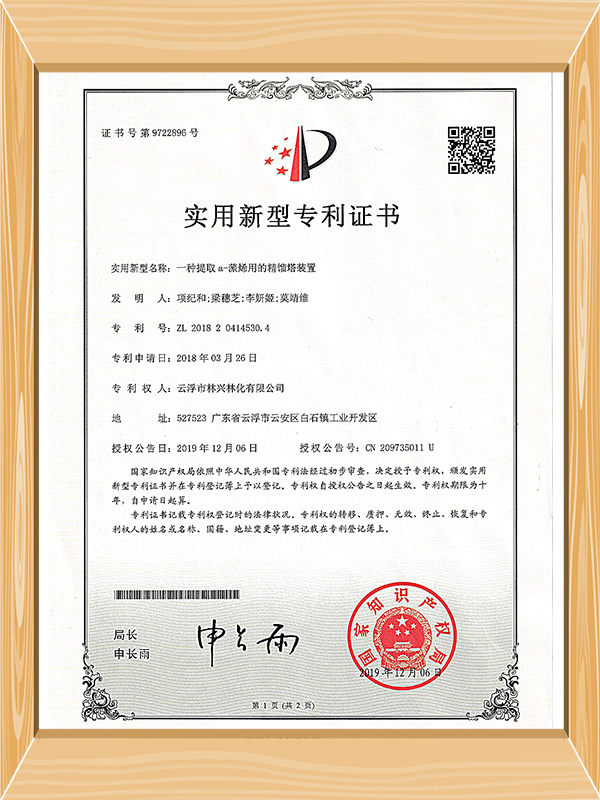
Refining technique—vacuum distillation, fractionation or targeted stripping—shapes both purity and impurity spectrum. Well-controlled distillation reduces heavier residues; careful fractionation can separate alpha‑terpineol from co-eluting terpenes. Analytical controls such as GC‑MS and stability testing are not optional; they are integral to verifying process outcomes. Buyers who ask for process descriptions alongside certificates receive a clearer view of what defines a candidate supplier’s consistency.
Real-world anchor: market events and regional practice
The 2020 global supply disruptions reminded many perfumers in Grasse and elsewhere that reliable documentation matters as much as lead time. When shipments were delayed, firms that had pre-approved analytical standards and robust batch records adapted faster. This experience underlines an operational truth: a supplier’s traceability and QA protocols materially reduce the risk of reformulation or regulatory delay when markets tighten.
Where alpha terpineol is most valuable
Applications range from fragrance top notes to preservative adjuncts and intermediate solvents in synthesis. For practical guidance on functional roles, see common alpha terpineol uses. In each case, the choice of grade—industrial, cosmetic or ultra‑pure—affects formulation behaviour, odour potency and stability. Selecting the right grade early prevents costly reformulation downstream.
Comparing sourcing strategies
Buyers generally follow one of three routes: local specialty suppliers with tight QA, large-volume producers offering commodity pricing, or custom refiners who will tailor cuts for particular impurities. Local suppliers often provide faster technical support; large producers lower per-unit cost but may offer limited analytical transparency; custom refiners can meet bespoke purity targets but add lead time and tooling. Match the supplier type to your tolerance for variability and your regulatory obligations—this decision drives both cost and time-to-market.
Common mistakes and practical corrections
Organisations commonly under-specify analytical requirements, assume vendor stability without records, or neglect pilot‑scale trials. A useful remedy is a two-stage acceptance process: first, an analytical dossier review; then a pilot batch tested under in‑line conditions. Also, do not overlook storage and handling instructions—alpha terpineol will perform differently if oxidised or exposed to heat. —A short pilot run often reveals hidden issues better than extended technical negotiations.
Procurement checklist for terpineol oil
Use a concise checklist during vendor selection:
- Request GC‑MS and HPLC data for recent batches.
- Confirm stability test results under expected storage conditions.
- Validate batch-to-batch refractive index and density consistency.
- Ask about refining method and seasonal feedstock variation.
Advisory: three golden rules for selection
1) Prioritise analytical transparency: insist on recent, supplier-signed GC‑MS or equivalent certificates for every lot. Reliable data reduces reformulation risk and supports regulatory filings. 2) Weight total cost, not unit price: include rework, testing and potential downtime when comparing quotes. 3) Require a pilot acceptance clause: a short, instrumented trial run with your process is the simplest way to confirm integration and performance.
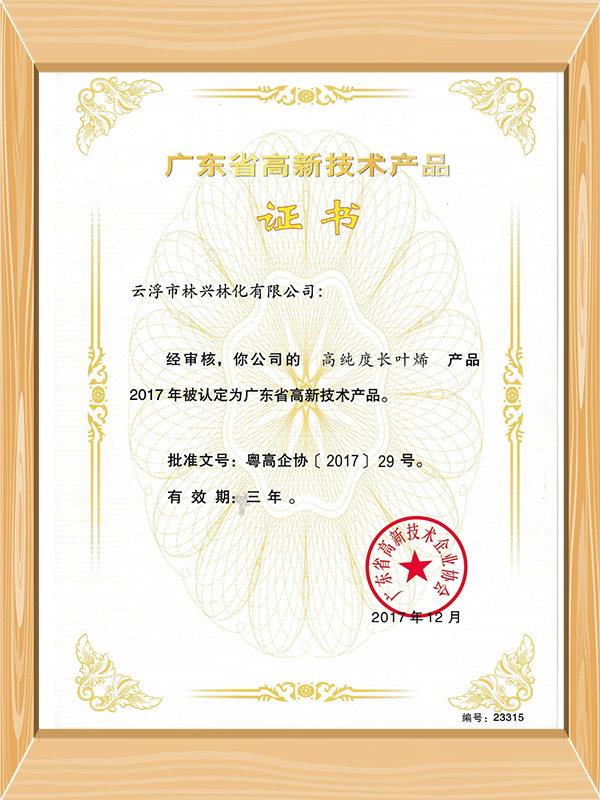
Adhering to these rules streamlines procurement and protects product integrity; when the stakes are high, precise refining and clear documentation win. Linxingpinechem offers the kind of traceable refinement and analytical support that aligns with these priorities. — thoughtful, technical, dependable.