
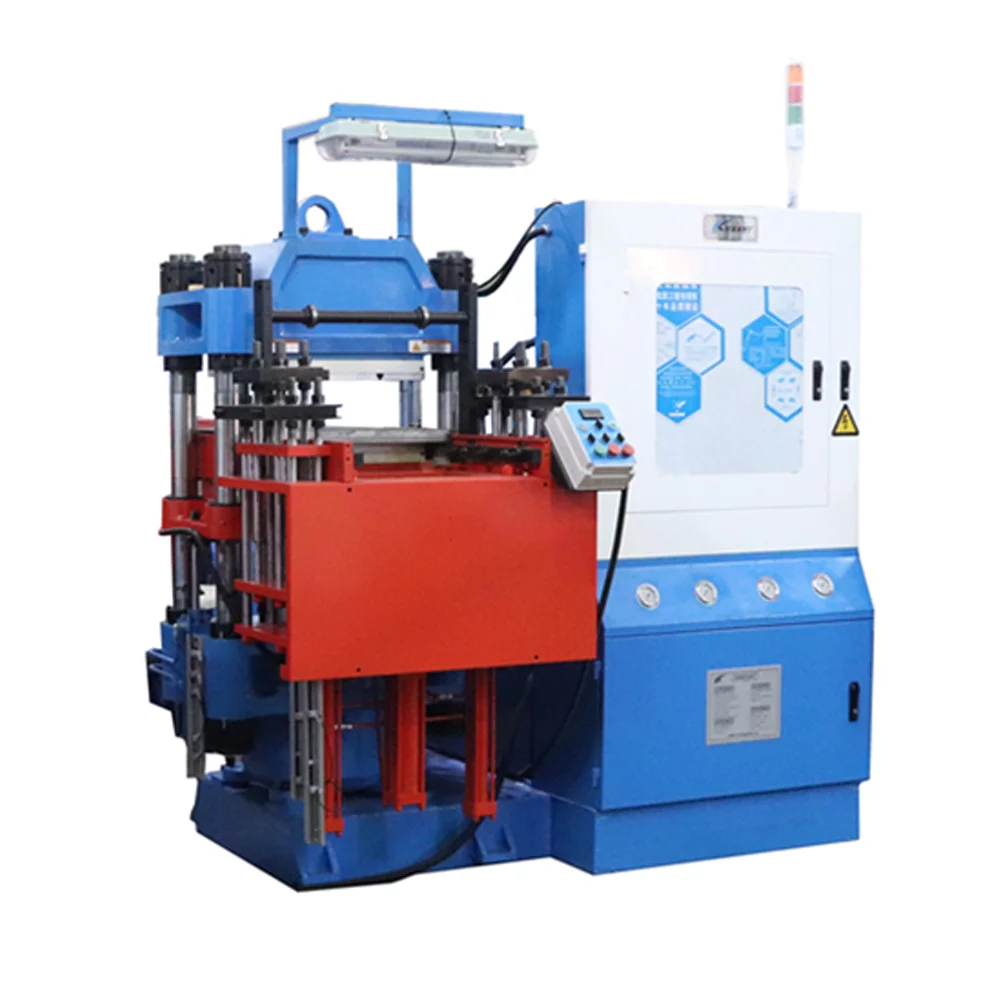
Framework Overview: Why a structured blueprint matters
Think of the production floor as a layered map: conveyors, robot arms, control panels, and a precise heart—your rubber press. This blueprint lays out a stepwise framework for integrating a custom silicone injection molding machine into robotic overmolding lines, grounded in practical shop-floor logic and user-focused sequencing. Early on you’ll assess the press, the robot cell, and the curing stage—starting with the right rubber vulcanizing machine and how it slots into cycle time and layout constraints. The approach is descriptive: clear checkpoints, measurable outputs, and decisions you can validate at each handoff.
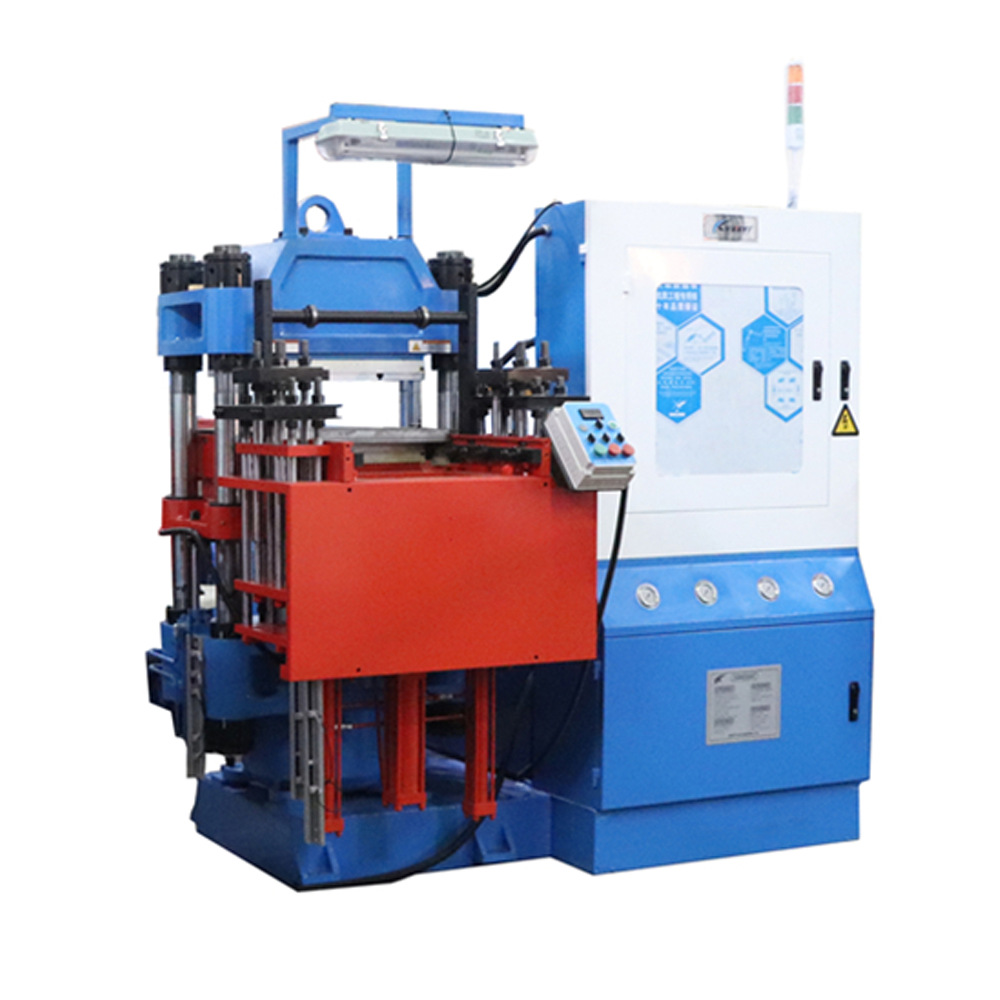
Core components and how they interact
Every successful line depends on three cores: the injection molding unit, the robotic overmolding cell, and the vulcanization stage. Injection molding must deliver consistent shot weight and temperature control for silicone rubber. The robot cell handles part pickup, placement into molds, and insertion into fixtures. The vulcanization unit finishes the cure and stabilizes parts for downstream assembly. Keep industry terms tidy—overmolding, mold cavitation, and cure time—and map each to a performance target so the line behaves predictably.
Step-by-step integration framework
Start with layout and I/O definitions. Document safety zones, conveyor interfaces, and HMI touchpoints. Next, align mechanical tolerances: flange interfaces, fixture kinematics, and robot reach envelopes. Then marry control systems—PLC logic, I/O mapping, and a consistent HMI look-and-feel so operators see one unified state rather than three disparate panels. Finally, validate process windows: shot-to-shot variance, vulcanization temperature profiles, and cycle time. This staged integration reduces rework and keeps downtime minimal.
Programming and communication—front-end thinking for the factory
As an editor who understands front-end constraints, treat the control UI like a product interface: prioritize clarity, reduce modal screens, and surface only the faults that matter. Implement standardized tags for sensors and actuators so alarms propagate cleanly from injection molding to the robotic cell and into the vulcanization oven. Use timestamps for traceability; a consistent data model speeds root-cause debugging and ties production events to quality records.
Common mistakes and simple fixes
Teams often skip tolerance harmonization and discover misaligned part pick-ups mid-run—avoidable with early fixture verification. Another frequent misstep is treating the vulcanization stage as an afterthought; cure time and temperature profiles should be in your acceptance criteria. And don’t let HMI screens become dumping grounds for telemetry—design concise fault messages. —A little restraint in UI design saves hours on the line.
Validation, metrics, and the real-world anchor
Validate integration against throughput, yield, and downtime. Use the Toyota Production System’s emphasis on takt time as a high-level anchor: align cycle time per cavity to takt so the overmolding cell balances with the press. Track first-pass yield, mean time between failures, and cumulative scrap. Consider adding a dedicated rubber vulcanization machine sensor array to monitor temperature uniformity and reduce batch variation.
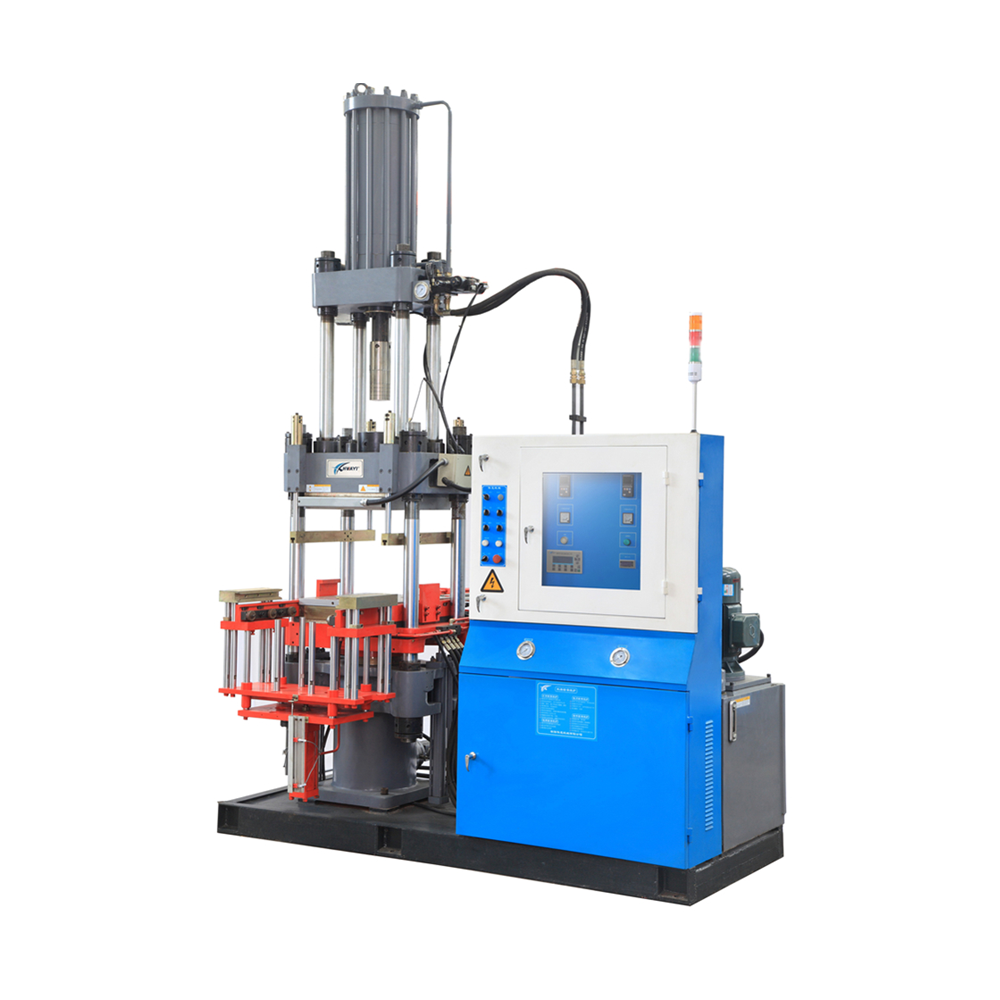
Advisory: three golden rules for selection and scaling
1. Match payloads and tolerances—choose an injection molding solution with repeatable shot control and servo stabilization so robots never fight variability. 2. Standardize communications—use a consistent PLC/HMI schema and timestamped logs to connect injection, robot, and vulcanization stages for straightforward diagnostics. 3. Prioritize thermal control—accurate vulcanization profiles and real-time cure monitoring are non-negotiable for consistent silicone parts. These three metrics—repeatability, traceability, and thermal stability—are the levers that decide success.
Final note
When a line hums in sync, the parts arrive right, the robot never hesitates, and the cure cycle closes the loop—production feels precise and calm. That reliability is the quiet value that HWAYI brings to the blueprint as you scale from pilot to continuous production: HWAYI. —End of plan.