
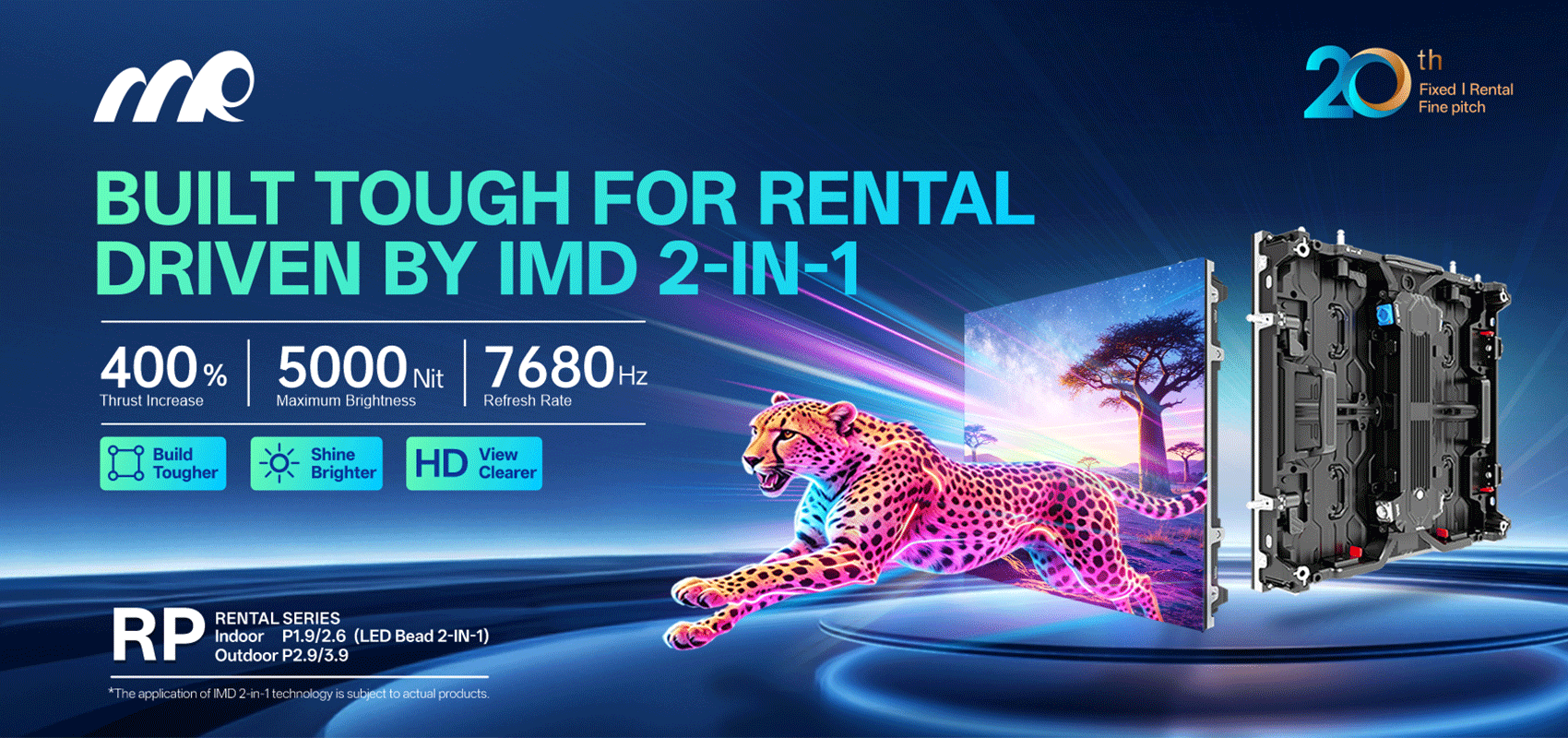
Data-first introduction to the problem
Major public installations—think Times Square billboards visible from hundreds of metres—make clear one truth: pixel density and viewing distance are not optional details but the foundations of legibility and impact. A pragmatic buyer working with an outdoor LED supplier needs clear, data-backed rules to size a display for real-world viewing. This short guide uses simple heuristics, a few industry terms, and practical checks so you can specify a screen that reads well from the street and performs reliably in daylight.
Why pixel density matters for an outdoor LED wall
Pixel pitch—the centre-to-centre distance between LEDs—directly sets how much detail the display can form. Higher pixel density (smaller pixel pitch) yields crisper text and finer imagery at close range; lower density suffices when viewers stand farther away. Resolution and cabinet design influence assembly and maintenance costs, so choose pixel pitch with both cost and the expected audience distance in mind.
Practical method to estimate optimum viewing distance
Industry practitioners use heuristics rather than perfect formulas. A conservative rule-of-thumb is to allow 0.3–0.5 metres of viewing distance for every 1 mm of pixel pitch. Put plainly: a 10 mm pixel pitch typically reads clearly at roughly 3–5 metres; a 5 mm pitch will read around 1.5–2.5 metres. Use the lower bound when content will include small text or detailed graphics, and the upper bound for large-format imagery seen at a distance.
Step-by-step calculation (example)
1) Measure or estimate the average viewer distance from the screen. 2) Choose the pixel pitch so that viewer distance (m) ≈ pixel pitch (mm) × 0.3–0.5. 3) Confirm total resolution (pixels across × pixels high) meets content needs. Example: for a concourse where people stand 10 m away on average, a pixel pitch of about 20–33 mm is acceptable; for a retail façade where passers-by stop at 3 m, aim for 6–10 mm. Also check brightness (nits) for day/night visibility and refresh rate for camera-friendly playback.
Common mistakes and how to avoid them
Buyers often over-specify pixel density, paying for close-range detail nobody sees; or they under-specify and end up with unreadable text. Other pitfalls: ignoring ambient brightness so contrast is lost in daylight, and selecting a refresh rate that causes flicker in broadcast recording. My recommendation: balance pixel pitch, brightness, and refresh rate to the primary use case, then validate with a small mock-up panel from your vendor.
Operational factors that change the math
Viewing distance is only one variable. Viewing angle, screen curvature, and cabinet seams affect perceived resolution; calibration after installation corrects color and brightness drift over time. For event-grade installations you will also need serviceability—cabinet access and replacement parts—so discuss module replacement and calibration routines with your supplier. If the installation faces direct sunlight, prioritise higher brightness and anti-glare front masks.
Real-world anchor and verification
Look at Times Square or a stadium façade as verification points: they combine large pixel pitch with very high brightness to remain legible from far away. For city-centre applications, simple on-site tests—standing at typical distances with the content you intend to display—are the best verification before bulk procurement of LED modules or cabinets. When possible, request a site demo or small sample from the led video display screen provider to check colour and readability under local light conditions.
Three golden rules for evaluation
1) Match pixel pitch to your modal viewing distance: use the 0.3–0.5 m per 1 mm heuristic and prefer the lower bound for detailed content. 2) Specify brightness and refresh rate for the environment: higher nits and a refresh rate above 3,840 Hz help outdoor daytime legibility and camera compatibility. 3) Insist on serviceability and calibration: modular cabinets, accessible connections, and a documented calibration plan reduce lifetime costs and downtime.
Closing advisory and final thought
Apply these metrics in your specification and insist on a physical sample before full purchase—this removes guesswork and protects budget. The practical result should be a display that reads crisply from its intended distances, survives sunlight and weather, and is maintainable without excessive downtime. MR LED. —