
Understanding your real needs in a small home
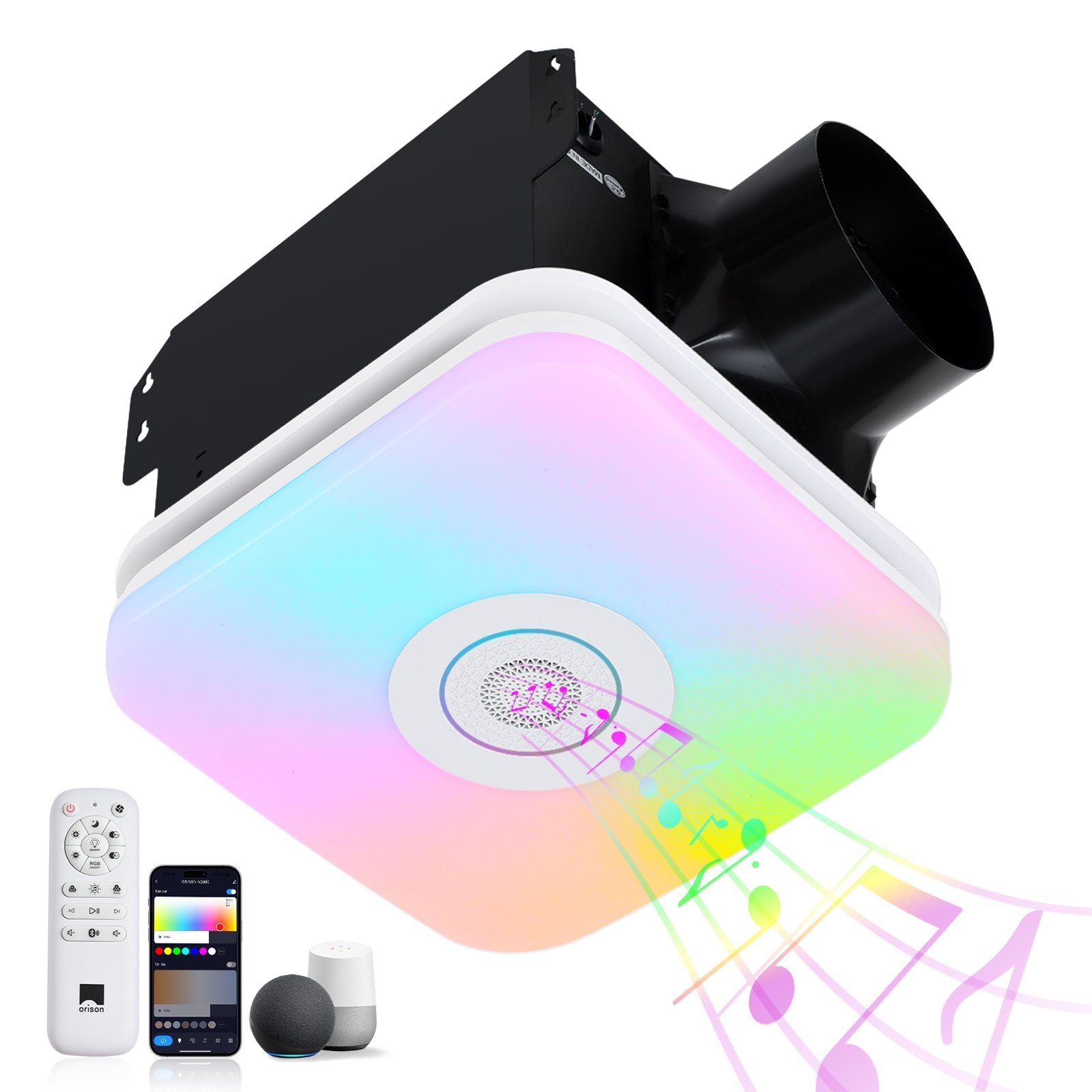
If you live in a compact Colombo flat or a tight city apartment, every square foot matters — and your fan choice should do more than move air. A compact ceiling fan with an integrated light can free up wall and floor space, improve circulation for cooking smells, and reduce reliance on bulky pedestal fans. At the same time, consider moisture and odour control: a dedicated bathroom exhaust fan still makes sense for wet areas. This user-centred view starts with how you live: do you cook often, work from the living room, or sleep there? The answers change which spec and features will serve you best.
Why a compact ceiling fan with light often beats separate units
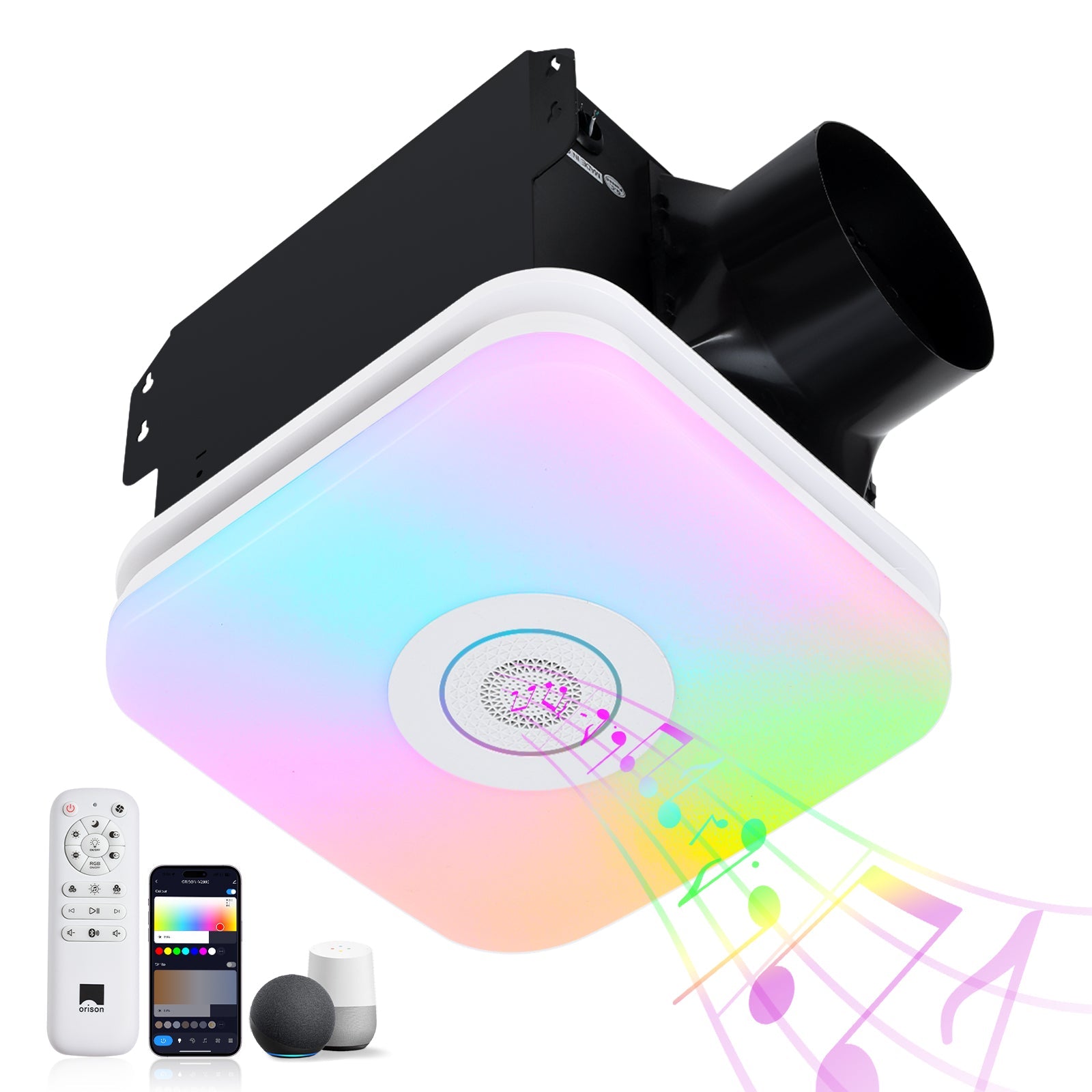
Space efficiency is obvious, but the practical upsides go further. A low-profile fan with integrated LED reduces clutter, lowers installation complexity, and centralises control (one switch or remote instead of multiple fixtures). In kitchens and multi-use living rooms it helps disperse heat from cooking and keeps air moving near the ceiling where heat collects. Compared to an axial table fan, a ceiling fan provides broader, more even airflow and usually consumes less wattage for the same perceived comfort.
Key specs to evaluate — the user’s checklist
Start with these measurable items so you get the performance you need:
- Airflow (CFM) — matches room size. A small 8–10 sq. m. kitchen needs noticeably less CFM than a combined living-dining area.
- Noise level (dBA) — lower dBA keeps a workspace or sleeping area calmer, especially when you need quiet for calls.
- Light quality and wattage — choose LEDs with warm/neutral options so cooking and reading look natural under the same fixture.
Also check blade sweep and pitch: compact fans sometimes trade sweep for RPM; higher RPM can mean more noise even if CFM looks good on paper. For multi-room installs think about compatibility with dimmers and ceiling-box depth — small homes often have shallow rose boxes that limit options.
How ventilation and extraction should work together
Ceiling fans circulate air but don’t remove humidity or kitchen odours completely. That’s where extraction comes in: an inline or wall-mounted fan tied to proper ducting will expel moisture and fumes. In bathrooms and kitchen wet zones, a dedicated bathroom extractor with adequate CFM and correct static pressure handling prevents mould and lingering smells. Think of the ceiling fan and extractor as teammates — one moves air around, the other removes what you don’t want.
Common mistakes users make — and easy fixes
People often pick a compact fan for looks without checking room geometry or motor type. A common error is undersizing: a small sweep fan mounted too high or too low won’t deliver usable airflow. Another is neglecting acoustic performance — fans advertised as “quiet” sometimes mean low bass and high-pitched whine — which is annoying during calls. Lastly, ignoring extraction needs leads to long-term issues like damp or grease accumulation on cabinets. A quick fix: measure your room, note ceiling height, and test a sample if possible before buying.
Also, don’t assume cheaper models will integrate with your existing switches — check remote or regulator compatibility before installation. —
Alternatives worth considering
If a ceiling fan with light still feels off, alternatives include compact wall-mounted fans, low-profile ducted systems, or a combination of a small ceiling fan plus a targeted range hood for the kitchen. Each option trades off footprint, noise, and cost — wall units save floor space but can look intrusive; ducted solutions keep the aesthetic clean but need more installation work and possible ceiling voids.
Three golden rules for choosing the right setup
1) Measure first, buy second: match CFM to room size and check clearance for blades. 2) Prioritise low dBA at normal speed — pleasant airflow is quiet airflow. 3) Pair circulation with extraction: if cooking or showering is frequent, plan for proper ducting and an inline fan to handle humidity and odour.
Used wisely, a compact ceiling fan with light will simplify daily life in small kitchens and living rooms and reduce the number of separate fittings you manage. For practical, well-engineered options that fit constrained ceiling heights and modest budgets — and for a sensible way to combine circulation with extraction in urban homes like those in Colombo — consider how Orison fits into that picture. —