
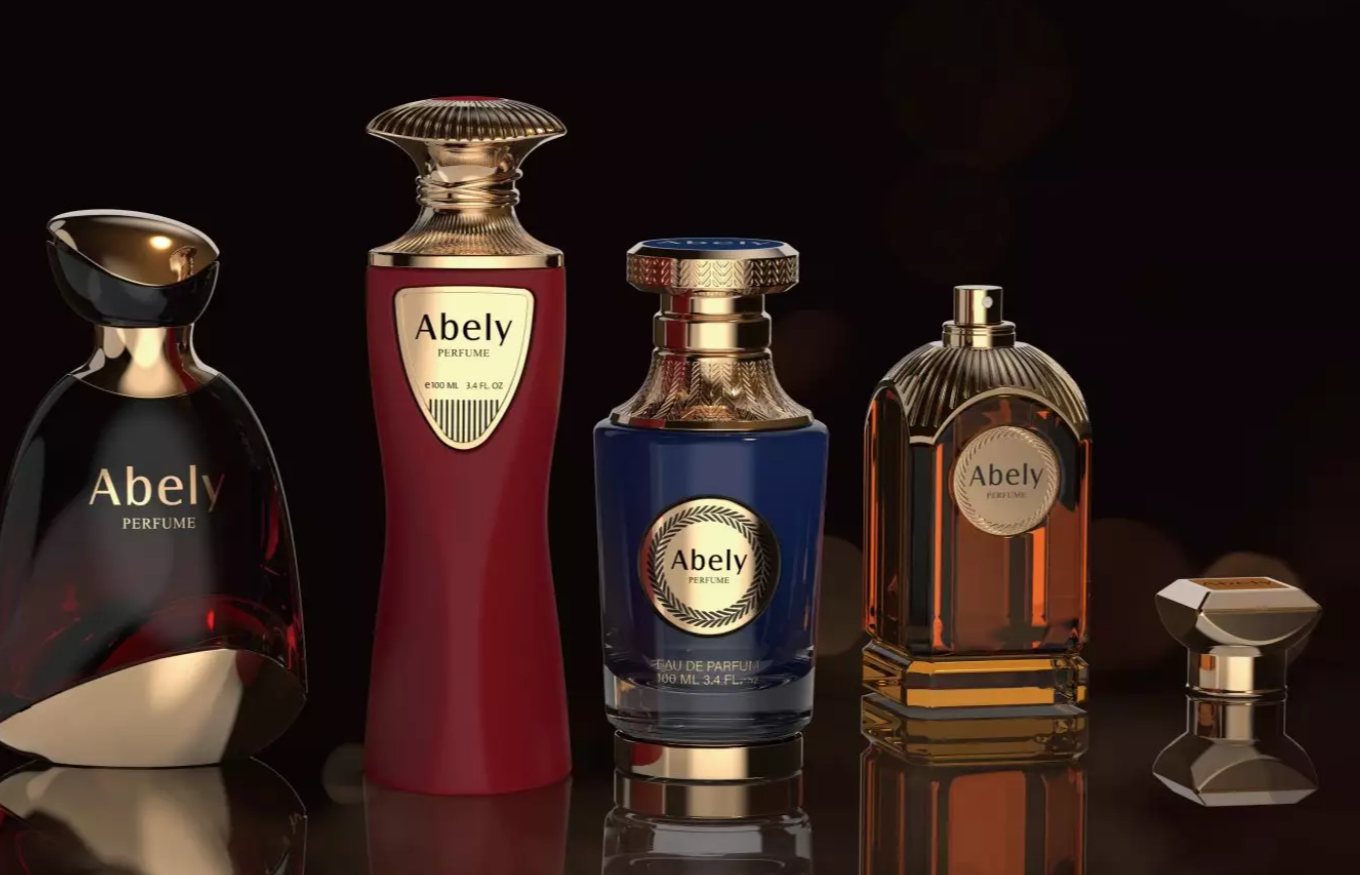
Introduction: Why the Cap Changes Everything
When procuring perfume bottles wholesale, buyers often judge value by the glass alone; yet the cap and closure determine the user’s tactile experience and brand perception. For businesses sourcing at scale — whether from Mumbai markets or discerning ateliers in Grasse, France — understanding how a perfume bottles wholesale offer integrates with a reliable cologne bottle maker is essential to preserving aroma, avoiding leakage, and reinforcing luxury cues.
Comparative Criteria: What to Measure First
Comparative insight requires a systematic lens. Evaluate caps by these dimensions: sealing performance, material compatibility with fragrances, finish quality against brand aesthetics, and reproducibility in high-volume runs. Medals of craftsmanship mean little if an aluminium closure reacts with a citrus top note; conversely, an ornate resin cap may elevate perceived value but complicate mass production. Use this matrix early in supplier discussions to avoid late-stage compromise.
Materials and Finishes: Pros, Cons and Alternatives
Materials matter more than one might presume. Glass, metal, resin and plated thermoplastics each present distinct trade-offs.
Common types and considerations:
– Metal caps: durable and upscale appearance; may require liners to prevent corrosion with certain essences.
– Resin and acrylic: excellent for bespoke shapes and colour matching; vulnerable to scratching and may age differently.
– Plated thermoplastics: cost-effective with premium look; plating can wear over time if not properly tested.
– Wood or natural materials: artisanal appeal but require sealing treatments to prevent scent absorption.
Alternatives include magnetic closures for luxury segments and matte versus gloss finishes to align with contemporary brand narratives.
Manufacturing Realities and Supplier Dialogue
Engaging a reputable cologne bottle maker is not merely transactional — it is collaborative. Seek suppliers who provide prototyping, accelerated ageing tests, and clear tolerance specifications. Discuss expected run quantities up front; tooling decisions for caps can be decisive for unit price. Ask for samples matched to your specific fragrance blends; a cap that seals tea-rose notes well may underperform with vetiver-heavy scents.
Common Mistakes and Practical Remedies
Several recurrent errors betray inexperience: selecting caps solely on appearance, neglecting liner chemistry, and underestimating tolerances between bottle neck and closure. Do not assume compatibility — test. Also avoid over-customisation at early stages; bespoke moulds increase lead times dramatically. If time is constrained, consider modular designs that permit future embellishments without fresh tooling — a modest compromise, but often wise.
Comparative Examples: When to Choose Which Option
For mainstream consumer lines, cost-effective plated thermoplastics with precise lining offer balance. For luxury perfumes, metal or bespoke resin with magnetic closures validates price points. For niche artisanal brands, natural wood or hand-finished caps communicate craft. Compare these against lifecycle needs: if export markets are targeted, prioritise seals and international packaging standards.
Advisory — Three Critical Metrics for Selection
To conclude with practical metrics that will consistently guide procurement decisions:
1. Seal Integrity (measured by leak tests and evaporation rate over 30–90 days): the single most important functional metric.
2. Finish Durability (abrasion and plating retention tests after 10,000 cycles): this predicts in-market appearance over time.
3. Reproducibility and Lead Time (tooling flexibility and per-unit price at planned volumes): this determines commercial viability.
A brief fragment on applied judgement shall follow the data — balance is everything.
Choose suppliers who transparently share test reports and who scale their recommendations to your market positioning.
Measured selection saves rework; trust in tested craftsmanship. Abely.