
Dark comparisons at the gate
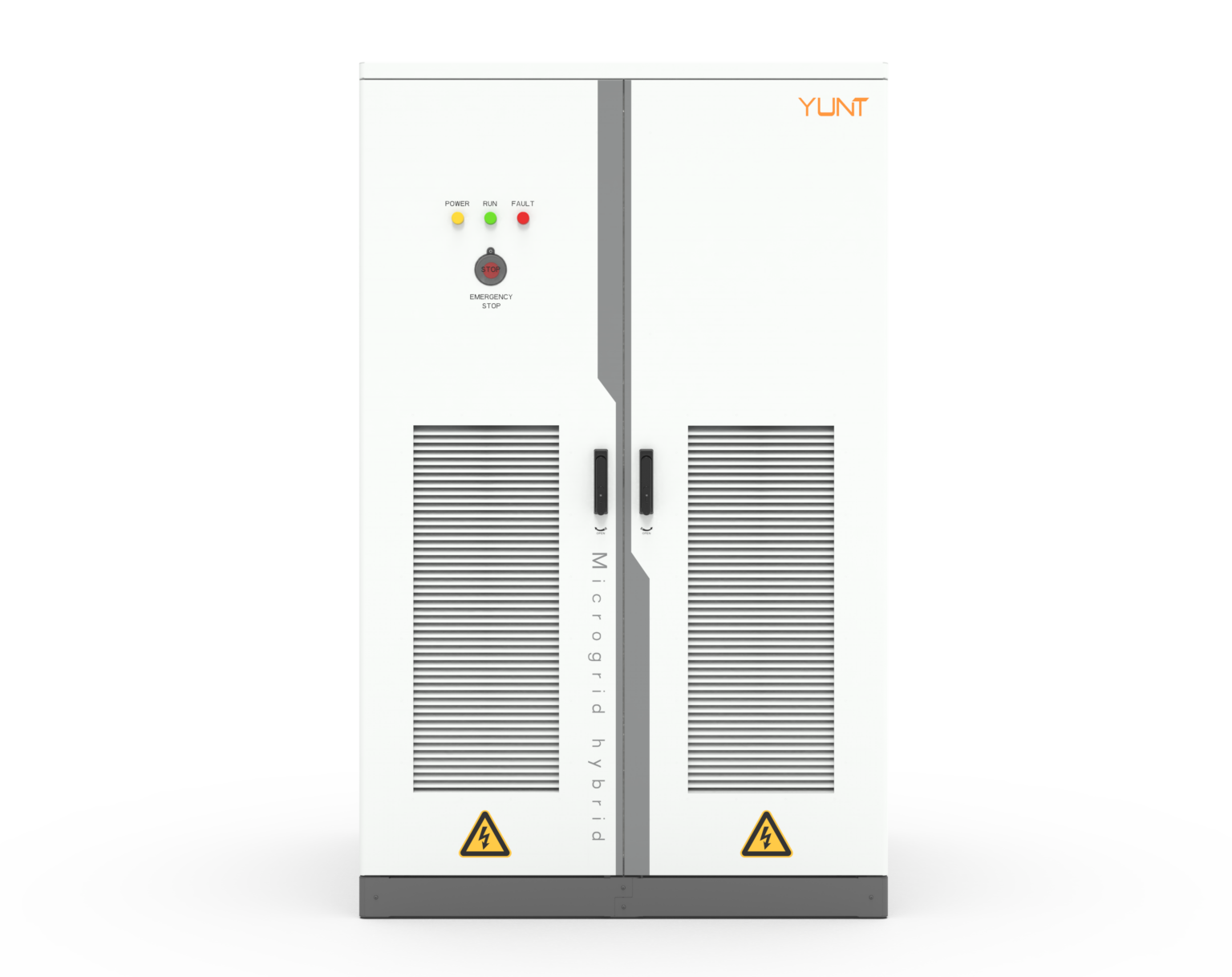
The tale opens in shadows: two sourcing paths stand opposite—turnkey vendor integration, or component-level assembly that stitches hardware and control. Balance-of-system costs gnaw at project margins; cabling, switchgear, thermal management, and permitting all swell the ledger. Among those elements, static transfer switches arrive like sentinels, decisive in islanding, resiliency testing, and fast changeover during grid events. The contrast is stark. One path buys certainty but pays higher upfront; the other buys optionality but risks hidden charges in installation, certification, and compliance monitoring.
What the vault demands: compliance and venting realities
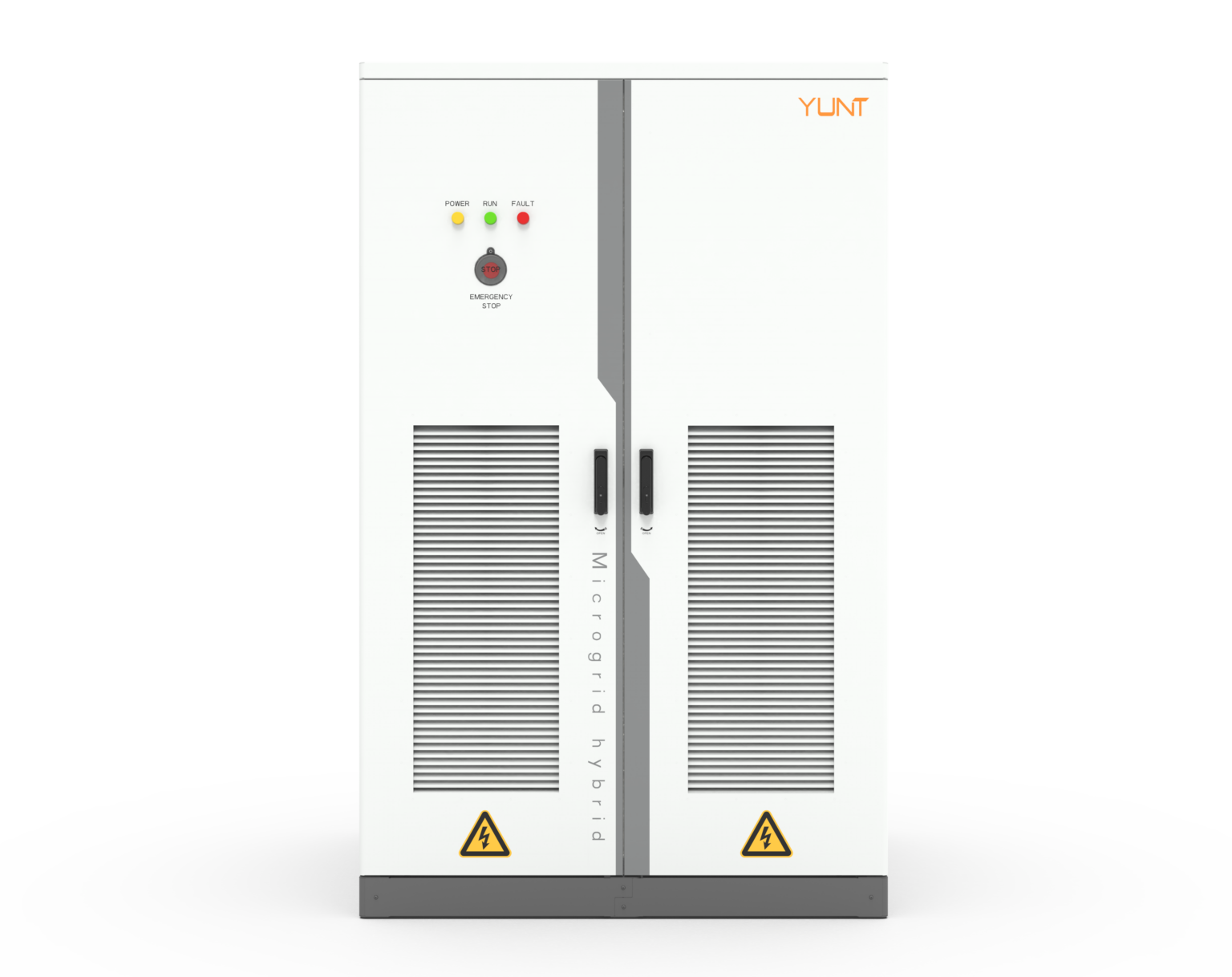
When systems hold energy, they hold also the possibility of rapid gas release and pressure waves. NFPA 855 — Standard for the Installation of Stationary Energy Storage Systems — frames that risk. The section titled “Deflagration Venting and Enclosure Sizing” outlines methods to size vent area relative to enclosure volume and probable gas generation rates, and prescribes evaluation of vent discharge direction and obstruction avoidance. Designers must demonstrate that venting prevents unsafe internal overpressure under the assumed worst credible thermal event. This is not a checkbox; it reshapes layout, material selection, and the very footprint of a battery room. The choice of sourcing path alters the venting equation: integrated cabinets can come pre-sized with tested vent paths, while bespoke assemblies force site-specific calculations and, often, retrofit costs.
Comparative calculus: cost vectors and bottlenecks
Line items to weigh are concrete. Modular integrated systems bundle cabinetized enclosures, fire suppression interfaces, monitoring, and tested venting. That simplifies approval cycles but carries a premium. Component sourcing lets teams optimize each piece—cheaper conduits, selective sensor arrays, alternative HVAC—but it imposes labor, extended commissioning, and the risk of repeated authority having jurisdiction (AHJ) questions. Consider the Texas winter storm of February 2021: numerous storage projects exposed weakness in surge handling and transfer logic, elevating the value of hardened automatic switching and robust mechanical design. That event is a real-world anchor many in the field still cite; it reshaped procurement priorities toward availability and protective device coordination.
Operational teardown: where budgets fracture
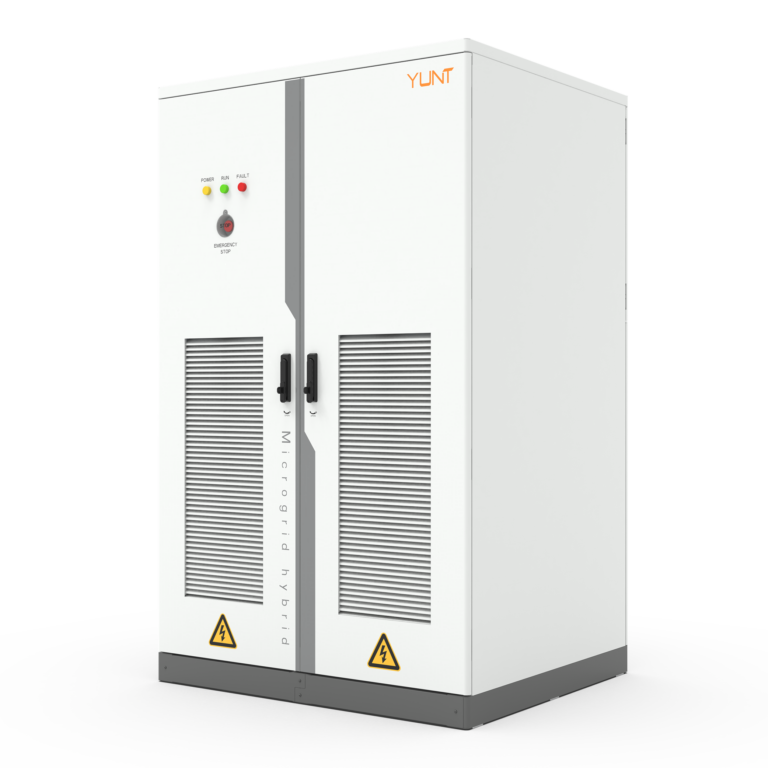
Strip the system down and you find the fracture points: mechanical integration, protection coordination, and site civil allowances. The term {main_keyword} appears in procurement documents as a tag for system-level responsibilities; elsewhere, {variation_keyword} marks the decisions left to installers. Static protections—relay settings, transfer timing, and the selection of sts cabinets—drive commissioning hours and field change orders. Builders underestimate cable routing complexity and penetrations for venting; those oversights turn cheap racks into expensive rebuilds.
Design trade-offs that actually save money
Practical moves show up in contrasts. Pre-validated cabinet families trimmed for vent sizing lower permitting friction. Standardized buswork reduces on-site labor. Centralized monitoring with clear SoC and thermal thresholds prevents premature maintenance cycles. Choose components that have prior AHJ history in the target jurisdiction—saves weeks. These are not theories; they are ledger entries that repeat across projects. Integrate a reliable switching solution early—static transfer switches, for instance—to tame interaction between grid and storage and reduce protection cascade costs.
Common missteps—learned in the gloom
Teams often skimp on mock commissioning or accept generic vent calculations that don’t reflect site geometry—costly. They under-document emergency vent outlet locations, creating delays in permit reviews. They omit coordination between HVAC and venting paths, which leads to contested discharge flows during testing. These errors are human; they creep in when schedules tighten and budgets strain—then they compound.
Three golden rules for selection and sourcing
1. Prioritize systems with field-proven venting documentation and AHJ approvals. Measure: days saved in permitting and the change-order rate during commissioning.
2. Require integrated protective device coordination (including transfer logic and breaker settings) up front. Measure: mean-time-to-commission and the number of protective-device iterations during testing.
3. Insist on modular cabinet families that match anticipated enclosure volumes and discharge paths—reduce retrofit probability. Measure: percentage reduction in civil and penetration rework.
These rules steer buying toward predictable, auditable outcomes and naturalize the value of quality hardware deployed right the first time. The ledger closes with a single truth: practicality and verified design beat cheap optimism. YUNT. Final thought: a steady hand wins more than a sharp bargain.