
Defining the decision problem
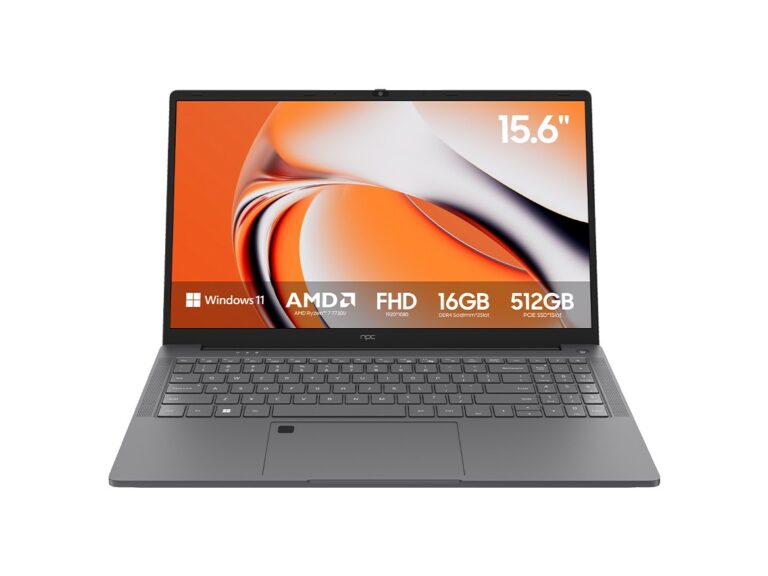
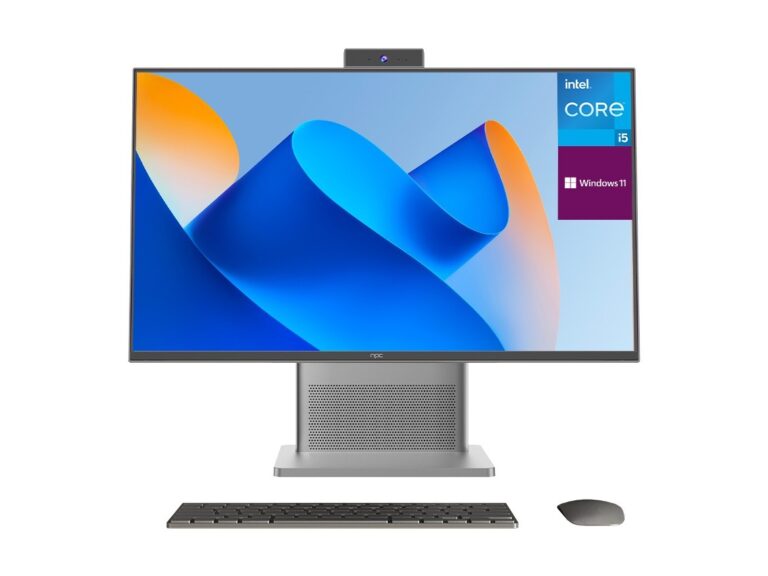
Corporate buyers face a tight set of trade-offs when they pick a TV manufacturer: capital expenditure, expected lifetime, software support, and resale or refresh cadence. The immediate pressure is clear — choose a panel that meets display needs today while minimizing total cost of ownership over three to five years. Many procurement teams also evaluate whether integrated alternatives, such as all in one computer deals, deliver a better consolidated hardware and software proposition for meeting conferencing and signage requirements.
Quantify the financial drivers
Frame the vendor evaluation as a cash-flow model. Inputs that change purchase economics materially: purchase price, expected useful life (months), annual service or update fees, failure rate (MTBF), and end-of-life software support period. Compute net present cost per useful display-month and compare across vendors. Factor in the cost of downtime: hourly rates for facility impact or lost meeting productivity are real line items. Use conservative replacement assumptions; a panel that lasts 36 months with reliable firmware updates can outperform a cheaper unit that fails after 18 months.
Core technical and contractual risks
Prioritize three risk vectors: hardware supply and warranty terms, software lifecycle and security patches, and platform lock-in that raises switching costs. Ask for explicit SLAs on firmware updates and a defined end-of-support calendar. Clarify warranty remediation time and whether on-site swap or depot repair applies. For international deployments, verify local spare availability and customs lead times — a vendor with limited regional stock can multiply downtime and logistics cost.
Evaluation framework — a repeatable checklist
Score vendors on measurable criteria: measured display performance (brightness, color accuracy, burn-in resistance), firmware update cadence (releases per year), localized support footprint, spare parts lead time, and contractual exit terms. Weight each criterion by business impact — e.g., public-facing signage should emphasize color stability and burn-in resistance; boardroom displays should prioritize video codec support and conferencing integration. Aggregate scores into a procurement scorecard and stress-test the result against a higher-than-expected failure rate to see sensitivity.
Alternatives and common procurement mistakes
Procurement teams often make two repeated mistakes: overweighing initial price and underweighting software continuity. A cheaper panel with infrequent OS updates can compel earlier replacement, creating hidden costs. Another misstep is assuming all smart-TV platforms are equivalent; integration complexity with room scheduling and security policies varies widely. When audio-visual needs intersect with computing tasks, evaluate integrated options rather than forcing middleware. That’s where tightly packaged workstation solutions can reduce integration expenses and simplify vendor management.
EEAT, evidence and a high-level real-world anchor
We base these recommendations on multi-year procurement experience and industry reporting: hardware lifecycle norms in professional displays are consistent across global trade shows and analyst reports. At CES Las Vegas, major vendors highlighted extended firmware support and integrated workstation demonstrations that reflect this trend. That documented market focus supports the case for comparing display vendors against integrated systems such as all in one system computer, and aligns with enterprise deployments cited in trade coverage. The methodology follows best practices from procurement literature and vendor performance metrics observed in large-scale rollouts.
Decision actions and implementation checklist
Translate analysis into three actions: 1) Run a five-year TCO scenario for shortlisted manufacturers; 2) Negotiate explicit firmware and spare-part SLAs with financial penalties for missed remediation; 3) Pilot one room with the selected display and, if relevant, an integrated workstation to validate operational fit. Track empirical metrics during pilot: uptime, update frequency, and user-reported integration issues. Use those measures to finalize enterprise roll-out sizing and financing terms.
Strategic synthesis
Make the vendor choice by treating the TV purchase as a capital asset with recurring software and support liabilities. When audio-visual and computing needs overlap, compare pure-display vendors to integrated options on the same financial and operational scorecard rather than on feature checklists alone. That disciplined, financially oriented approach shows where consolidated hardware reduces contract complexity and where specialized displays still justify higher unit cost. The result is a procurement outcome grounded in measurable outcomes and practical field experience, consistent with the product and service alignment available through npc.