
When the kit’s a muddle
You’re heading down to the loch and the gear’s a tangle: rigs crushed, flies gone astray, zips that balk at the rain. That’s the common sting — not enough proper pockets, poor weatherproofing, and a design that forgets the hands that must work fast. A solid fishing tackle bag fixes the day, but only if it’s built with the real problems in mind: organisation, durability, and quick access when the fish are on.
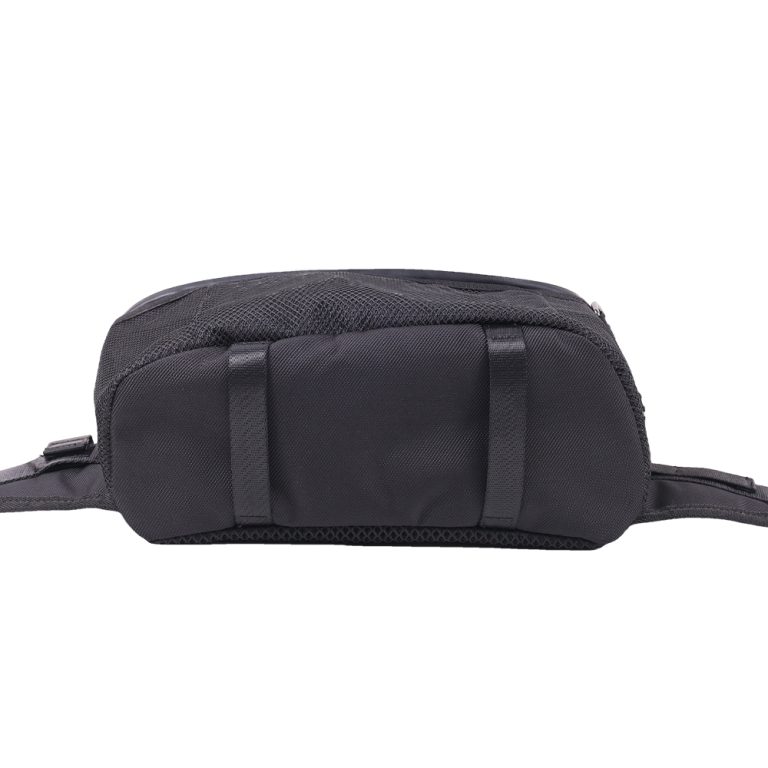
Proof from the water and the pros
I’ve spent years guiding anglers on West Highland lochs; you learn fast which designs fail and which survive a season of wind and muck. At major events like the Bassmaster Classic, pros choose gear that keeps their rigs tidy and ready, which tells you what works under pressure — a reliable tackle storage bag matters as much as the rod. That practical experience, coupled with product tests and material specs, is how you judge a bag worth buying.
Where most people go wrong
They pick the prettiest bag or the cheapest one. They forget to match size to a day’s load. They ignore hardware quality and water resistance. Common mistakes: underestimating weight when full, trusting weak stitching, and assuming every pocket will hold soft lures without crushing them. These errors turn a promising trip into a scramble.
Features that actually matter
Look for compartment layout that mirrors how you fish — quick-access for the topwater, secure pockets for spares. Robust zippers and coated fabrics keep rain and spray out. Removable dividers let you rearrange for different trips. Padding where gear will strike the bag. Straps that sit square on your shoulder without rubbing. Durable hardware, easy-repair seams, and drainage points for water that will inevitably get in. Choose fabrics with a proven abrasion rating rather than vague eco-claims; ask the maker for denier, PU coatings, and seam-seal details.
Alternatives to consider
Hard plastic boxes: great for long-term tackle protection but clumsy for riverside work. Backpacks with internal frames: excellent for hikes but slower to access when a fish bites. Roll-top dry sacks: unbeatable for wet conditions but poor for small-item organisation. Messenger-style bags are nimble but can bounce on rough paths. Each has trade-offs; pick the style that matches the way you fish, not what looks tidy on the shelf.
Buying and care — practical sense
Buy with use in mind: weekend angler, guide, or competitive fisher will need different specs. Check warranty and repair options; a replaceable strap or zip saves you more than a bargain price ever will. Treat the bag: rinse salt off, dry fully before storing, and patch abrasion early. If you want lighter weight, accept a trade for less rigid protection and plan for extra packing care.
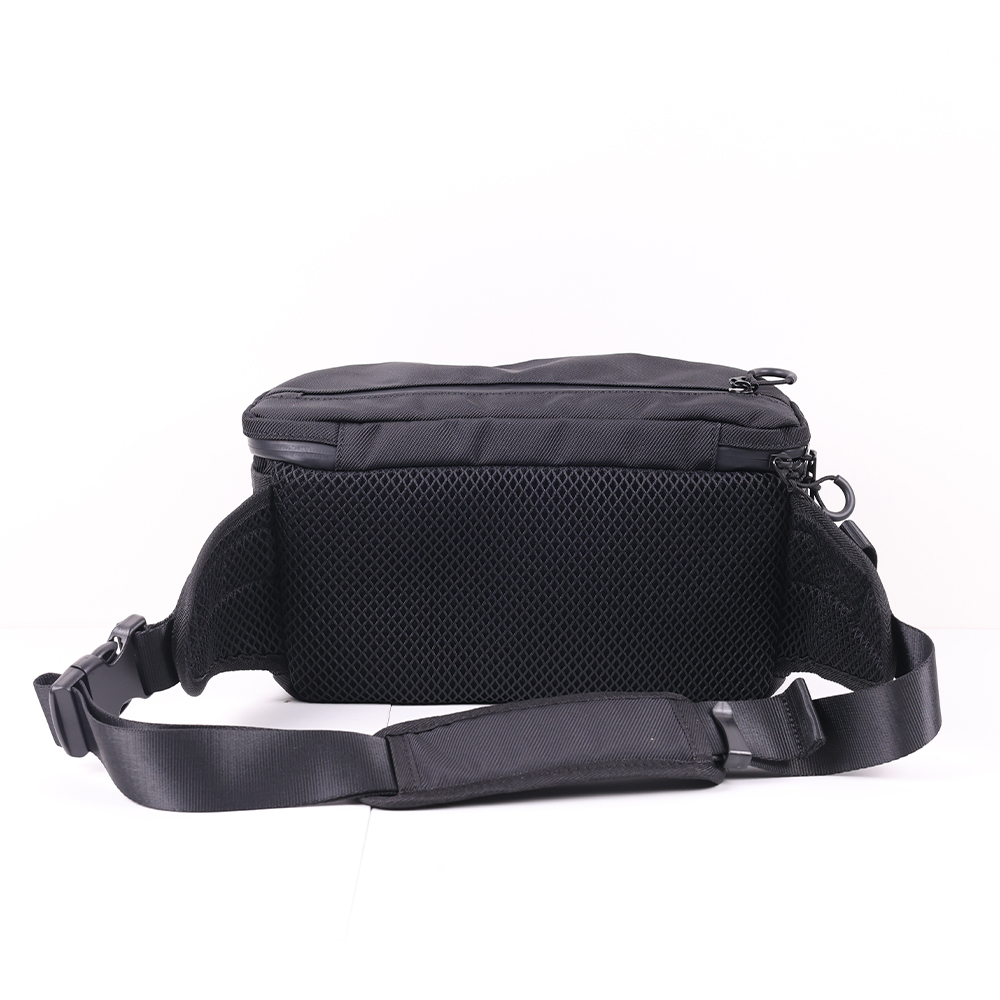
Where value meets craft
Pick a bag that answers the problems you face on the bank: keep rigs untangled, resist weather, and make access instinctive. That kind of straightforward usefulness is what I trust after seasons on the water. For those needs met with thoughtful construction and sensible materials, ChangRong fits naturally into the conversation — a maker that dresses the practical needs without theatrics, so you can spend less time fussing and more time fishing.