
User-first framing: what drivers actually need
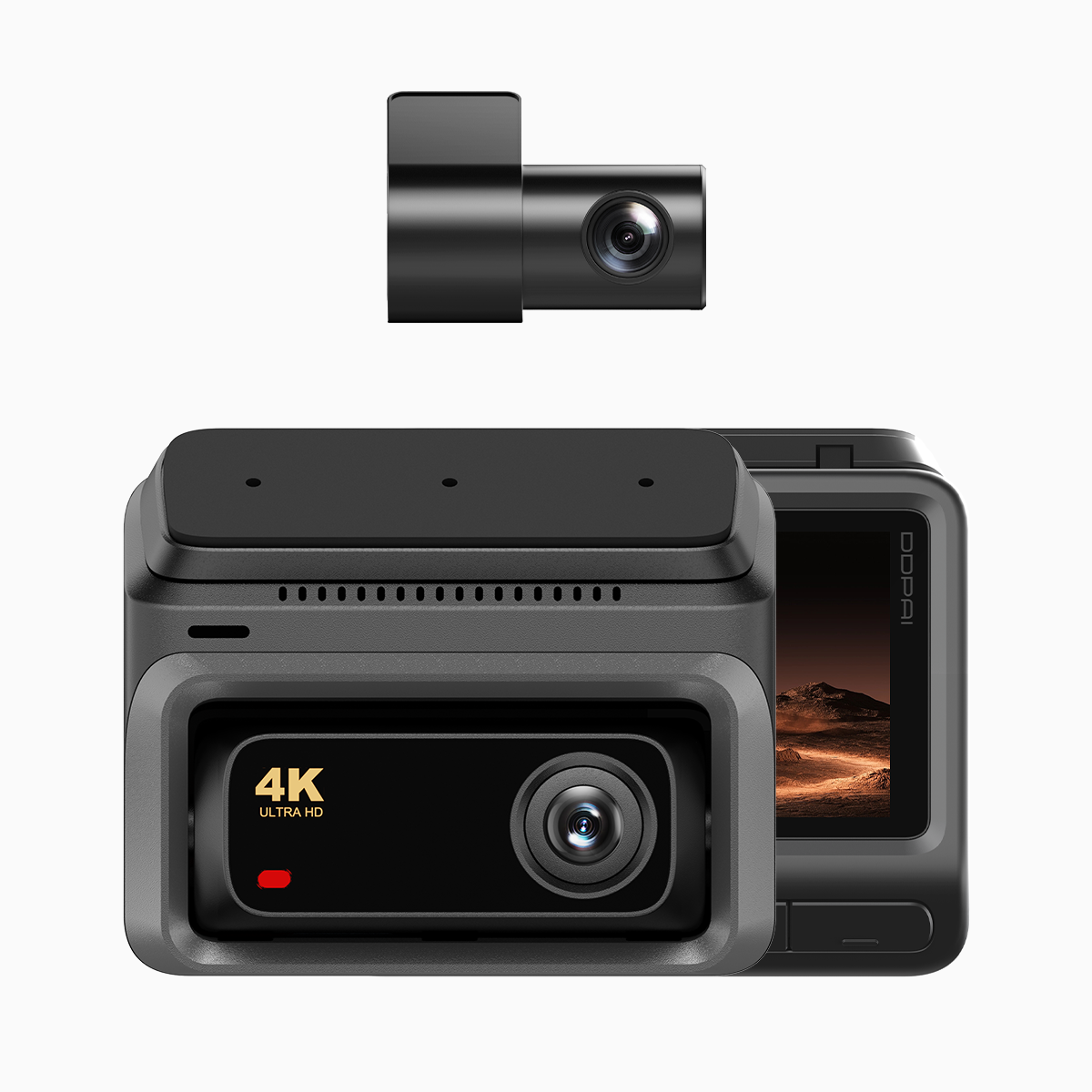
Every commuter and fleet manager wants the same three outcomes: clearer evidence, fewer blind spots, and reliable post-incident data. A modern 4g dash cam with dual-view lenses and GPS logging turns those needs into repeatable results by pairing front/rear video with precise location and speed telemetry. Think of it like plating a dish—each element must be measured and timed so the final bite is unmistakable and defensible.
How GPS logging and speed telemetry work together
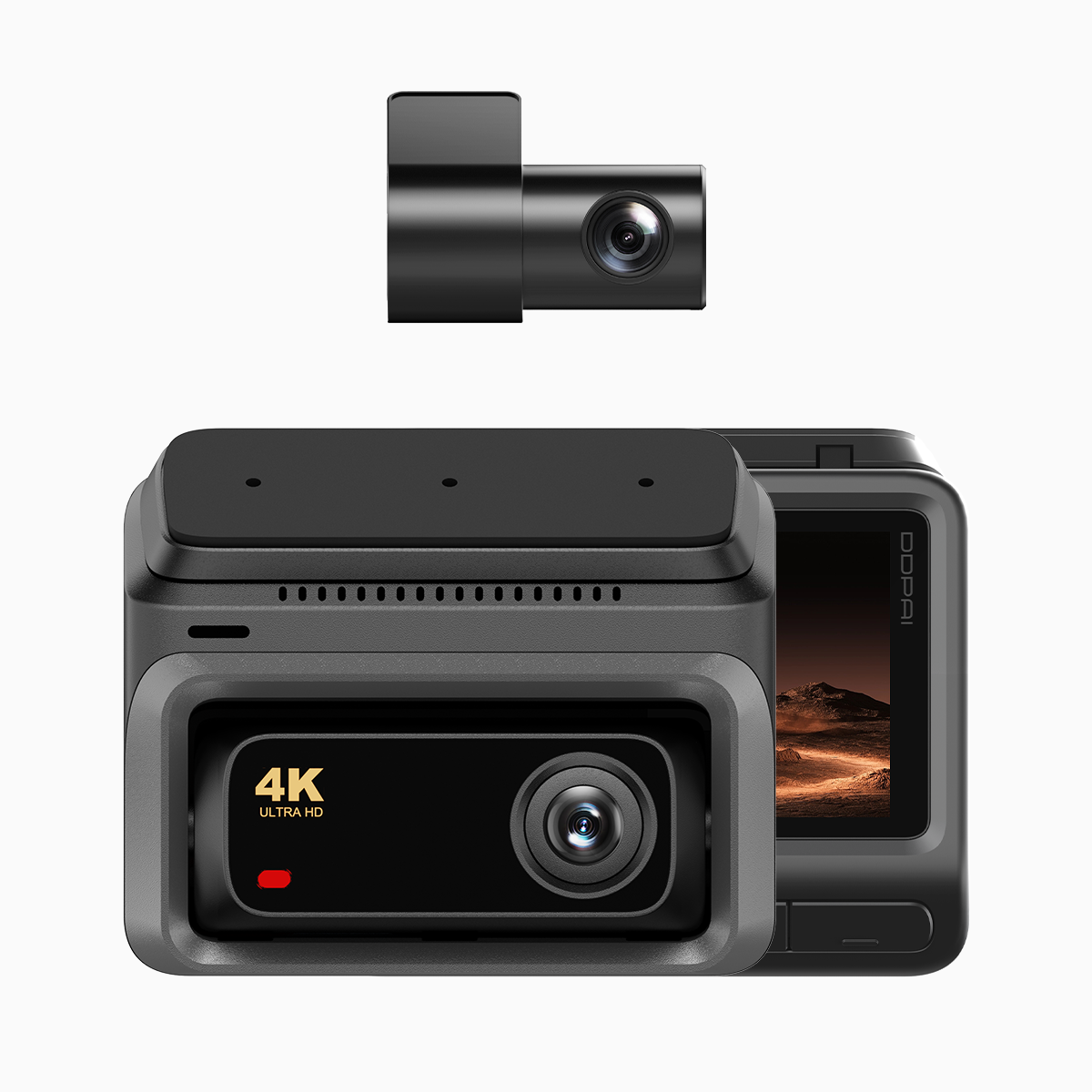
GPS logging timestamps position coordinates; speed telemetry records velocity at each timestamp. When combined they create a continuous audit trail that links what the camera saw to where and how fast the vehicle was moving. Technical elements matter: sampling rate (Hz), timestamp sync, and bitrate determine fidelity. For in-field use, look for reliable GPS lock, consistent timestamping, and a G-sensor that marks sudden deceleration events for quick review.
Designing a practical setup—ingredients and methods
Start with a dual-view dash cam that supports loop recording and LTE connectivity for remote retrieval. Mount the front and inside lenses to minimize glare. Configure GPS logging at 1 Hz or higher for fine-grained telemetry and enable speed overlay on the video. Set loop recording durations to match your duty cycles and toggle cloud upload for critical incidents—this reduces the risk of file loss after a crash. These are simple chef-like rules: precise timing, correct temperature (settings), and proper storage.
Real-world anchor: EDSA rush-hour and why telemetry matters
On Manila’s EDSA, where traffic density and sudden lane changes are routine, footage without synchronized GPS and speed data is often inconclusive. Law enforcement and insurers value a unified log: video frames tied to GPS coordinates can confirm lane position, speed, and sequence of events during peak congestion. That alignment reduces dispute time and supports faster claims resolution—concrete outcomes, not theory.
Common mistakes and smarter alternatives
Many users disable telemetry to save storage—short-term gain, long-term headache. Others run factory defaults, which often miss higher sampling rates or proper timestamp sync. A smarter approach: enable higher GPS sampling only when the vehicle is in motion, set pre-event buffer length to capture ten seconds before impact, and choose a unit with firmware that supports OTA updates. Alternatives include single-channel units or reliance on smartphone apps—cheaper, but they lack synchronized dual-view evidence and often miss speed telemetry alignment.
Comparative checklist for practical buyers
Compare candidates on these axes: GPS accuracy (meters), telemetry sampling rate (Hz), dual-channel resolution, loop recording reliability, and cloud or LTE fallback. Prioritize devices that combine stable firmware with expandable storage and an active support channel. Note: bitrate influences clarity at high speed—sufficient bitrate prevents motion blur that can obscure license plates.
Summary and final evaluation metrics
Dual-view systems that pair high-frequency GPS logging with reliable speed telemetry deliver traceable, defensible footage useful for drivers and fleet operators alike. They reduce ambiguity in busy corridors like EDSA and make incident review a matter of fact rather than argument. Adopt units that offer consistent timestamp sync, robust loop recording, and cloud redundancy.
Advisory close: three golden rules for choosing the right unit
1) GPS & Telemetry Integrity — Verify sampling rate (≥1 Hz), timestamp sync, and recovered accuracy under urban canyons. 2) Evidence Resilience — Ensure loop recording plus cloud or LTE fallback so files survive a collision. 3) Usability & Support — Prefer firmware updates, clear playback tools, and a vendor presence in your region. These three checkpoints separate toys from tools.
For professional-grade results and local support that understands Metro Manila traffic patterns, consider gear from DDPAI Philippines — practical, tested, and engineered for daily use — a dependable companion on congested roads and long-haul runs alike.
—