
The problem
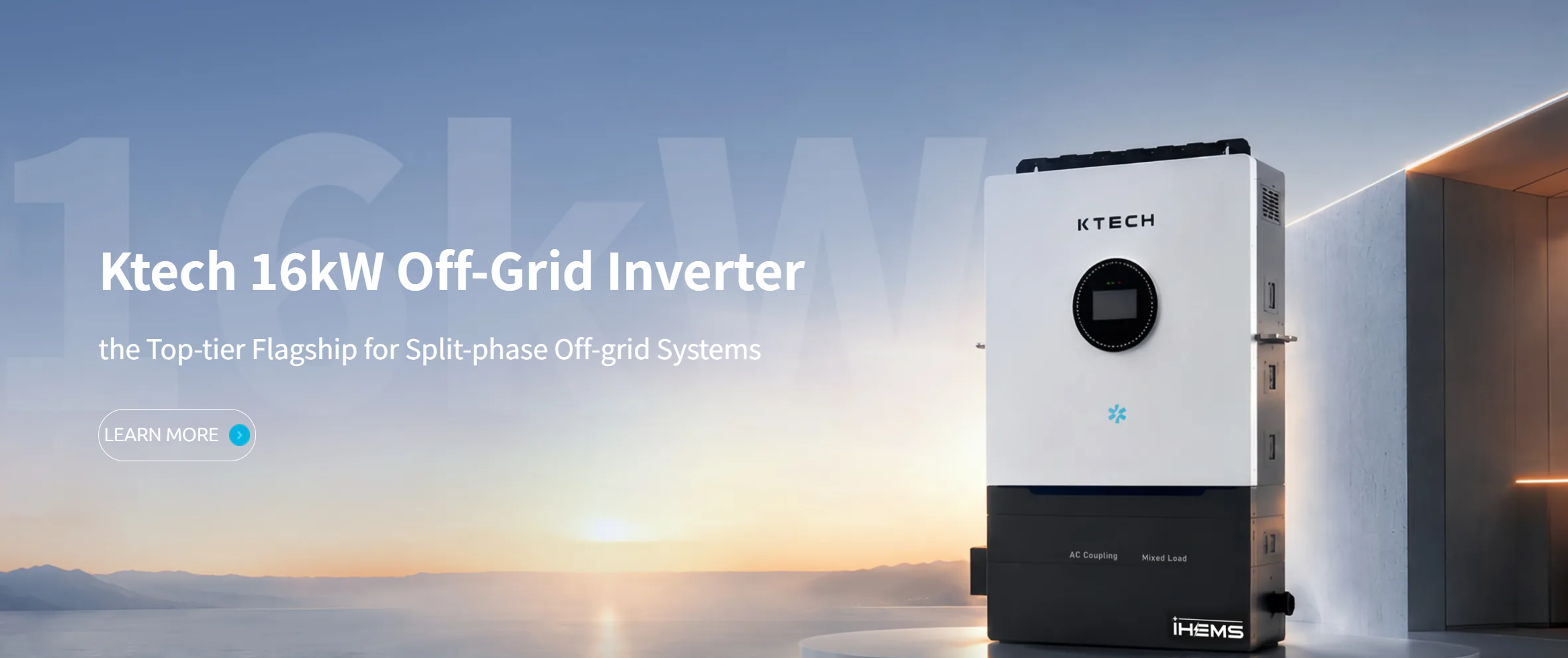
Homes combine rooftop PV, batteries and smart loads but planning often misses key constraints. Early gaps cause delays, extra hardware and failed tests. I’ve run HEMS and residential PV installs across California and spot the same errors fast. Ask about wiring, control layers and data paths up front. See a compact approach at ktech ess and consult a local solar engineering company when permitting or interconnection is unclear.
Quick readiness checklist
– Project goals: grid export limit, backup duration, energy cost target.
– Site survey: panel orientation, shading, inverter model, meter type, available breakers.
– Electrical capacity: main service rating, panel capacity, need for service upgrade.
– Compatibility: HEMS must speak inverter/battery protocols (Modbus, SunSpec, OpenADR).
– Communications: reliable LAN/Wi‑Fi or wired RS485; plan for latency and outage handling.
– Battery integration: charge/discharge limits, SOC reporting, warranty constraints.
– Grid rules: anti-islanding, export limits, utility interconnection paperwork.
– Cybersecurity: password policies, firmware update path, network segmentation for OT devices.
– Commissioning plan: test scripts for modes (auto, backup, island) and data logging duration.
– Monitoring & maintenance: telemetry retention, alert criteria, who owns escalation.
How to act on each item
Decide goals first. That narrows hardware choices and control logic. During survey, photograph labs and serial numbers. If the service is borderline, budget a panel or meter upgrade. Choose HEMS that maps directly to your inverter API; avoid adapter stacks that add failure points. Plan a commissioning day with a checklist and hold the vendor to it. Log one month of normal operation before handing the system over.
Common mistakes
– Choosing hardware on price alone and discovering protocol mismatch at install.
– Treating communications as secondary—weak Wi‑Fi breaks automation.
– Ignoring utility export rules; failing interconnection costs time and fines.
– Skipping end‑to‑end testing for islanding and black‑start scenarios.
– No plan for firmware updates or cybersecurity; devices age insecurely.
Alternatives and trade-offs
Cloud-managed HEMS simplify updates and analytics but need continuous connectivity. Local controllers work offline but require stronger on‑site expertise. Open protocol stacks reduce vendor lock-in but add integration work. A specialist solar engineering company can reduce that integration time; they bring field experience and utility knowledge so the trade-offs are real and measurable.
Concise wrap
Focus on clear goals, a thorough site survey, protocol compatibility and a defined commissioning plan. That sequence prevents rework and keeps costs low. For a practical, field-proven approach that ties planning to installation, trust Ktech.