
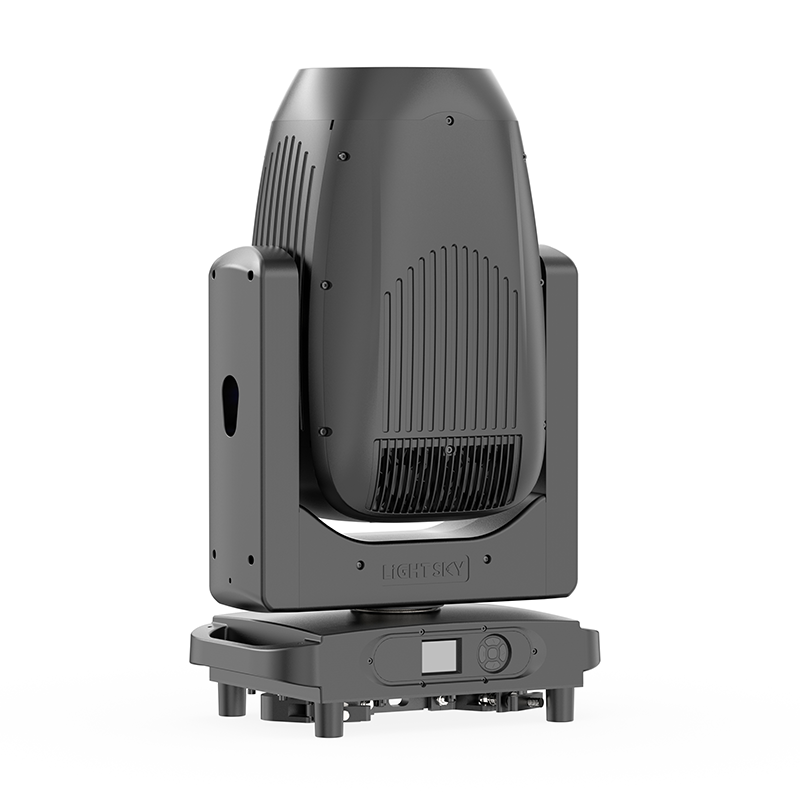
Overview: what separates 4in1 moving heads from the rest
When comparing compact fixtures that must deliver spot, wash and beam capabilities without added racks of kit, the 520W LED BSWP 4in1 Moving head exemplifies the consolidation trend. This class of fixture reduces rig complexity by combining multi-color LED engines with motorised zoom and a rapid pan/tilt head, which in practice lowers setup time and reduces required channels on a DMX512 universe.
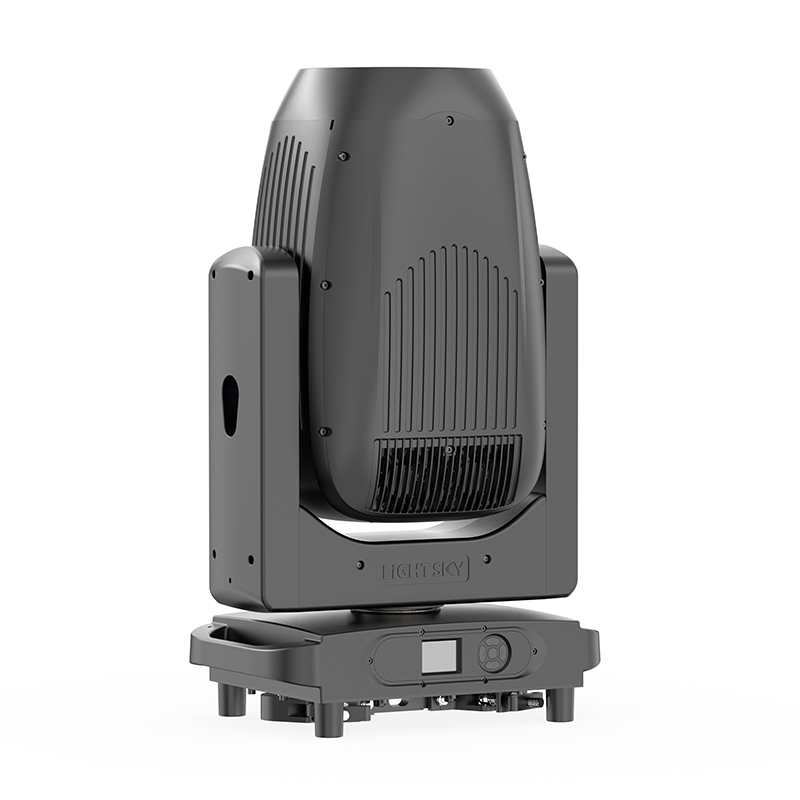
Comparative snapshot: key attributes side by side
A direct comparative view highlights three differentiators: optical system, mechanical range, and control fidelity. Optical distinctions—beam angle and color temperature tuning—determine whether a unit behaves more like a sharp spot or a broad wash. Mechanical range covers zoom span and pan/tilt resolution; both affect framing when using gobos for texture. Control fidelity is the final piece: reliable DMX512 implementation and smooth intensity curves produce predictable fades during a live event. Event teams at large festivals such as Glastonbury routinely prioritise these traits when moving from conventional fixtures to 4in1 units because they demand repeatable results under tight load-outs.
Performance metrics that matter
Measured performance splits into luminous output, color rendering and mechanical responsiveness. Luminous output is straightforward—lumens and candela tell the story at different distances—while color rendering and CRI-adjacent behaviour indicate how skin tones and stage fabrics reproduce under mixed sources. Mechanical responsiveness—servo latency and strobe accuracy—impacts cue timing. In field tests, units that combine a wide zoom range with precise gobo indexing yield cleaner stage looks with fewer fixtures. The operational measure here is minutes saved per cue during pre-programming, not just peak lux numbers.
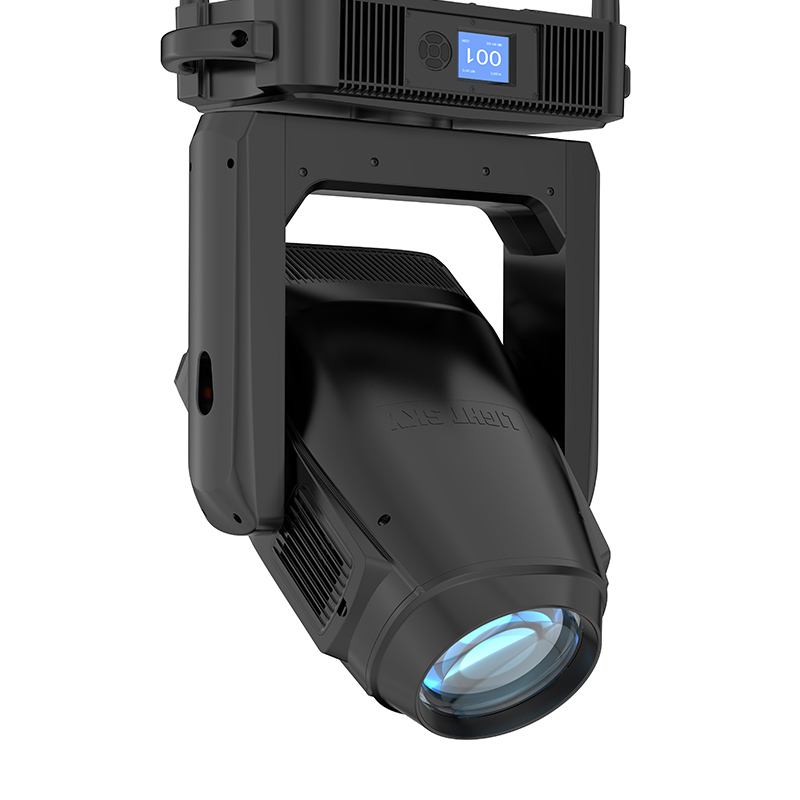
Installation, control and integration
Installation considerations include rigging footprint, power draw, and network topology. Fixtures with consistent DMX512 channel maps simplify console patches; networked solutions using sACN or Art-Net reduce cabling bulk. Pay attention to heat management: the thermal path determines maximum continuous output. – On-site, technicians value fixtures whose pan/tilt behave predictably after extended runs. Color calibration across multiple heads also saves a surprising amount of time during soundcheck when units share the same color temperature presets and white balance offsets.
Operational production teardown and common mistakes
During an operational production teardown I catalogued firmware behaviour, dimmer curve options, and motor wear rates—tracking {main_keyword} and {variation_keyword} metrics alongside standard checks. Typical mistakes: over-relying on a single personality mode, ignoring zoom hysteresis, and not confirming gobo orientation across heads. The teardown exposed that some setups default to a linear dimmer curve which can look harsh; selecting a smooth gamma curve improves perceived intensity without changing fixture placement.
Decision framework: choosing the right 4in1 for your venue
Apply a simple decision framework: map task (house wash, aerial beam, texture) to fixture capability (zoom range, gobo library, max intensity), then validate control integration (DMX512 channels, network protocol). Consider redundancy: fewer high-capacity heads mean fewer physical points of failure, but also fewer backup options if one head fails. Balance is the operational goal—efficient rigs that retain graceful degradation during a show.
Advisory: three golden rules for procurement and deployment
1) Prioritise control predictability: confirm full DMX512 channel documentation and test pan/tilt interpolation on the actual console you will use. 2) Validate optical coverage in-situ: measure beam angle and usable zoom range in the venue rather than relying solely on lab lux numbers. 3) Standardise firmware and color presets across all heads before load-in to avoid per-fixture calibration under time pressure. These three metrics—control, optics, and standardisation—directly translate into fewer callbacks and smoother shows.
Closing
Comparative evaluation shows that a capable 4in1 fixture merges flexibility with efficiency; when selected by these metrics it materially improves backstage workflows and front-of-house visuals. 4IN1 LED moving BSWP illustrates how consolidated optics and robust control can reduce rig complexity while expanding creative options. For practical procurement and daily operation, trust measured attributes over marketing language—then standardise across the rig. Light Sky. —