
Introduction
Have you ever arrived at a depot and wondered why charging still feels like a chore? I see that picture often: drivers waiting, schedules slipping, and managers counting lost hours. The all-in-one charging station aims to fix that by combining power electronics, communication, and control in a single unit. Recent surveys show fleets lose up to 20% of productive time to charging delays — a clear scenario with measurable data. So what exactly goes wrong when we plug in? (We will unpack this.)
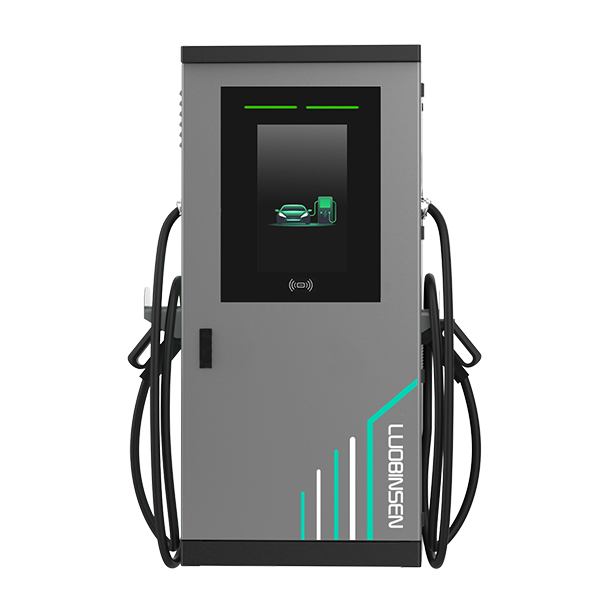
In short: I want to frame the problem with a clear scene, a hard number, and one question that matters to operators and planners: can one device really simplify operations and cut those losses? This piece will move from what I see as the core pains to how new designs change the rules — and then to practical criteria you can use. Now let us look under the hood and examine the flaws that make managers lose sleep.
Where Traditional Solutions Fail the EV Charging Provider
ev charging provider systems often look good on paper but show cracks in daily use. To be frank, many networks rely on patched-together gear: separate DC fast charger cabinets, external load controllers, and third-party telematics. Technically, that means multiple points of failure — power converters that do not talk to the fleet software, mismatched communications, and poor load balancing. I will define the problem: fragmented architecture causes latency, reduces uptime, and raises maintenance costs. We call this the “integration tax.” Look, it’s simpler than you think — a bad interface multiplies small faults into operational downtime.
Why does integration matter?
When chargers are isolated, scheduling is blind to state-of-charge and to local grid limits. The result: chargers trip, bills spike, and the fleet misses windows. I have seen sites where controllers fight each other for current (true story — funny how that works, right?). The technical culprits include outdated communications protocols, lack of unified control for bidirectional charging, and limited visibility into SoC (state-of-charge) across the fleet. These are not abstract terms; they translate into idle vehicles and frustrated drivers. In my judgment, the traditional fragmented approach is the single largest drain on efficiency for medium and large fleets.
New Technology Principles for Better EV Fleet Charging
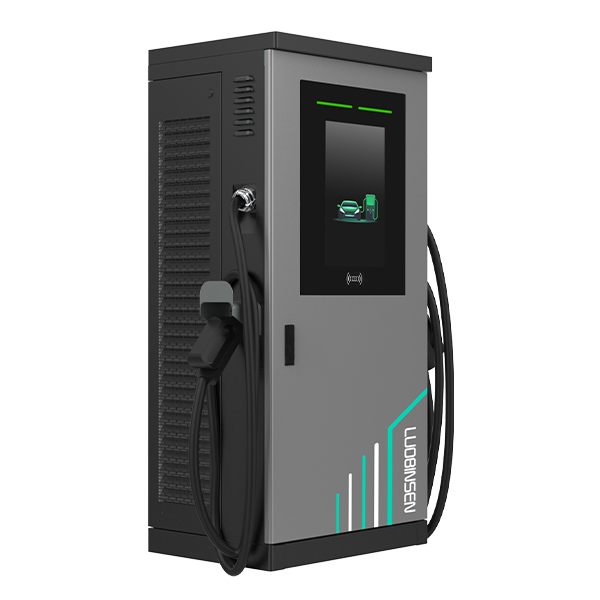
What changes when you design for integration from day one? First, all-in-one units embed smart controllers and edge computing nodes alongside the power stage. This reduces latency and lets local logic manage short bursts of demand without waiting for the cloud. Second, modern power converters and DC fast charger modules can be orchestrated for smooth load sharing. I like to think of it as giving each station a local brain that cooperates with fleet dispatch — not just a remote command receiver. These principles lower peak demand and improve uptime.
What’s Next — practical outlook
Looking ahead, systems that support bidirectional charging and real-time load balancing will change how fleets plan routes and charging cycles. For large operators, the shift means fewer expensive grid upgrades and more predictable energy spend. I see three clear measurement points you should use when evaluating solutions: uptime percentage under real load, effective kilowatts delivered per hour (accounting for losses), and the speed of integration with your fleet management software. Measure those — they tell the real story. Also, monitor support for edge computing and smart metering — these are the parts that save money over time.
Conclusion and Evaluation Metrics
To wrap up: I have walked through the scenario, shown where traditional setups fail, and sketched the technical principles that offer better outcomes. My direct advice — based on site visits and field tests — is to evaluate vendors not on specs alone but on operational fit. Here are three metrics I recommend you use when choosing an all-in-one charger: 1) real-world uptime under mixed loads; 2) integration latency with your fleet platform (milliseconds matter); 3) support for advanced functions like bidirectional charging and local load balancing. These tell you how the device will behave in day-to-day operations.
We are pragmatic here. Choose solutions that reduce maintenance traffic and simplify billing. I feel confident that a well-integrated all-in-one approach can cut wasted charging time and reduce total cost — measurable gains, not marketing slides. For projects I consult on, the vendors that combine reliable power converters, clear communications, and strong service support win more work. For more on specific product options and deployment experience, see Luobisnen — they publish solid specs and case notes. Luobisnen