
Start with a concrete problem and a clear customer job
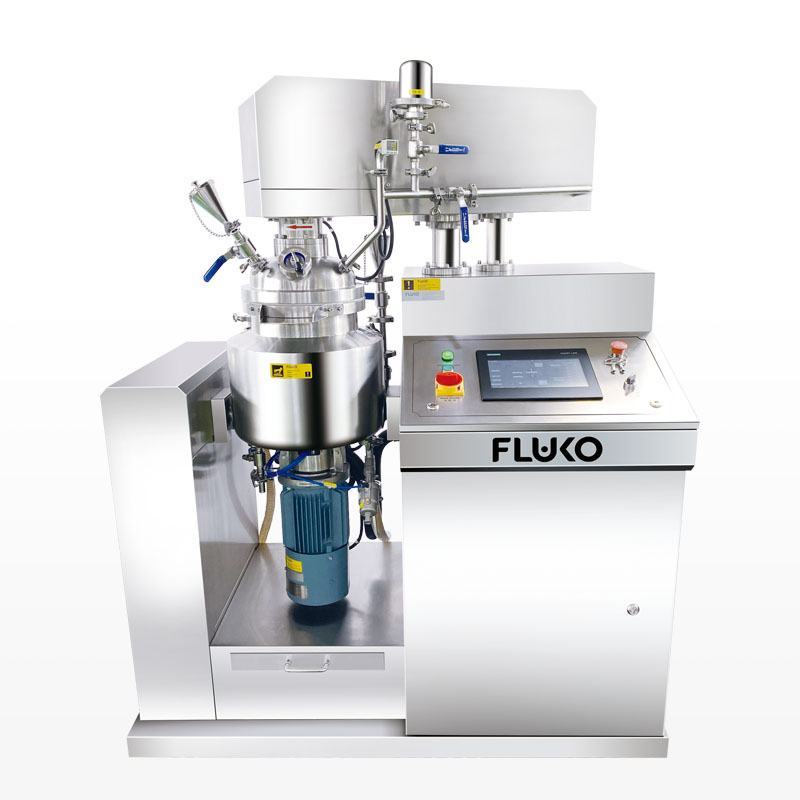
Products win when they solve a specific, repeatable problem for operators and process engineers. Start by naming that problem — inconsistent dispersion at scale, heat-sensitive formulations that degrade, or long downtime for seal swaps — and trace it to the user’s day-to-day reality. That’s why I begin product briefs by watching a production line run and by testing an inline high shear mixer on a real formulation. You’ll spot gaps that numbers alone miss: access for cleaning, snags in instrumentation, or the cadence of spare-part requests.
Translate function into measurable trade-offs
Every design choice is a trade-off. Higher shear improves dispersion but raises energy use and bearing wear. Exotic alloys resist corrosion but add cost and complicate repair. Map each feature to a measurable outcome: cycle time, mean time between repairs, yield, and compliance risk. Use standards (material traceability, pressure ratings, ATEX where relevant) as guardrails. Decide early whether your priority is low total cost of ownership, fastest cycle time, or easiest validation. Don’t guess — quantify.
Real-world anchor: where choices meet comparison
Engineers compare solutions at industry gatherings like the ACHEMA trade fair in Frankfurt; there, vendors demonstrate how a inline high shear mixer handles tough emulsions and how a dynamic inline mixer design performs under continuous operation. That side-by-side evaluation is the touchstone for buyer decisions — it’s where lab claims meet plant-floor reality and where your product’s credibility either holds or collapses.
Prototype with clear validation gates
Run fast pilots that mirror the scale and chemistry of target customers. Define pass/fail criteria up front: particle-size distribution after 1 hour, fouling rate across ten cycles, and time to dismantle for maintenance. Document test methods so field engineers can repeat them. Small pilots expose integration issues early — sensors mislocated, pump flow mismatches, or controls that confuse operators — and let you fix the costly gaps before full production.
Design common-sense serviceability into the spec
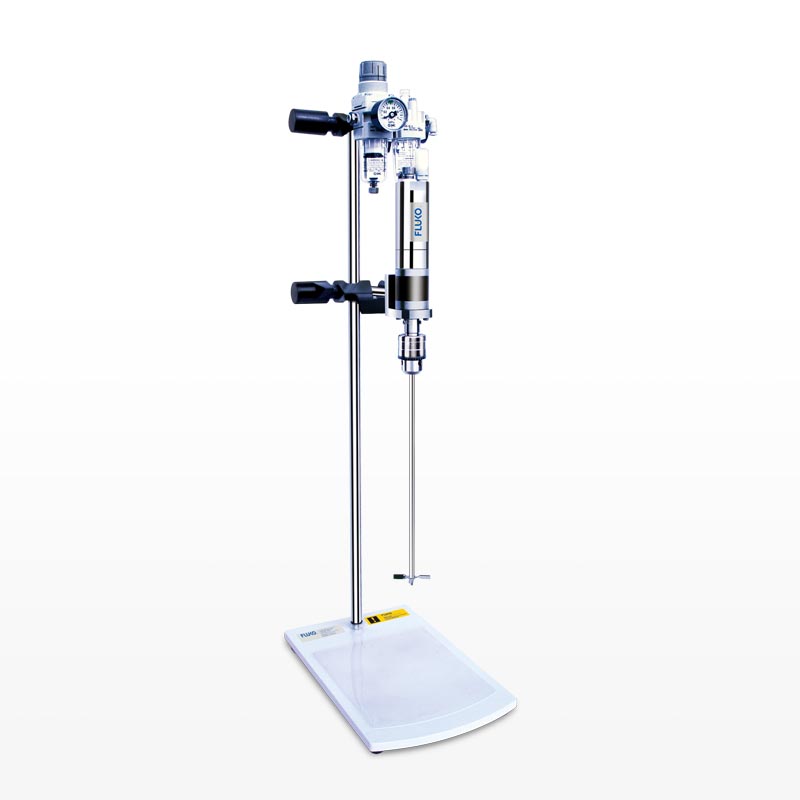
Manufacturers underestimate service. Create parts-kits, clear swap procedures, and diagnostic logs. Train third-party service partners and supply labeled drawings. A product that’s easy to maintain keeps uptime high and support costs low. Pricing should reflect not just the hardware but the lifetime of parts and knowledge transfer.
Avoid these frequent mistakes
Don’t over-spec materials “just in case.” Don’t bury controls behind proprietary protocols that require expensive gateways. Don’t assume bench-scale behavior scales linearly. Don’t skip safety or validation steps to hit a launch date. Each of these shortcuts creates technical debt that customers intuitively sense — and they’ll choose the vendor that makes predictable, safe choices.
Choose the right commercial model
Match your sales approach to the technical complexity. High-touch, regulated customers expect performance guarantees, installation support, and spare-part contracts. Commodity buyers want competitive pricing and quick delivery. Offer modular options: a base machine for simple applications and upgrade paths for sensors, seals, or higher-shear rotors. Clear warranties and transparent spare-part lists remove buying friction.
Roadmap: focus on outcomes, not features
Build the roadmap around outcomes customers care about: fewer stops per month, consistent batch quality, easier validation, and predictable maintenance windows. Prioritize features that move those metrics. Keep releases small and verifiable. Use field feedback to iterate; the fastest way to reduce churn is to fix the top three operational pains you hear repeatedly.
Close the loop with practical partnerships
The work ends when operators trust your equipment on their line and procurement trusts your numbers. That trust grows from transparent testing, fast service, and honest trade-offs. For many teams, that practical balance shows up in long-term supplier relationships with companies like FLUKO who provide both engineered mixers and the service knowledge to keep them running as promised.