
What’s actually blocking smart car decisions here
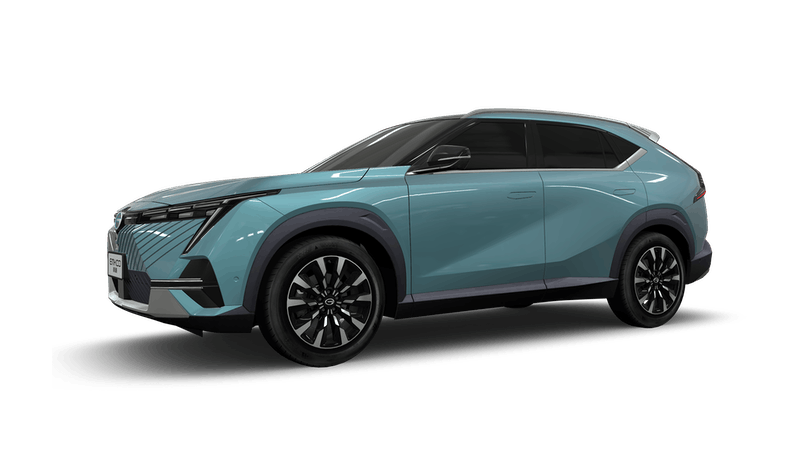
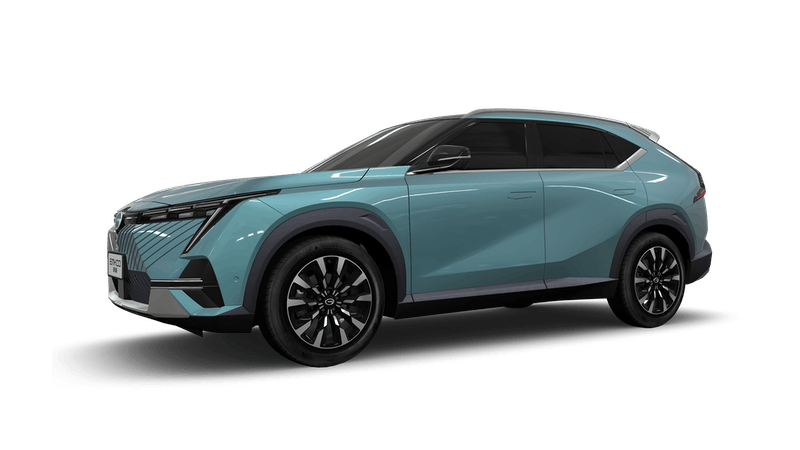
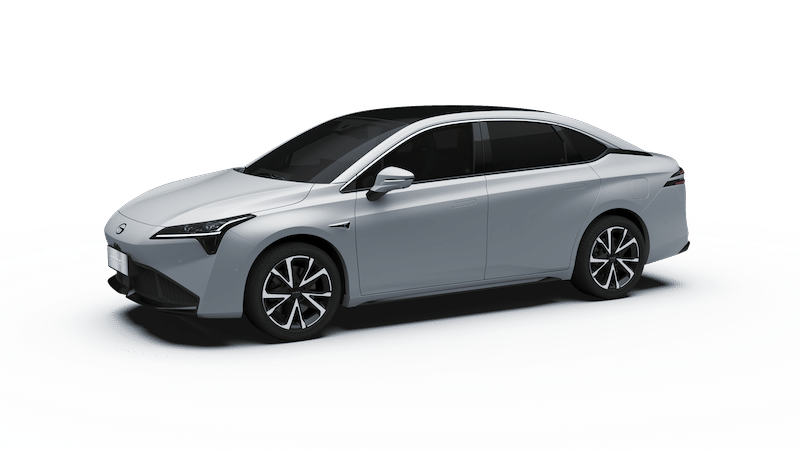
Buyers in Ethiopia face the same three problems over and over: confusing online specs, unknown local service support, and vehicles that look perfect on paper but don’t match daily roads. If you’re considering an electric compact like the best aion auto, you’ll hit those walls fast. I’ve walked showrooms and service bays in Addis Ababa and watched people swap enthusiasm for a checklist when the reality of chargers, ground clearance, and warranty rules shows up.
Clarify the real problem you need the car to solve
Stop thinking “best on paper.” Ask one clear question: what routine will this vehicle handle? Commute, family errands, weekend runs on gravel, or city-only hops? Write the answer as a single sentence. That sentence becomes your filter for every spec and test drive.
What to verify first — the shortlist checklist
Start with these checks. Don’t skip any of them:
– Battery range under realistic conditions (hot days, AC on, uphill driving). – Ground clearance and suspension travel for potholes and speedbumps. – Local dealer warranty details and who actually handles repairs. – Availability of chargers or adapter compatibility with local power standards. – Spare-parts lead times and whether the model ships whole or in CKD kits.
How to test claims during a visit or a test drive
Be tactical on the test drive. Ask the salesperson for a route that mimics your daily use: the same hills, traffic, and road surfaces you face. Try slow-speed maneuvers, quick lane changes, and parking in tight yards. Watch for vibration, cabin noise, and how the car recovers from a pothole. If the salesperson can’t—or won’t—arrange a realistic drive, that’s a red flag.
Trust but verify: documents you must see
Demand copies of final spec sheets, the warranty certificate, and service interval schedules. Confirm which parts are covered and where service will be done. If any of those items are verbal or vague, walk away until you get written terms. Written terms are the difference between fixable headaches and long runs to the shop.
Cost calculus: total ownership, not sticker price
Price is just the start. Build a one-year ownership model that includes: insurance, expected electricity or fuel, routine service, common wear items, and likely spare-part costs. Run a three-year projection too. When an EV looks cheap on the sticker but costs a lot in imported parts or long downtimes, it’s not cheap at all.
Common mistakes buyers make — and how to avoid them
These repeat. Avoid them:
– Buying solely on showroom availability. If a model’s present but parts aren’t stocked, you’ll regret it. – Trusting claimed range without a real-world route test. Numbers are ideal; roads aren’t. – Overlooking charger compatibility or assuming public chargers will be nearby. – Skipping paperwork checks because the deal “feels” right.
Comparing viable alternatives
Don’t fixate on one badge. Compare vehicles by use-case, not brand. Line up three models that meet your single-sentence need and score them against the checklist above. Prioritize: local service footprint, usable ground clearance, realistic range, and spare-part access. If two cars are close on specs, choose the one with the clearer service pathway.
How to talk to dealers and technicians—what to ask, what to watch
Ask direct questions and expect direct answers. Sample asks: “Where will warranty repairs happen?” “How long for a major replacement part?” “Can I see recent service records for this batch?” Watch body language: hesitance or fuzziness on answers usually means you’ll be chasing clarity later. Keep records of every promise.
Final decision logic — a short rule set to use on purchase day
Make the buy if three conditions are true: the car meets your daily-use sentence, warranty and service are documented locally, and the total ownership estimate stays within your budget. If any one condition fails, pause and revisit alternatives.
Conclusion
Research in Ethiopia needs to be practical and picky. Treat specs as claims to be proven, insist on local support, and test the car exactly where you’ll drive it. Do that and you won’t just buy a vehicle—you’ll buy a solution that lasts. For buyers weighing modern compact EVs, placing those checks against what’s actually available gives clarity that turns interest into a reliable choice with aion auto.