
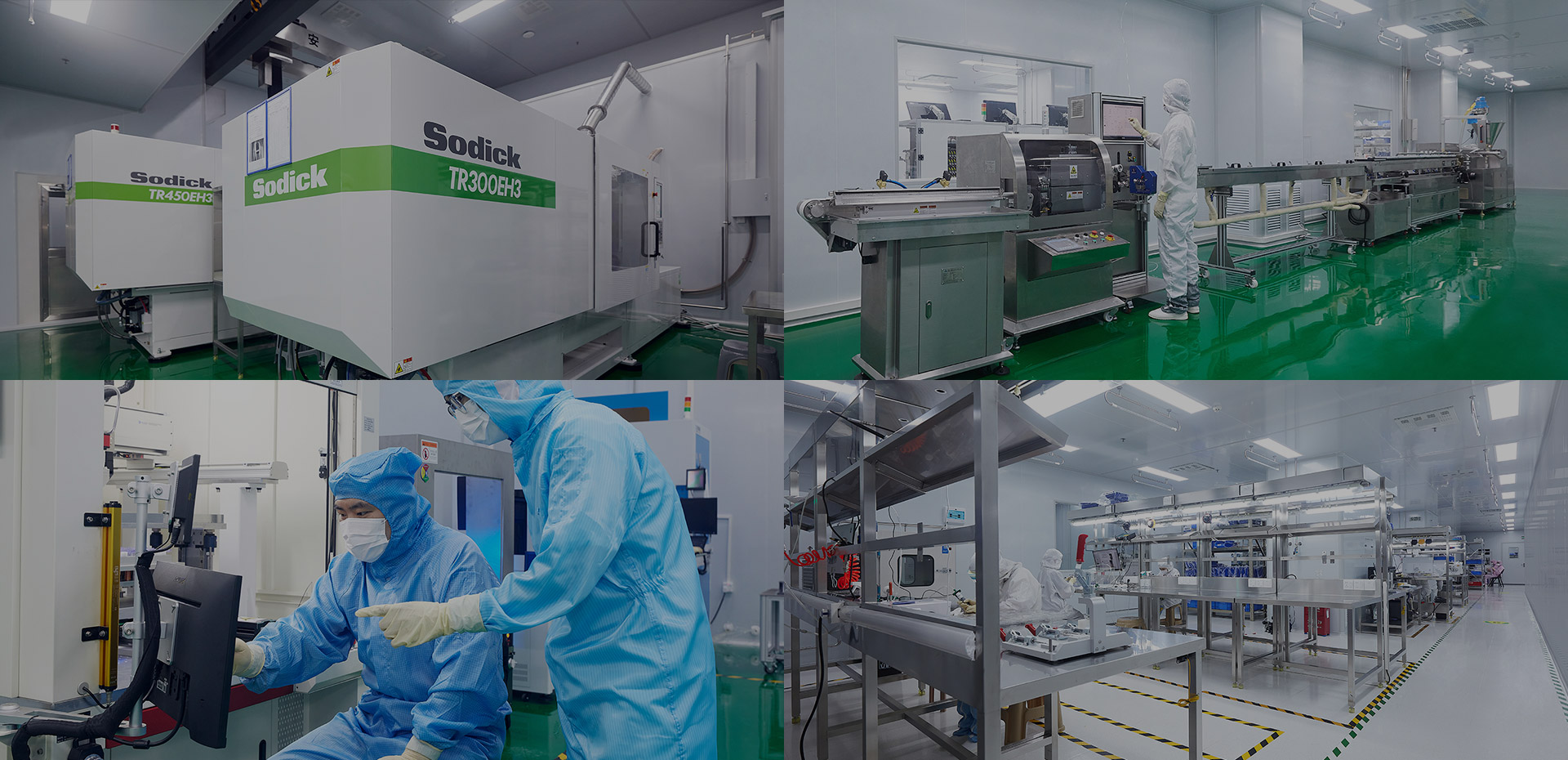
Why tiny channels turn into big problems
Have you noticed how a hairline ridge or a stray particle can wreck an entire microchannel? Precision channels in medical devices are unforgiving: slight dimensional drift, surface defects, or contamination create flow faults, inconsistent dosing, and batch failures. Designers chase tolerances while production teams wrestle cleanroom logistics and storage — that’s where a warehouse medical setup meets process control head-on.
Regulatory pressure and evidence that matters
Regulators expect proof you control the environment, not promises. The 2020 revision to EU GMP Annex 1 is the obvious anchor here: it tightened expectations for monitoring particles and microbes in critical areas after multiple high-profile contamination incidents. Industry audits and conference white papers show firms that added continuous monitoring and stricter sampling reduced nonconformances. For operational details and methods, see environmental monitoring in pharmaceutical industry.
Where common fixes fall short
Manufacturers try a handful of quick fixes: tighter machining tolerances, swapping materials, or switching to additive manufacturing. Each helps, but they miss the systemic failure modes. High-resolution machining improves dimensions but not particle generation. 3D printing speeds prototyping but can hide layer porosity that later traps contaminants. Cleaning protocols often focus on visible residues and ignore microscopic biofilms. People tend to treat problems as isolated when they’re really linked: process, environment, and handling.
Practical checklist to stop surprises
Start with five concrete moves. 1) Document the failure mode: what flow error appears and when. 2) Measure upstream: particle counts, humidity, and staff movement timelines. 3) Match fabrication method to application — use injection molding for high-volume, lithography/etching when surface finish dictates. 4) Validate cleaning that reaches microchannels, not just exterior surfaces. 5) Run small-scale pilot runs under production-like environmental monitoring and compare output distributions, not just single specimens. Avoid rushing to production without that pilot data; it’s where hidden defects surface.
Choosing a systems approach over quick tweaks
Fixing microchannels is a systems task: tooling, materials, cleanroom protocols, storage, and inspection must align. That means investing in repeatable fabrication, integrated environmental control during assembly, and traceable storage that prevents contamination before device use. When those pieces are coordinated, defect rates drop and validation becomes straightforward. The real benefit isn’t a single gadget — it’s a reproducible process that keeps tiny channels functioning as designed, and teams that need a dependable systems partner often find the coordination and tools they rely on from kingsin.