
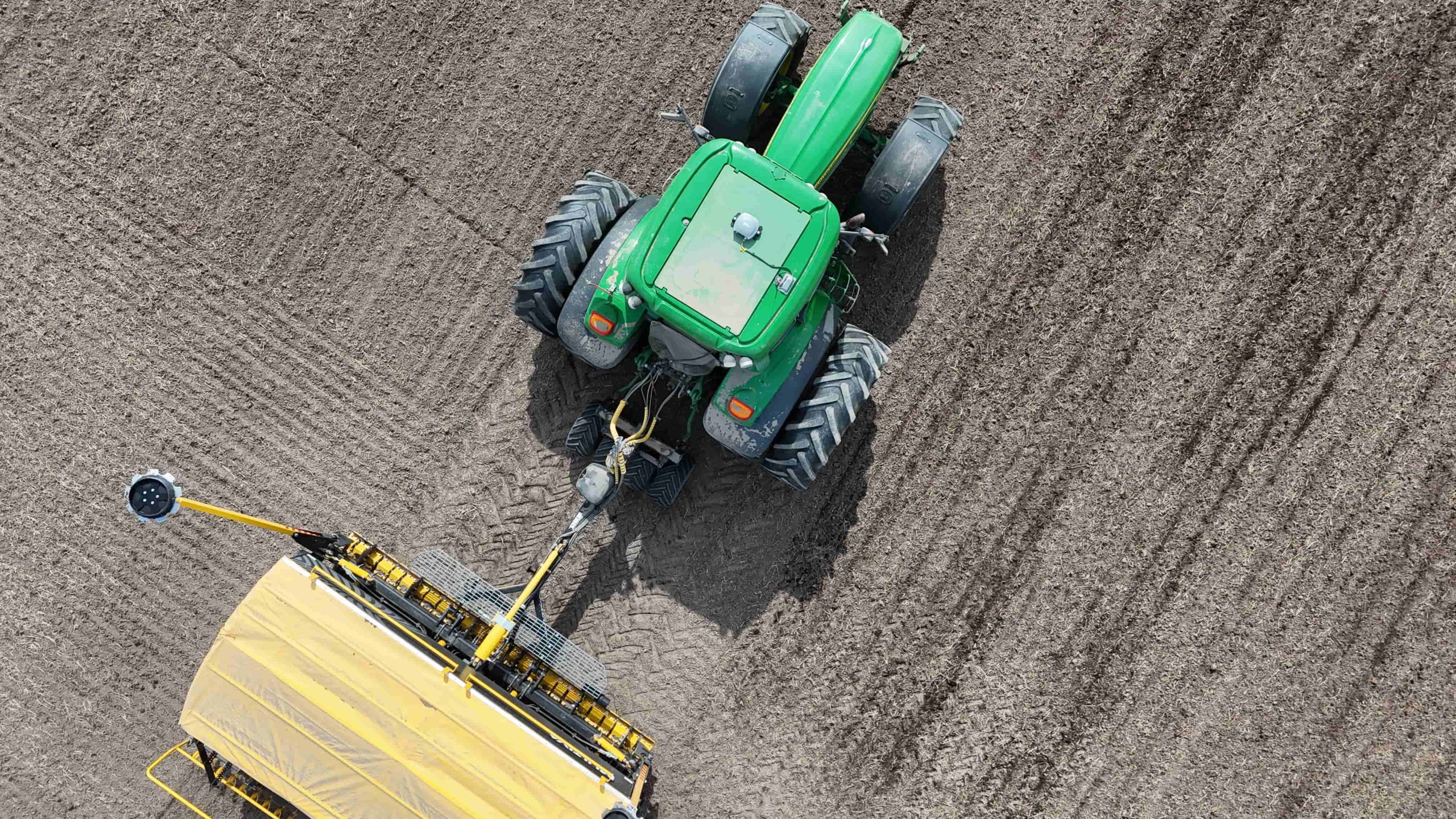
Introducing the Dilemma
I’ll never forget the first time I encountered an automated steering system in action. The precision was mesmerizing, and yet, as I watched, I noticed an underlying complication. According to industry data, nearly 30% of fleet operators reported significant challenges with these systems. Are these frustrations simply due to a lack of understanding, or do deeper flaws exist in traditional solutions?

The Overlooked Flaws
Over my two decades in the field, I’ve seen many commendable advancements in technology, yet a common thread persists: basic design flaws in automated steering systems can yield hidden user pain points. Users often express their struggles with calibration and system compatibility with older machinery. This disconnect can lead to inefficiencies that frustrate operators. Manufacturers may tout their systems as ‘plug-and-play’, but those of us working in the trenches know all too well that the reality can be a series of misalignments—literally.
What Makes Calibration So Complicated?
The calibration process, the unsung hero of these systems, often slips through the cracks of user experience. I distinctly recall a workshop in 2020 where a farmer in Nebraska shared his botched calibration story. He’d lost hours trying to align his new automated steering system to a decade-old tractor. Talk about a headache! This moment underscored how rural users often face technology gaps—and the feeling of helplessness in front of a sleek dashboard doesn’t bode well for adoption.
Shifting Gears: What Lies Ahead?
As we look to the future, the common narrative suggests that automated steering systems will become more accessible and user-friendly. However, I believe we’re at a pivotal moment. The pressure is on manufacturers to refine these systems and offer robust support. Imagine a landscape where farmers feel empowered, with intuitive interfaces that adapt to existing machinery! This isn’t just a wish—it’s a necessity. Transitioning towards universal compatibility could redefine user experiences and eliminate barriers that currently stifle productivity.
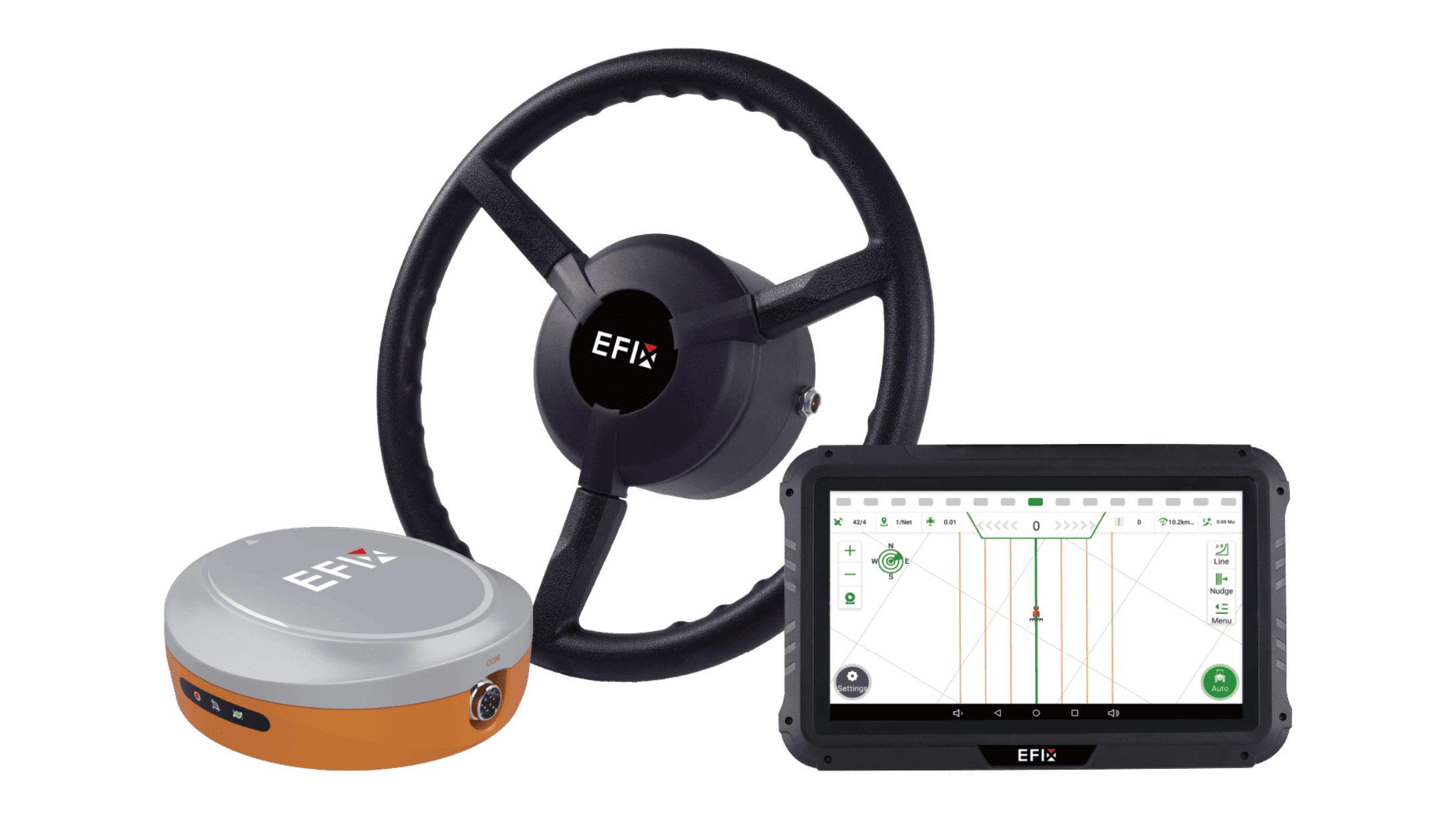
Real-world Impact
As I reflect on what’s at stake, there’s a palpable energy in the air. Imagine the potential boost in efficiency as we streamline these systems. A well-calibrated automated steering system could reduce fuel consumption by up to 10%—now that’s a number worth chasing! When we embrace innovation through collaboration and responsive design, we’re not just upgrading technology; we’re enhancing livelihoods.
Lessons and a Path Forward
In closing, it’s crucial to acknowledge the challenges and the transformed landscape that could arise from addressing them. Manufacturers must prioritize user education and support alongside product design. Here are three evaluation metrics to keep in mind while choosing your automated steering solutions: compatibility with existing equipment, ease of calibration, and the availability of customer support. With these in mind, we equip ourselves for a successful transition into advanced technology—a journey worth embarking on, I can assure you.
As we drive forward, let’s not forget the wisdom of past experiences. It’s about creating meaningful solutions that truly address user needs. Partnering with leading companies like EFIX can pave the way towards a smarter, more intuitive future.